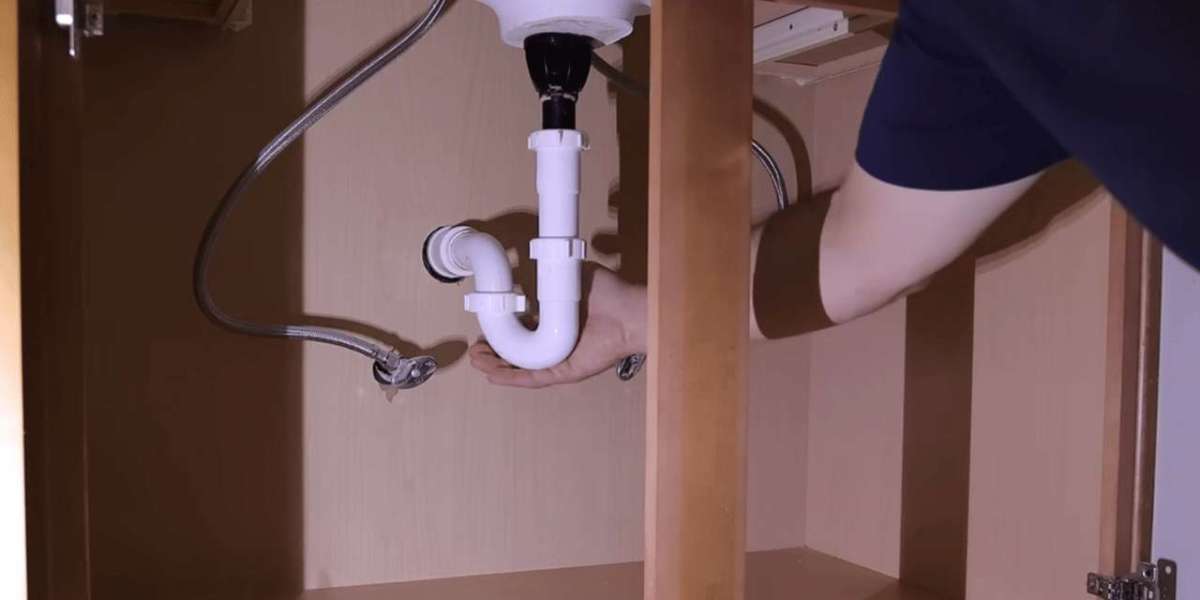

A strong sewage odor inside your home is more than just unpleasant. In some situations, prolonged exposure to sewer gases may affect your health and indoor air quality. Many homeowners experiencing a sewer smell in house problem wonder whether the odor could actually become dangerous over time.
While mild sewer odors are often more annoying than harmful, ongoing exposure to concentrated sewer gases should never be ignored. Understanding the first signs of sewer gas exposure can help you recognize potential problems early and take action before the issue becomes more serious.
In this guide, we’ll explain what sewer gas is, the early symptoms of sewer gas poisoning, common causes of sewer gas leaks, and what homeowners should do if they notice strong sewage odors indoors.
What Is Sewer Gas?
Sewer gas is a mixture of gases produced when waste breaks down inside sewer systems and drain pipes. These gases naturally form in plumbing systems and are normally vented safely outside through plumbing vent pipes.
Common gases found in sewer systems include:
- Hydrogen sulfide
- Methane
- Ammonia
- Carbon dioxide
Hydrogen sulfide is the gas responsible for the classic rotten egg smell most people associate with sewage odors.
In properly functioning plumbing systems, sewer gases should never enter the living areas of your home. If they do, there may be a plumbing or sewer line problem that needs attention.
What Causes Sewer Gas to Enter a House?
Several plumbing issues can allow sewer gas to leak indoors.
Common Causes Include
- Dry drain traps
- Broken sewer lines
- Cracked pipes
- Blocked plumbing vents
- Damaged toilet seals
- Sewer backups
- Loose pipe connections
Even a small plumbing leak can sometimes allow sewer gases to slowly build up inside enclosed areas.
What Are the First Signs of Sewer Gas Exposure?
The earliest symptoms of sewer gas exposure are usually mild and may resemble common illnesses or indoor air quality problems.
Common Early Symptoms Include
- Headaches
- Dizziness
- Nausea
- Fatigue
- Eye irritation
- Throat irritation
- Coughing
- Difficulty concentrating
These symptoms often improve once the person leaves the affected area and gets fresh air.
Why Sewer Gas Symptoms Happen
The symptoms are mainly linked to hydrogen sulfide and poor indoor air quality caused by sewer gas buildup.
Hydrogen sulfide has a very strong smell even in small amounts. In higher concentrations, it may irritate the respiratory system and affect the nervous system.
Methane itself is odorless but can reduce oxygen levels in enclosed spaces if allowed to build up significantly.
Can Sewer Gas Make You Sick?
In small amounts, sewer odors are usually more unpleasant than dangerous. However, long-term or concentrated exposure to sewer gas may cause health symptoms, especially in poorly ventilated areas.
Children, elderly individuals, and people with respiratory conditions may be more sensitive to sewer gas exposure.
Possible Health Effects
- Persistent headaches
- Breathing discomfort
- Sinus irritation
- Sleep problems
- Nausea
- Fatigue
Severe exposure to extremely high concentrations is rare in residential homes but can become dangerous in confined or poorly ventilated spaces.
What Does Sewer Gas Smell Like?
Most homeowners describe sewer gas odors as:
- Rotten eggs
- Sulfur
- Dirty water
- Moldy sewage
- Decaying waste
The smell may become stronger:
- Near drains
- In basements
- Around toilets
- During rainy weather
- After running water
- In poorly ventilated rooms
Persistent sewer smell in house situations should always be investigated because the odor usually indicates a plumbing issue somewhere in the system.
Common Signs You May Have a Sewer Gas Leak
Besides health symptoms, sewer gas leaks often create noticeable plumbing problems.
Plumbing Warning Signs
- Slow drains
- Gurgling toilets
- Bubbling sinks
- Recurring drain odors
- Sewer smell after rain
- Water backups
- Wet yard spots
- Mold or mildew growth
These signs often point to hidden sewer line damage or venting problems.
Areas Where Sewer Gas Problems Commonly Start
Some areas of the home are more likely to develop sewer gas leaks.
Bathrooms
Bathrooms contain multiple drains and toilets connected directly to the sewer system.
Basements
Basement floor drains often dry out or develop odor problems because they are used less frequently.
Laundry Rooms
Unused laundry drains may lose their water seal over time.
Crawl Spaces
Damaged sewer pipes under the house can leak gases into crawl spaces and eventually into the home.
Can Sewer Gas Be Dangerous Long-Term?
Ongoing sewer gas exposure should not be ignored.
Long-term plumbing leaks may lead to:
- Chronic indoor odors
- Poor air quality
- Mold growth
- Moisture damage
- Structural problems
Methane gas is also flammable in large concentrations, although this is less common in residential situations.
The longer sewer gas problems continue, the greater the risk of larger plumbing damage.
How to Reduce Sewer Gas Exposure
If you notice strong sewer odors indoors, there are several immediate steps you can take.
Improve Ventilation
Fresh airflow helps reduce sewer gas buildup.
Helpful Steps
- Open windows
- Use exhaust fans
- Run ceiling fans
- Improve basement ventilation
Run Water in Unused Drains
Dry drain traps are one of the most common causes of sewer gas odors.
Running water into unused drains restores the water barrier that blocks gases from entering the home.
Avoid Ignoring Persistent Odors
Temporary odor sprays or candles may mask the smell but won’t fix the underlying plumbing issue.
If sewer odors keep returning, professional inspection is usually necessary.
Schedule a Sewer Inspection
Recurring sewer odors often point to hidden sewer line or venting problems.
Sewer camera inspections can identify:
- Pipe cracks
- Blockages
- Root intrusion
- Corrosion
- Sewer leaks
Finding the source early can help prevent larger repairs later.
When Should You Seek Professional Help?
You should contact a plumbing professional if:
- Sewer odors persist for several days
- Multiple drains smell bad
- You experience recurring headaches near certain areas
- Toilets bubble or gurgle
- Drains back up frequently
- You suspect sewer line damage
If health symptoms become severe or you suspect dangerous gas exposure, move to fresh air immediately and seek medical attention.
At NuFlow DFW, sewer camera inspections and trenchless sewer repair services help homeowners locate hidden sewer problems without unnecessary digging. Early sewer inspections can help improve indoor air quality and prevent major plumbing emergencies.
Final Thoughts
The first signs of sewer gas exposure are usually mild symptoms like headaches, dizziness, nausea, and throat irritation combined with noticeable sewage odors inside the home.
While occasional sewer smells may not always be dangerous, persistent sewer smell in house issues should never be ignored. Ongoing sewer gas exposure often points to hidden plumbing problems that can worsen over time.
Addressing sewer odors early can help protect your home, improve indoor comfort, and prevent larger plumbing repairs in the future.












