
Introduction
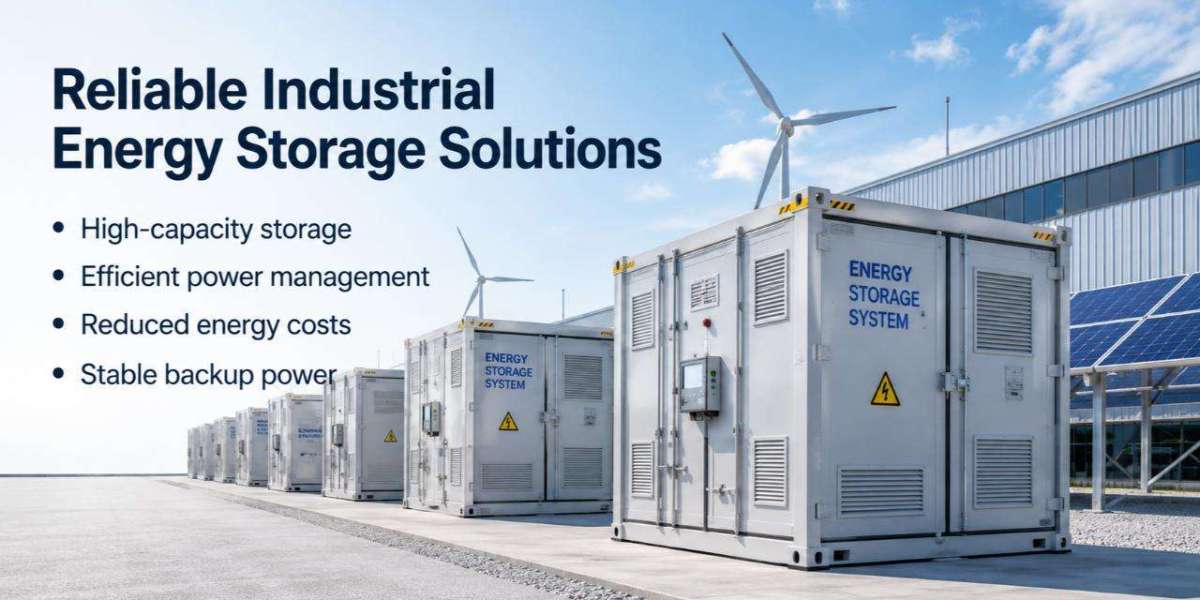
Have you ever wondered what happens when millions of people flip on their air conditioners at the exact same moment? Or what happens to all that beautiful solar energy when the sun goes down? Keeping our electrical grids balanced is a massive, second-by-second juggling act. For a long time, we relied on burning more fossil fuels whenever demand spiked. But today, a smarter, cleaner hero is stepping up to save the day: the Industrial Energy Storage System. Think of it as a giant, super-smart power bank for the entire city. This massive setup acts like a shock absorber for our electricity supply, catching extra energy when we have too much and pumping it back out when things get tight. By smoothing out these constant ups and downs, an Industrial Energy Storage System ensures that our lights stay on, our factories keep running, and our transition to green energy doesn't crash the system.
Key Features That Change the Game
To really understand how these massive setups work, it helps to look under the hood. They aren't just giant piles of AA batteries stacked in a warehouse. They are highly sophisticated, fast-acting networks designed to handle immense amounts of power.
The Battery Core: This is the muscle of the operation. Usually made of advanced lithium-ion or flow chemistry, these cells hold the actual electricity.
The Brain (BMS): The Battery Management System watches over every single cell. It makes sure nothing overheats, balances the charging, and keeps the whole system safe.
The Translator (PCS): The Power Conversion System changes the stored direct current (DC) into the alternating current (AC) that our home appliances and factories actually use.
How Industrial Energy Storage Systems Protect the Grid
So, how do these massive power banks actually keep our electricity stable? It all comes down to timing and balance. The grid is a bit like a bicycle tandem ride—if one person stops pedaling or pedals too fast, the whole bike wobbles. When a massive factory turns on heavy machinery, it sucks a huge amount of juice out of the grid instantly. If the grid can't match that sudden demand, the voltage drops, which can cause flickering lights or even damage electronics.
This is where large-scale battery storage steps in to save the day. It can detect a drop in grid frequency in milliseconds and inject power into the network almost instantly. Traditional power plants can take minutes or even hours to ramp up their production, but these modern systems react at lightning speed. By filling those sudden gaps, they prevent minor hiccups from turning into full-blown blackouts.
Cleaning Up Renewable Energy
We all love solar panels and wind turbines, but they have a bit of a personality flaw: they are unpredictable. The wind blows hardest at night when everyone is asleep, and the sun shines brightest at noon when people are at work. This creates a massive mismatch between when clean energy is made and when it is actually needed.
During peak sunny hours, solar farms often produce way more electricity than the grid can handle. Without a place to put it, that clean energy goes to waste. Grid-scale energy reservoirs solve this by soaking up all that excess green power during the day. Then, when everyone gets home, turns on their TVs, and starts cooking dinner, the system releases the stored clean energy. It essentially turns intermittent weather into a reliable, 24/7 source of electricity.
Saving Money and Stopping Peak Panic
Electricity costs change throughout the day based on supply and demand. During peak hours, electricity becomes incredibly expensive to produce because power companies have to fire up extra, often less-efficient plants just to keep up.
By using commercial power backup setups, smart businesses and grid operators can engage in what is called load shifting. They charge up the batteries at night when electricity is cheap and plentiful. Then, during the hottest part of the afternoon when power prices skyrocket, they switch over to their stored energy. This takes a massive amount of pressure off the public grid and saves enormous amounts of money on energy bills.
Conclusion
At the end of the day, our modern world completely relies on a steady, unbreakable stream of electricity. As we move away from old fossil fuels and embrace a cleaner, greener future, the challenges of keeping our power grids stable are only going to grow. The giant power banks we talked about are no longer just a luxury or an experiment—they are the vital bridge to a sustainable future. They balance the scales, rescue us from blackouts, and make sure renewable energy can actually do its job. Companies like Emecron are at the forefront of this movement, creating the reliable, forward-thinking technology needed to keep our communities powered up and moving forward safely.