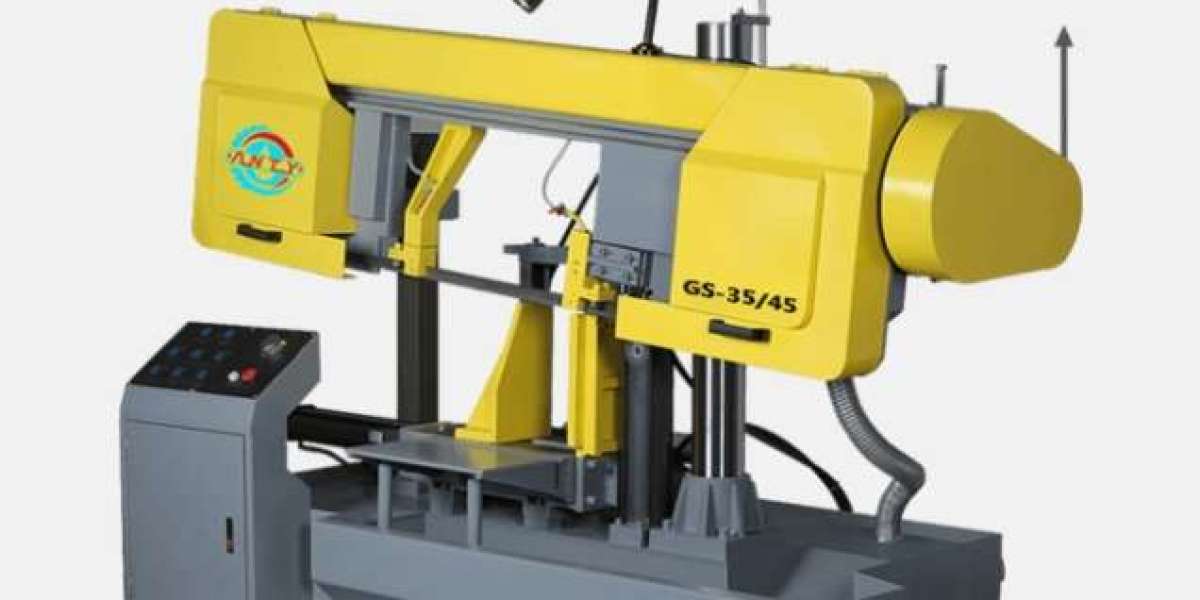

Operating a Horizontal Metal Cutting Band Sawing Machine involves specific risks, including contact with the moving blade, material kickback, and exposure to hot metal chips. Establishing clear safety protocols helps protect operators and maintain a productive workspace.
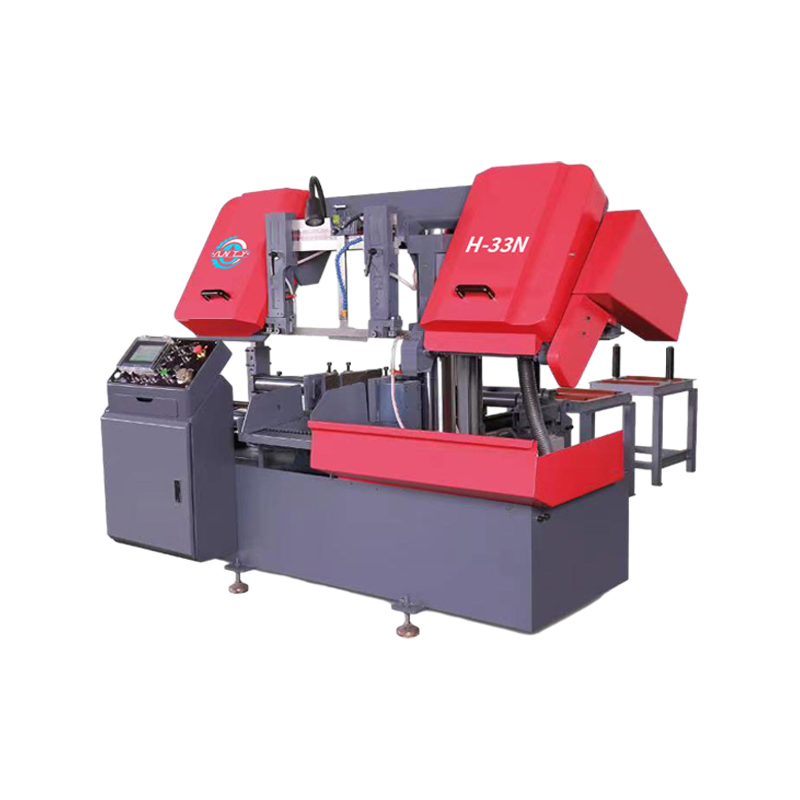
Before operation begins, a thorough inspection should be performed. This includes checking the blade for wear, confirming that all guards and covers are securely in place, and testing emergency stop controls. A properly maintained machine is the first step toward a safer environment.
Personal protective equipment is essential. Operators should wear safety goggles or face shields to protect against flying chips. Gloves, hearing protection, and steel-toed boots are also recommended. Long hair and loose clothing should be secured or removed to prevent entanglement.
Proper material handling is critical. Large workpieces must be supported and clamped securely before cutting starts. The Horizontal Metal Cutting Band Sawing Machine is designed with clamps and vises to hold materials in place, but it is the operator’s responsibility to confirm that everything is locked down. Cutting unstable or unbalanced material increases the chance of accidents.
During operation, hands and tools must be kept clear of the blade’s path. Many machines have built-in safety features that stop the blade if guards are lifted, but relying solely on automatic systems can lead to complacency. Operators should always remain attentive.
Coolant systems not only prolong blade life but also reduce the temperature of the cut area. Hot metal chips can cause burns or ignite debris, so it is important to ensure coolant levels are sufficient. Regular cleaning of the coolant reservoir prevents blockages and maintains effective cooling.
When performing maintenance, lockout/tagout procedures should be used to isolate power sources. This prevents accidental start-up while blades are being changed or adjustments are made. All maintenance staff should be trained to follow these steps without exception.
Training plays a central role in safe operation. New operators should complete instruction on machine setup, material positioning, and emergency procedures. Even experienced staff benefit from regular safety refreshers to keep best practices in mind.
Another effective strategy is clear signage. Posting reminders about PPE requirements, blade speeds, and emergency contact numbers helps maintain awareness. Labels indicating maximum cutting capacity and speed adjustments can reduce operator error.
A clean, organized work area further improves safety. Tools and materials should be stored away from the cutting zone to prevent tripping hazards. Lighting should be sufficient to clearly see the blade and workpiece alignment.
With these precautions in place, the Horizontal Metal Cutting Band Sawing Machine can be operated safely and efficiently. Companies that invest in training, maintenance, and thoughtful procedures create an environment where productivity and worker well-being can coexist.