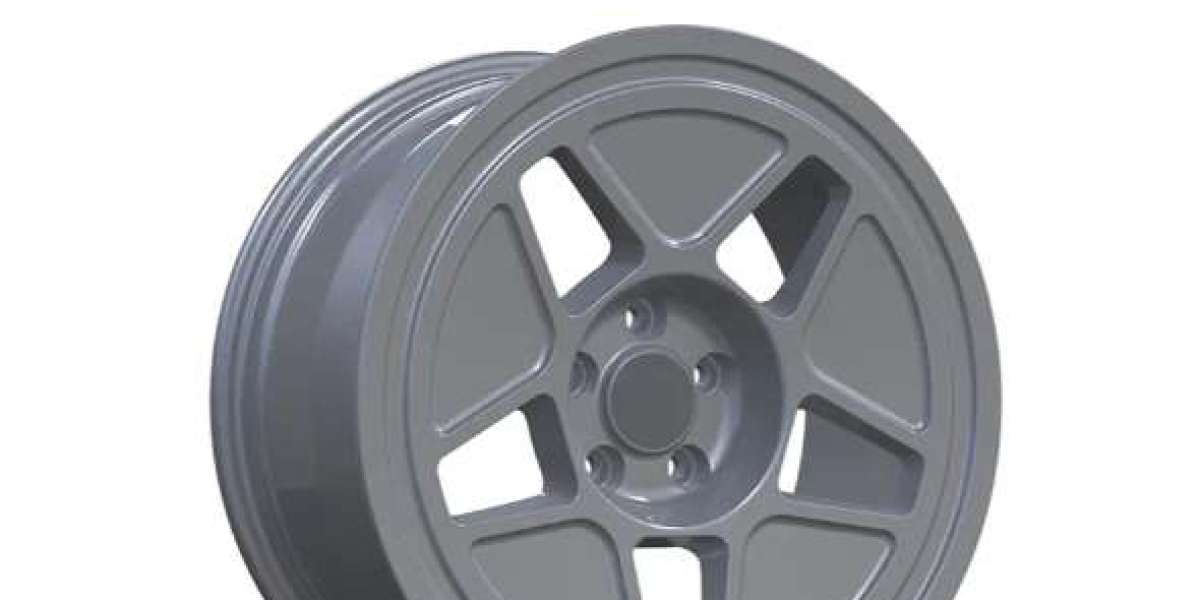

The integration of forged barrel structures into automotive wheel design brings a combination of strength and controlled weight distribution. When paired with the right tires, these wheels contribute to smoother road contact and improved vehicle behavior, especially under dynamic conditions.
A forged barrel is typically created through intense pressure and heat, forming a dense, uniform structure. This process reduces internal cavities, resulting in a more resilient wheel barrel capable of supporting tire load without unnecessary flexing. This trait is especially valued in vehicles that experience frequent shifts in speed or terrain.
In tire-related performance, the forged barrel influences bead seating and overall alignment. A well-machined barrel allows for more consistent contact between the tire and the wheel edge. This reduces the chance of air leaks and helps tires maintain stable pressure over time. For drivers, this translates into reduced maintenance intervals and a more reliable grip during both acceleration and cornering.
Furthermore, the strength of a forged barrel minimizes deformation, even when tires encounter potholes or abrupt road changes. This stability helps in preserving tire shape and tread life, contributing to safer driving conditions.
In today’s market, forged barrel wheels are not limited to performance vehicles. They are increasingly found in daily drivers seeking durable wheels that pair well with all-season or touring tires. This reflects a broader shift toward wheel designs that support tire longevity and handling without unnecessary mass or weakness.