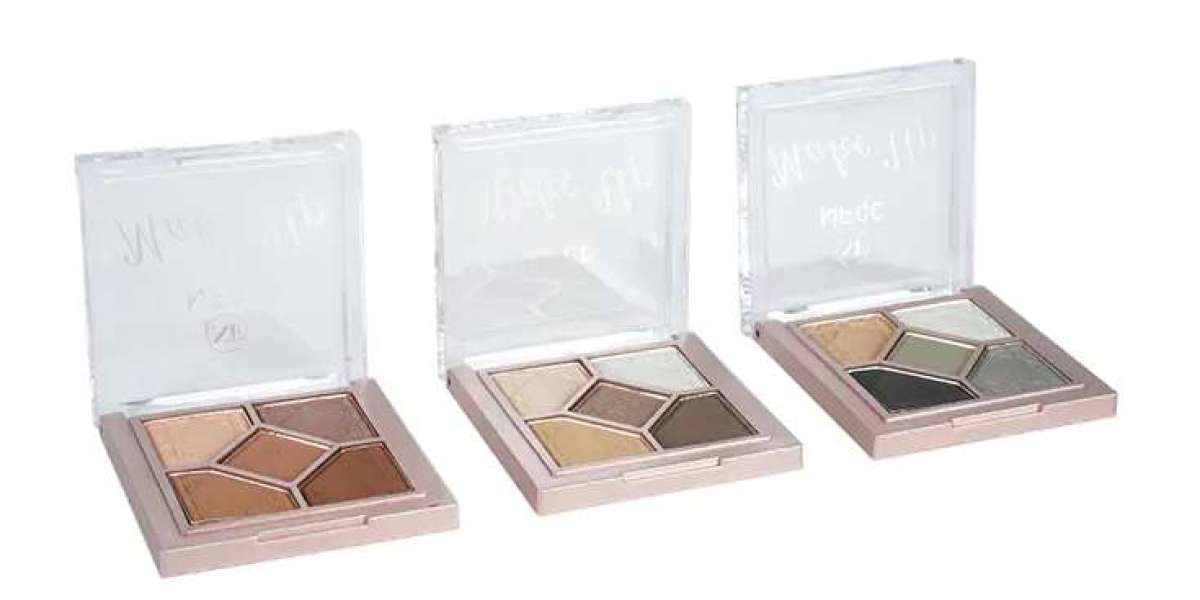

When people think of Eye Shadow, they picture a rainbow of pressed powders waiting to transform eyelids into works of art. Yet behind every shimmer, matte, or satin finish lies a quiet science that governs payoff, wear time, and even skin comfort. Understanding these fundamentals helps shoppers, artists, and retailers make confident choices without chasing hype.
Color families
Neutrals such as taupe, soft brown, and muted peach remain the backbone of daily looks. They enlarge the eye socket in soft daylight and pair effortlessly with office attire. Jewel tones—emerald, sapphire, and amethyst—add depth under evening lighting, while terracotta and brick shades complement warmer skin undertones. A simple rule: select hues one or two levels deeper than the natural lid tone for subtle definition, or three levels deeper for drama.
Texture spectrum
Pressed powders dominate shelves because they layer well and travel easily. Matte formulas absorb light, minimizing texture on mature lids. Shimmer particles reflect light, making eyes appear larger; micro-pearl versions avoid fallout. Cream-to-powder hybrids melt with fingertip warmth, then set to a budge-proof film—ideal for humid climates. Loose pigments offer the most intense payoff but require a damp brush or mixing medium to prevent dusting.
Formulation basics
Most shadows begin with treated mica or iron oxides for pigment. Binders such as zinc stearate help powder adhere, while silica microspheres provide slip for seamless blending. Film-forming polymers lock colour onto the lid, extending wear to eight hours or more. Fragrance-free and talc-free options exist for sensitive eyes; always patch-test on the inner forearm if irritation is a concern.
Tools and technique
Flat synthetic brushes deposit pigment, while fluffy natural bristles diffuse edges. A thin layer of eye primer evens skin tone and prevents creasing. Tap—never swipe—shadow onto the lid, then blend with windshield-wiper motions. For travel, a single matte transition shade plus one shimmer accent can create looks ranging from subtle to smoky.
Storage and hygiene
Store palettes away from direct sunlight to prevent colour shift. Close compacts firmly after use; exposure to air can harden the surface. Clean brushes weekly with mild soap and lukewarm water, reshaping bristles before air-drying. Replace cream shadows every twelve months and powder pans every two to three years to maintain freshness.
Sustainability snapshot
Refillable magnetic palettes reduce plastic waste, and responsibly sourced mica supports ethical mining practices. Look for third-party certificates that verify cruelty-free testing and recyclable packaging.
By focusing on colour harmony, texture compatibility, and mindful care, Eye Shadow becomes a reliable tool for everyday expression—no filter required.



Popular Posts










