
The Insulated Coffee Mug is valued for its ability to keep beverages hot or cold for extended periods, but with long-term use, many people worry about whether it may develop unpleasant odors. This concern is valid because a mug that begins to smell can affect not only the enjoyment of drinks but also raise questions about hygiene and material durability. Understanding how and why odors might occur provides insight into how to prevent them and maintain the mug in optimal condition.
Odor development is often linked to residues from coffee, tea, or other beverages that cling to the interior walls of the mug. Even with stainless steel construction, tiny traces of oils and sugars can accumulate in corners, around seals, or in the lid mechanism. Over time, these residues can lead to lingering smells, particularly if the mug is not cleaned thoroughly after each use. Plastic lids and silicone gaskets are especially prone to absorbing aromas, and these components can hold onto scents more stubbornly than the metal body itself.
Another factor contributing to odor is moisture retention. If a mug is closed while still damp, or if the lid is sealed without allowing the inside to dry properly, bacteria and mold can begin to develop in hidden crevices. This growth can cause noticeable smells that become stronger with repeated exposure to heat and liquid. The vacuum insulation itself does not create odor, but the areas around the sealing rings and the lid hinge are common trouble spots.
Fortunately, with proper care, odor problems are preventable. Regular washing with warm, soapy water is the first line of defense, and many users also rely on natural cleaning methods like baking soda or vinegar to neutralize stubborn smells. It is equally important to disassemble the lid when possible, cleaning every removable part to avoid residue buildup. Allowing the mug to air dry completely before reassembly can also help minimize trapped moisture that leads to odors.
The quality of materials also plays a role in whether odors become an issue. Higher-end mugs use food-grade stainless steel that resists staining and odor retention much better than cheaper alternatives. Likewise, durable, BPA-free plastics for lids and gaskets are designed to withstand repeated use without absorbing excessive smells. Choosing a well-constructed mug from the beginning reduces the likelihood of odor concerns later on.
From a practical perspective, occasional odor issues are not unique to insulated mugs and can happen with any reusable drink container if cleaning is neglected. However, with a consistent routine of care, most users find that their mug remains fresh even after months or years of use. Those who rotate beverages, such as switching between coffee, tea, and flavored drinks, should pay extra attention to cleaning since diverse residues can mix and amplify smells.
In conclusion, while long-term use of a coffee mug can create conditions where odors might develop, these issues are not inevitable. With thoughtful design, high-quality materials, and good cleaning practices, the mug remains hygienic and free from unpleasant scents. For users who rely on it daily, the key to avoiding odors lies in proper maintenance, ensuring the mug continues to provide a safe and enjoyable drinking experience over time
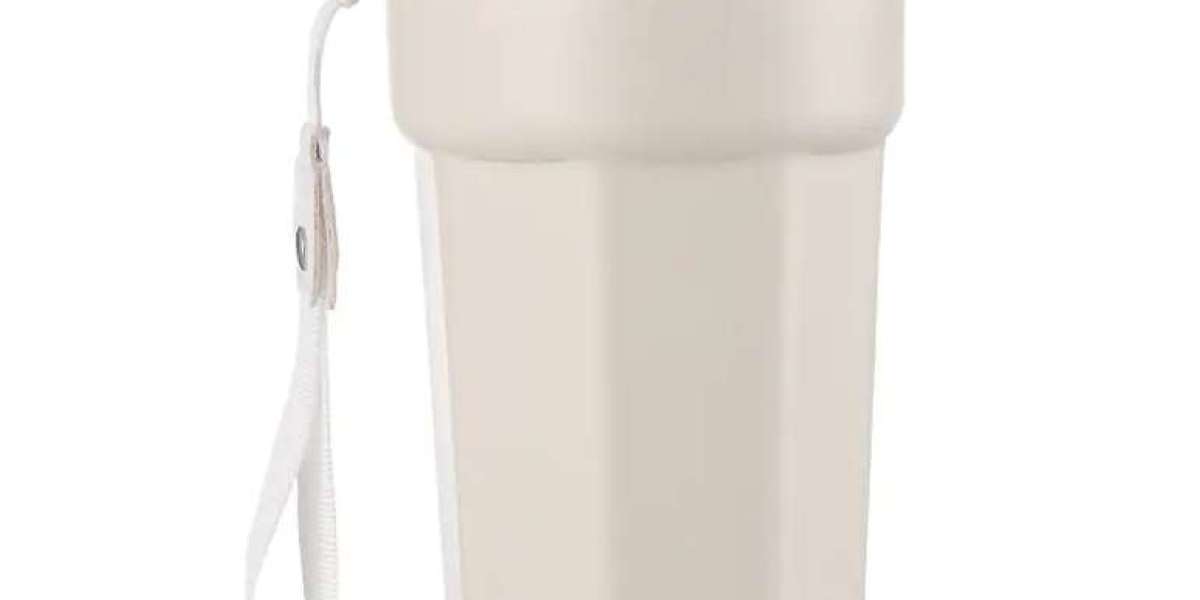
Capacity: 420ml
Size(Dia*H): 7*8.8*16cm
White box: 9*9*17cm
Bottle weight: 250g
Pcs/ctn: 50
Carton size: 50*49.5*36cm
G.W./N.W.: 15.0/13.0kg