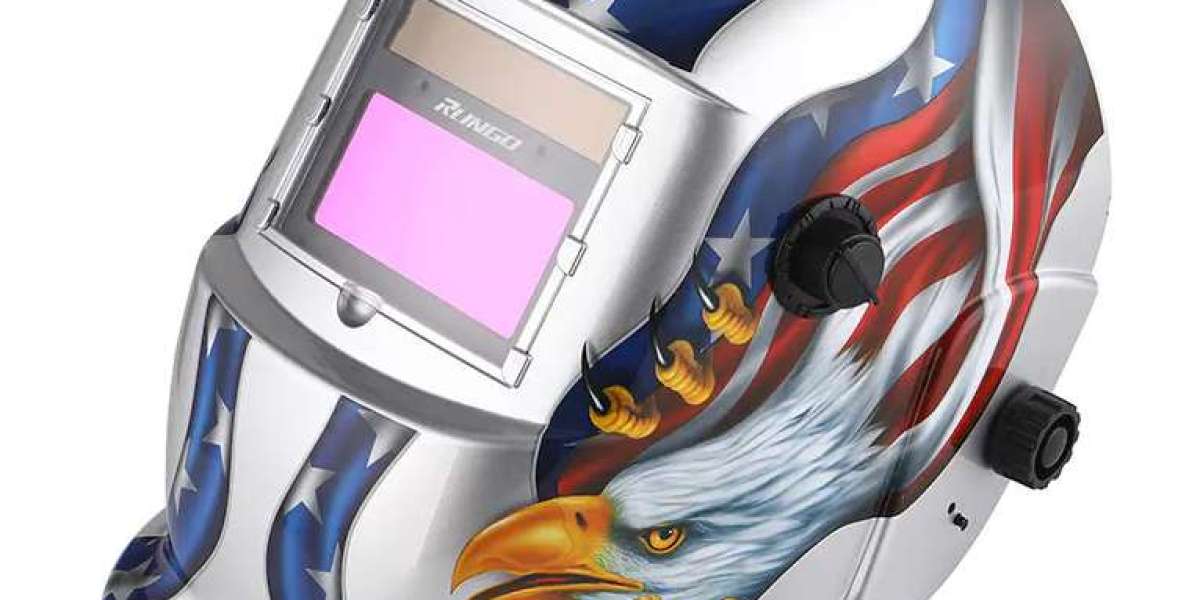

When welders consider an Auto Lens Welding Helmet, comfort during long periods of use is often a primary concern. Welding tasks frequently require operators to maintain the helmet on their head for hours at a time, performing precise work under physically demanding conditions. An uncomfortable helmet can lead to fatigue, neck strain, or even reduce the quality of work due to distractions or constant adjustments. Therefore, the design and ergonomics of the helmet play a critical role in supporting both safety and efficiency.
Modern helmets are designed with lightweight materials that balance durability with reduced strain on the head and neck. High-quality plastics and composite materials help keep the overall weight down without compromising the protective capabilities of the lens or shell. Adjustable headgear systems allow welders to customize the fit, distributing weight evenly across the skull rather than concentrating it on the forehead or temples. Properly adjusted, this reduces pressure points and allows for stable positioning during repetitive or prolonged welding tasks.
Padding and cushioning in the headband are also key factors affecting comfort. Soft, breathable materials help prevent sweating and skin irritation, especially in hot environments. The ability to fine-tune the tightness of the headband ensures that the helmet remains secure without feeling overly restrictive. Additionally, some helmets incorporate ratchet or slider adjustments that allow quick fitting changes, which is particularly useful in shared workspaces or when transitioning between different tasks.
Another consideration is ventilation and airflow. Helmets that trap heat can quickly become uncomfortable, leading to fatigue or reduced focus. Ventilated designs or air channels in the shell allow for passive cooling, while some advanced models can integrate powered air systems to enhance comfort in high-temperature environments. This feature is particularly valuable for welders performing extended MIG, TIG, or stick welding operations, where continuous exposure to heat and sparks is unavoidable.
The viewing area and lens design also affect comfort indirectly. A wide, clear field of vision reduces the need for constant head movements, minimizing neck strain and allowing welders to work more efficiently. Lightweight lenses, combined with the protective shell, help balance the helmet and maintain stability during sudden movements. The smooth operation of the auto-darkening feature ensures welders do not experience sudden flashes or delays, which could cause eye strain and discomfort over time.
In conclusion, the comfort of an Auto Lens Welding Helmet during long-term use depends on a combination of lightweight construction, adjustable headgear, cushioning, ventilation, and ergonomic design. Helmets that successfully integrate these features allow welders to focus on their work without distraction, reduce physical fatigue, and maintain safety over extended periods. Choosing a well-designed helmet and making small adjustments to fit and positioning can make a significant difference in daily comfort, enhancing both productivity and overall user satisfaction.
Product Features:
1. Durable and Lightweight Design
2. Adjustable Headgear and Integrated Control Panel
3. Adjustable Shade Range DIN 9-13
4. Grind Mode for Versatility
5. Certifications
6. Comfort