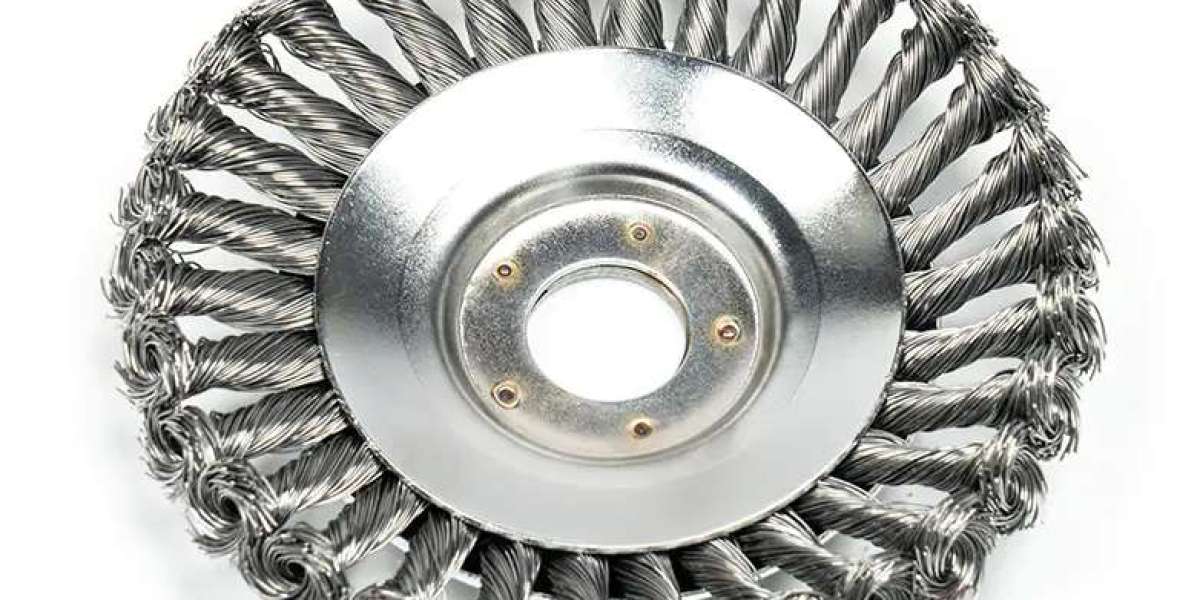

Wire Wheel Brushes are widely used for surface cleaning, rust removal, deburring, and polishing in a variety of industrial applications. One critical factor that influences both their effectiveness and longevity is the operating condition, particularly rotation speed and applied pressure. Understanding how these variables affect performance allows operators to optimize results while extending the service life of the brush.
The rotation speed of a Wire Wheel Brush directly affects its abrasion rate. Higher speeds increase the contact energy between the bristles and the workpiece, which enhances the removal of rust, paint, or scale. This can result in faster material removal and more efficient cleaning. However, excessive speed can generate high centrifugal forces, potentially leading to bristle deformation, wear, or even dislodging of wires, which reduces brush lifespan and may pose safety risks. Maintaining rotation within the manufacturer’s recommended range ensures both effective cleaning and safe operation.
Applied pressure also plays a significant role in performance. Moderate pressure allows the brush to conform to the surface and remove unwanted material efficiently. Applying excessive force, however, can overload the bristles, causing accelerated wear, uneven abrasion, and possible damage to the workpiece. On the other hand, too little pressure may reduce the brush’s effectiveness, leading to incomplete cleaning or polishing and longer processing times. Achieving the right balance between speed and pressure is therefore critical for optimal results.
The interaction between speed and pressure further determines the brush’s service life. A brush operated at high speed under moderate pressure tends to maintain performance for a longer period, whereas high-speed operation combined with excessive force accelerates bristle fatigue and deformation. Low-speed operation under heavy pressure can similarly stress the bristles, causing bending or breaking over time. Careful attention to these parameters ensures consistent performance and reduces the need for frequent replacements.
Material properties of the Wire Wheel Brush, including bristle type, diameter, and density, also influence how it responds to different operating conditions. Harder bristles, such as stainless steel, are more resistant to wear under high-speed conditions, while softer bristles may wear faster or deform more easily. Choosing the appropriate brush type for the workpiece material and the intended application helps optimize both performance and longevity.
Environmental factors, such as heat generated by friction, also affect durability. Continuous operation at high speed and pressure may increase the temperature at the contact interface, potentially softening the bristle material or altering the bond with the hub. Monitoring and controlling operational parameters can minimize these effects, ensuring safe and consistent use over time.
In conclusion, the performance and lifespan of Wire Wheel Brushes are highly dependent on rotation speed and applied pressure. Maintaining appropriate speed and pressure within recommended limits allows for efficient material removal, consistent surface finishing, and extended brush durability. Selecting the right brush material and monitoring operating conditions further enhances both safety and performance, making these tools reliable for industrial and workshop applications. Understanding and managing these factors is key to achieving optimal results while prolonging the life of the Wire Wheel Brush
The twisted wire cup Wire Wheel Brush is a versatile and durable tool used primarily for cleaning, deburring, and surface preparation tasks. Featuring a cup-like design with twisted wire bristles, this tool is commonly used in industrial, automotive, and maintenance applications where effective removal of rust, paint, scale, and other debris is essential. The twisted wire construction ensures strength and precision, making it suitable for a wide range of cleaning and finishing processes.