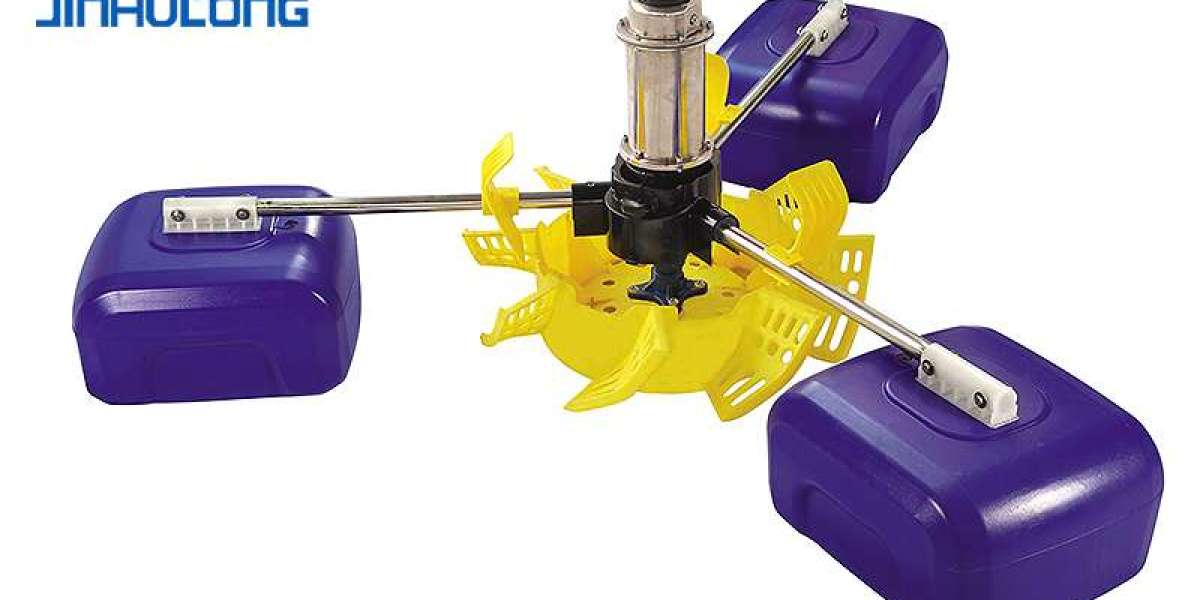

Introduction to Impeller Aerator Wear
An Impeller Aerator is widely used in water treatment and aquaculture to maintain optimal dissolved oxygen levels. Like any mechanical equipment, its components, particularly the impeller blades, are subject to wear over time. Understanding how wear affects the energy efficiency of the device is critical for both operational cost management and maintaining aeration performance. As the impeller deteriorates, its hydrodynamic characteristics change, potentially requiring higher power input to achieve the same oxygen transfer.
Effects of Blade Wear on Hydrodynamics
The efficiency of an Impeller Aerator is largely determined by the shape, smoothness, and balance of its blades. Wear can result in rough surfaces, uneven blade edges, or slight deformations, all of which disrupt water flow and reduce mixing efficiency. When the impeller no longer moves water as effectively, it requires additional rotational energy to maintain the desired oxygen transfer rates. This increased workload directly translates to higher energy consumption, sometimes disproportionately relative to the level of wear.
Increased Energy Demand Over Time
As the impeller blades degrade, the aerator may need to operate at higher speeds to compensate for lost efficiency. Even small changes in blade condition can have a noticeable impact on energy use, especially in large-scale systems. Furthermore, wear can cause vibration and imbalance, forcing motors to work harder and potentially shortening their service life. This combination of factors contributes to a gradual increase in operational costs if wear is not addressed promptly.
Maintenance and Preventive Strategies
Regular inspection and maintenance are key to minimizing energy penalties associated with impeller wear. Replacing or refurbishing blades before significant degradation occurs can restore hydrodynamic performance and reduce energy consumption. Selecting materials resistant to corrosion and abrasion, along with optimizing operational conditions such as speed and load, further mitigates wear. By proactively managing blade condition, operators can maintain both energy efficiency and aeration performance.
Implications for Long-Term Operations
Ignoring the effects of impeller wear can lead to cumulative increases in energy costs and potential reductions in oxygen transfer efficiency. This not only affects operational budgets but may also compromise water quality or aquatic health. Understanding the relationship between mechanical degradation and energy use allows for informed scheduling of maintenance and replacement cycles, ensuring sustainable and cost-effective operation over the life of the equipment.
Wear in Impeller Aerator blades has a direct and measurable impact on energy consumption. Degradation reduces mixing efficiency, necessitating higher power input and potentially causing mechanical stress on the system. Through regular maintenance, timely replacement, and careful monitoring of operational parameters, operators can control energy costs while maintaining optimal oxygen transfer. Proactive management of impeller wear ensures both performance reliability and long-term efficiency in water aeration systems.