
Introduction
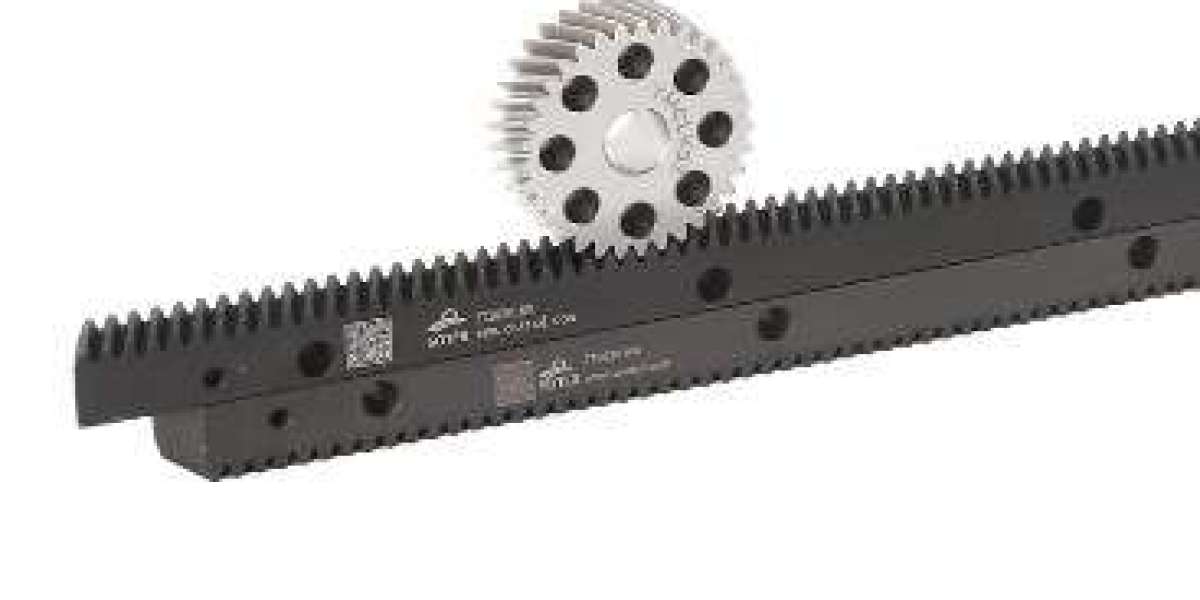
When engineers choose a Precision Gear Rack for linear transmission, accuracy across long travel distances is often a critical factor. These components are widely used in automation, robotics, and heavy machinery because they can handle significant loads while providing precise motion. However, concerns about cumulative error naturally arise when systems are required to cover extended lengths without compromising positioning accuracy.
Sources of Potential Error
In long-distance applications, cumulative error may result from several factors. Manufacturing tolerances in rack segments, even if minimal, can accumulate as more sections are joined. Small variations in tooth geometry, pitch, or surface finish may create a chain effect that becomes noticeable over meters of travel. Alignment during installation is another key factor, as even slight deviations at each joint can compound and cause the carriage to drift off its intended path.
Mitigation Through Manufacturing Precision
Modern production methods minimize such risks by using advanced machining and grinding processes to achieve consistent tooth profiles. High-precision racks are often manufactured in long, continuous sections to reduce the number of joints required. In applications where joints are unavoidable, special matching and pairing processes ensure that adjacent sections align with minimal pitch error. By maintaining tight tolerances, manufacturers significantly reduce the possibility of cumulative error affecting long travel distances.
Role of Installation and System Design
While precision in manufacturing is crucial, proper installation and system design play equally important roles in preventing error buildup. Engineers must ensure rigid mounting surfaces, precise alignment of each rack section, and correct engagement with the mating pinion. Any deviation during assembly can offset the benefits of high manufacturing accuracy. Additionally, system-level design features such as linear guides or feedback sensors can help compensate for minor discrepancies, ensuring consistent performance even over several meters of travel.
Impact of Wear and Maintenance
Over time, wear can also contribute to error accumulation in long travel systems. Tooth wear, uneven lubrication, or contamination may create localized inaccuracies that gradually influence overall motion quality. Preventive maintenance practices such as scheduled inspections, proper lubrication, and replacement of worn parts are essential to maintaining accuracy. With consistent upkeep, the risk of error accumulation can be controlled even in demanding environments.
Cumulative error in long-distance transmission is a valid concern, but it does not necessarily limit the suitability of precision racks for extended applications. Through high-quality manufacturing, careful installation, and ongoing maintenance, the risk of accuracy loss can be minimized. As a result, gear racks remain a dependable choice for industries requiring long travel motion without compromising precision.
Precision Gear Rack
Technical requirement
Quality Grade: DIN 6
Material: S45C/ 42CrMo
Tooth type: straight tooth.
Production process: four sides grinding, tooth surface grinding, and V rail surface grinding.
Hardness treatment: high frequency quenching HRC48-52°/ carburizing quenching HRC55-60°