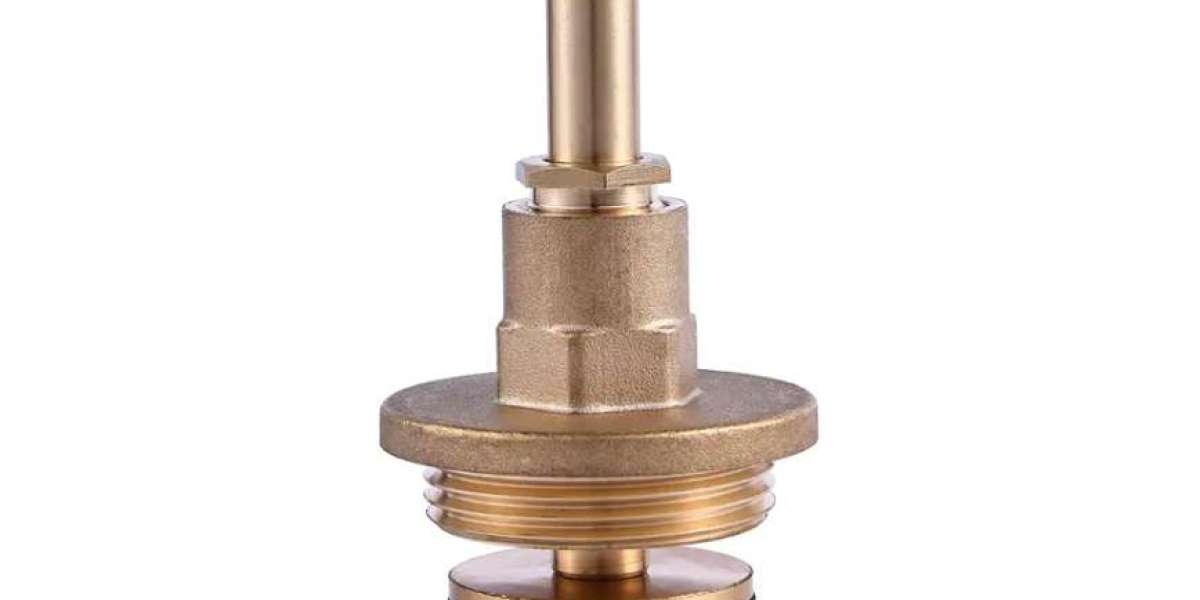

The selection of fluid media for a Slow Opening Valve Core is crucial for achieving reliable performance and long service life. Valves are exposed to various liquids and gases in industrial, hydraulic, and pneumatic systems, and compatibility with the fluid type affects sealing, corrosion resistance, and mechanical operation. Understanding which fluids are suitable ensures optimal efficiency and prevents premature wear or failure.
Compatibility with Water and Aqueous Solutions
Slow-opening valve Cores are commonly used in water systems, including potable water, irrigation, and cooling circuits. Their materials and seals are typically resistant to corrosion from fresh water. They also handle mild aqueous solutions, such as low-concentration detergents or chemical additives, provided the fluid does not exceed the material’s chemical resistance limits. Proper selection of elastomers and coatings is essential to maintain sealing integrity.
Performance with Oils and Lubricants
In hydraulic or lubrication systems, Slow Opening Valve Cores must be compatible with oils, fuels, and lubricants. Valves designed with compatible seals, such as nitrile rubber or fluoropolymer, can operate efficiently in these viscous fluids without leakage or swelling. The slow opening mechanism also benefits oil systems by gradually equalizing pressure, preventing shock loads, and reducing wear on pump and piping components.
Handling of Gaseous Media
Certain Slow Opening Valve Cores are suitable for gases, including air, nitrogen, and other inert gases. Gas compatibility depends on the valve’s sealing material and pressure rating. The slow opening function is particularly valuable in gas systems to prevent sudden pressure surges, which could damage pipes or downstream equipment. Valves must also be leak-tested for gas applications to ensure safety and performance.
Limitations with Aggressive Chemicals
Not all fluids are suitable for standard Slow Opening Valve Cores. Highly corrosive acids, alkalis, or solvents may degrade seals and metal components, causing leakage or failure. For aggressive chemical applications, specialized materials such as PTFE, Hastelloy, or coated alloys are required. Matching the valve materials to the specific chemical properties of the fluid is essential for long-term reliability.
Operational Considerations
When selecting a Slow Opening Valve Core for a specific fluid, temperature, pressure, and viscosity must also be considered. Highly viscous fluids may slow valve response, while high temperatures can affect seal elasticity. Regular maintenance and inspection ensure that valves remain compatible with the chosen fluid and continue to operate safely and efficiently over time.
Slow Opening Valve Core is suitable for a variety of fluids, including water, mild aqueous solutions, oils, lubricants, and certain gases. Material selection and seal compatibility are critical factors in ensuring reliable performance. For aggressive chemicals or extreme conditions, specialized designs are necessary. By carefully matching the valve to the fluid type, operators can achieve safe, efficient, and long-lasting operation across diverse industrial and hydraulic applications.