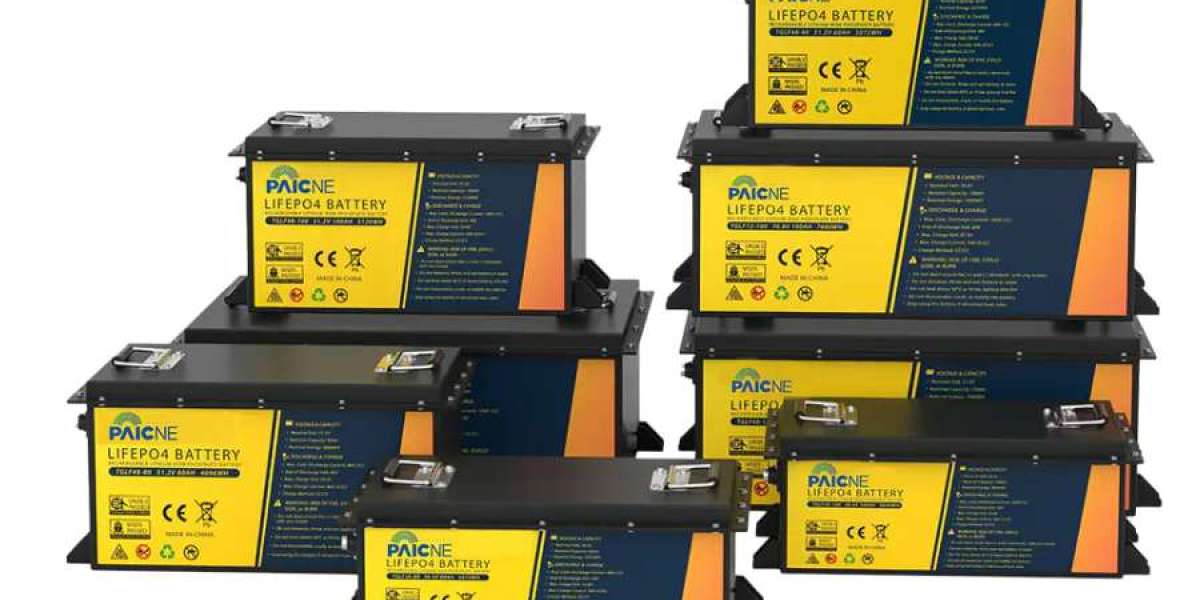

Introduction to Charging Efficiency Comparison
Lithium Iron Phosphate Battery (LiFePO4) has emerged as a preferred solution in many energy storage and mobility applications due to its durability, safety, and improved efficiency. A key area of distinction lies in charging performance when compared to conventional lead-acid batteries. While both technologies serve the purpose of storing electrical energy, their charging processes and efficiency levels are significantly different, influencing cost-effectiveness, reliability, and long-term usability.
Charging Speed and Time Requirements
One of the most evident improvements is the charging speed. Lead-acid batteries generally require extended charging times, often several hours, and must go through absorption and float stages to reach full capacity. By contrast, Lithium Iron Phosphate Battery supports much faster charging cycles, often achieving a substantial charge within a fraction of the time. This efficiency in time not only improves user convenience but also enhances the productivity of systems that rely on quick energy turnaround.
Energy Conversion Efficiency
In terms of conversion, LiFePO4 cells typically achieve charging efficiencies above 95%, while traditional lead acid batteries usually operate around 70–85%. This means that more of the supplied electrical energy is stored and later available for use in lithium batteries, reducing overall energy waste. For large-scale energy storage or renewable integration, this higher efficiency directly translates to lower operational costs and improved sustainability.
Depth of Discharge and Usable Energy
Charging efficiency cannot be considered without looking at the depth of discharge. Lead-acid batteries suffer from reduced lifespan if deeply discharged, which forces users to keep them in a limited charge range. In contrast, Lithium Iron Phosphate Battery can handle deeper discharges without damage, and when recharged, retains high efficiency across its usable capacity. This leads to greater effective energy delivery and fewer charge cycles wasted.
Maintenance and Lifecycle Benefits
Another advantage linked to efficiency is reduced maintenance. Lead-acid batteries often require equalization charging to prevent sulfation, a process that consumes additional energy and time. Lithium batteries eliminate these requirements, allowing more consistent and efficient charging throughout their lifespan. Over thousands of cycles, this results in a much lower total cost of ownership and reduced downtime.
Practical Implications for Applications
The improvement in charging efficiency has significant implications across industries. For electric vehicles, it enables shorter charging stops and longer driving ranges. In renewable energy storage, higher efficiency ensures that more solar or wind energy is captured and utilized effectively. For backup power systems, it guarantees quicker readiness during outages. These advantages collectively make LiFePO4 a superior choice where efficiency and reliability are top priorities.
The charging efficiency of Lithium Iron Phosphate Battery is notably superior to that of traditional lead acid batteries. Faster charging times, higher energy conversion rates, tolerance for deeper discharges, and lower maintenance demands all contribute to its advantage. These improvements not only enhance performance but also bring economic and environmental benefits, ensuring that LiFePO4 continues to gain prominence in both industrial and consumer applications.
Features:
1. High energy density: Phosphate iron lithium batteries have a higher energy density, providing longer usage time and higher cruising range.
2. Long cycle life: Phosphate iron lithium batteries have a long cycle life and can withstand more charge and discharge cycles without reducing performance.
3. Good high-temperature performance: Phosphate iron lithium batteries still maintain good performance at high temperatures and are not prone to safety issues such as thermal runaway.
4. Fast charging: Phosphate iron lithium batteries have high charging efficiency and can complete charging in a short time.
5. High safety: Compared to other lithium-ion batteries, phosphate iron lithium batteries have lower risk of self-ignition and explosion.