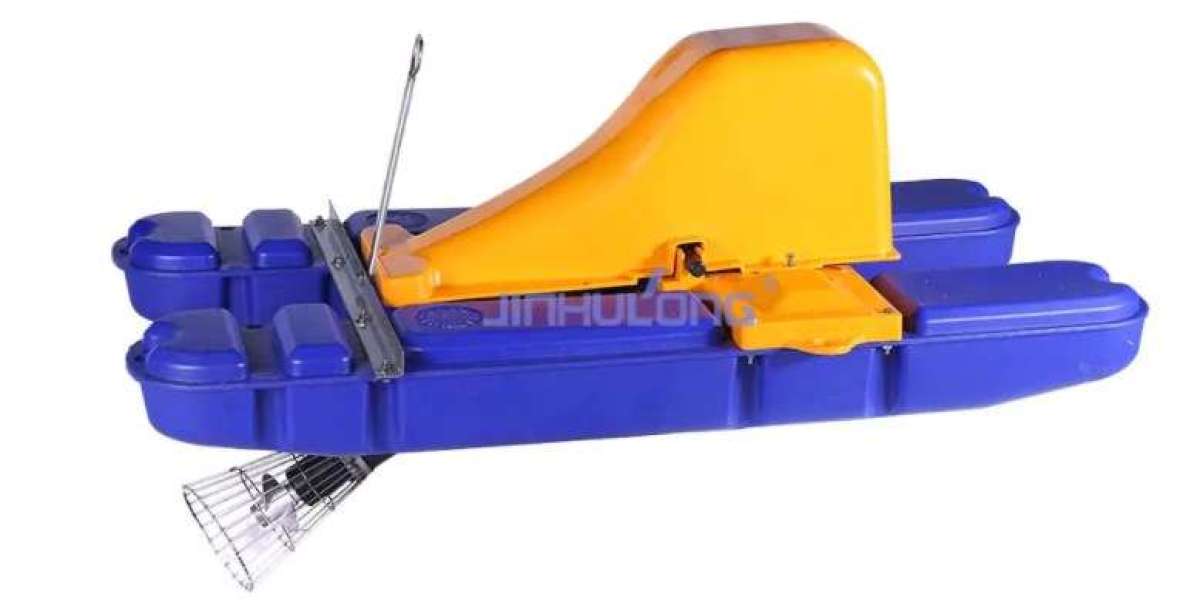

A Deep Water Jet Aerator is designed to enhance oxygen transfer in deeper water bodies more effectively than conventional aerators. Unlike traditional surface aerators that primarily agitate the water at the top, jet aerators inject air and create strong water circulation that reaches lower layers. This ensures more uniform oxygen distribution and improves overall water quality. Understanding these differences is crucial for aquaculture, wastewater treatment, and large-scale pond management.
Working Mechanism
Conventional aerators rely on surface turbulence to promote gas exchange. They disturb the water at the surface, allowing oxygen to dissolve into the upper layers, but their effect diminishes with increasing depth. In contrast, a Deep Water Jet Aerator uses high-velocity jets to circulate water throughout the entire column. This not only delivers oxygen to deeper layers but also prevents stagnant zones, maintaining consistent water quality from top to bottom.
Efficiency and Performance
One of the main differences is efficiency. Surface aerators work well in shallow ponds or tanks but struggle to maintain adequate oxygen in deeper water. Jet aerators achieve higher oxygen transfer rates regardless of depth, ensuring better aquatic health and improved wastewater treatment results. The thorough mixing also reduces the likelihood of anaerobic conditions forming at the bottom, which is a common limitation of traditional aerators.
Applications
The choice between these two devices depends on water depth and usage needs. Conventional aerators are suitable for small or shallow ponds where surface agitation is sufficient. Deep Water Jet Aerators are ideal for deep ponds, aquaculture facilities, or industrial wastewater systems where uniform oxygen distribution is critical. Their ability to handle larger volumes and maintain stable water quality makes them a preferred option in complex environments.
Maintenance Considerations
Maintenance differs between the two types. Surface aerators are easier to install and maintain because of their simple structure and operation. Jet aerators require careful positioning, regular inspection, and occasional technical adjustments to ensure optimal performance. Despite slightly higher maintenance requirements, the long-term benefits of deeper oxygen penetration and improved water circulation often outweigh these challenges.
The primary distinctions between a Deep Water Jet Aerator and conventional aerators lie in their working mechanism, efficiency, applicable depth, and overall performance. While surface aerators remain practical for shallow applications, jet aerators excel in deeper or more demanding water environments, offering superior oxygen distribution and better water quality outcomes.
Product characteristics:
1.Provide oxygen-supply equipment to aquaculture farmers with its innovative machinery design.
2. Suitable for salt and fresh water culturing and industrial waste water treatment.
3. Provide a high level of dissolved oxygen, balance the water temperature, purify the water and make strong water flow, increase aquaculture yields and improve water quality management.
4. High durability and high strength prolong the service life; resistance of acid and alkalinity, sun exposure and salt water erosion.
5. Reduced number of components make it easy to install, zero fault in handling, easy maintenance and low cost.
6. Lightweight, easy to assemble, install and move.