
In today's fast-paced world, stress, anxiety, poor sleep, and lack of concentration have become everyday struggles. While people often turn to supplements, medications, or expensive wellness programs, doctors across the globe continue to recommend one simple, powerful, and free solution: breathing exercises. Backed by science and centuries of practice, the breathing exercises benefits extend far beyond relaxation. They support mental clarity, emotional balance, better sleep, and even physical health.
This blog explores why medical professionals emphasize breathing practices and how you can incorporate them into your daily routine for overall wellness.
The Science Behind Breathing and the Body
Breathing is not just about oxygen intake; it directly influences the nervous system. When you breathe slowly and deeply, your body activates the parasympathetic nervous system, also known as the “rest and digestion” mode. This helps lower heart rate, reduce blood pressure, and calm the mind.
On the other hand, shallow and rapid breathing keeps the body in a constant state of alertness, which increases stress hormones like cortisol. This is why doctors emphasize deep breathing exercises as a natural way to restore balance within the body.
Medical research shows that controlled breathing can improve lung function, support cardiovascular health, enhance brain performance, and even boost immunity. These are not just wellness trends but clinically supported practices.
Breathing Exercises Benefits for Mental Health
One of the most widely recognized breathing exercises benefits is improved mental well-being. Doctors often recommend breathing techniques to patients dealing with anxiety, depression, and chronic stress.
Slow, rhythmic breathing helps calm racing thoughts and reduces emotional overwhelm. By focusing on your breath, your mind shifts away from worries and becomes more present. This is why breathing is commonly used in therapy, mindfulness practices, and meditation.
Patients who practice breathing regularly often report improved mood stability, reduced anxiety episodes, and better emotional control. Over time, this simple habit can significantly improve overall mental resilience.
How Breathing Exercises Reduce Stress Naturally
Understanding how breathing exercises reduce stress helps explain why doctors trust this method so much. When stress levels rise, your breathing becomes shallow, and your muscles tense up. This sends danger signals to the brain, reinforcing the stress response.
When you consciously slow down your breathing, you reverse this cycle. The brain receives signals that the body is safe, which reduces the production of stress hormones. Heart rate slows, muscles relax, and the mind feels calmer.
That is why doctors frequently recommend breathing exercises for stress management instead of immediately turning to medication, especially in mild to moderate cases. It’s a natural, side-effect-free approach that works effectively with regular practice.
Breathing Exercises for Focus and Mental Clarity
In an age of constant distractions, focus has become a rare skill. Surprisingly, one of the most effective tools for improving concentration is breath control. Many healthcare professionals now recommend breathing exercises for focus to students, professionals, and even patients recovering from burnout.
Controlled breathing improves oxygen supply to the brain, which enhances cognitive performance. It also reduces mental clutter, allowing you to think more clearly. That’s why athletes, executives, and performers use breathing techniques before important tasks.
Doctors often advise short breathing sessions during work breaks to reset the mind, improve productivity, and maintain mental stamina throughout the day.
The Importance of Deep Breathing Exercises for Physical Health
Beyond mental wellness, deep breathing exercises play a crucial role in physical health. They strengthen the lungs, improve respiratory efficiency, and support better oxygen circulation throughout the body.
Doctors commonly recommend deep breathing practices to patients with respiratory issues, sedentary lifestyles, or poor posture. Deep breathing encourages the diaphragm to function properly, which improves lung capacity and prevents shallow breathing habits.
Regular practice can also help with:
- Lowering blood pressure
- Improving digestion
- Reducing muscle tension
- Supporting heart health
- Enhancing overall energy levels
These physical improvements are key reasons why breathing practices are increasingly included in preventive healthcare routines.
Breathing Exercises Before Sleep for Better Rest
Sleep problems are one of the most common health complaints today. Doctors often suggest breathing exercises before sleep as a natural way to improve sleep quality without relying on sleeping pills.
Slow breathing before bedtime signals the body to relax. It reduces mental overactivity and helps transition the nervous system into a restful state. People who practice calming breathing techniques before bed often fall asleep faster and experience deeper sleep cycles.
For individuals struggling with insomnia, anxiety at night, or overthinking, breathing exercises can become a powerful part of a healthy bedtime routine.
Stress Relief Breathing Techniques Doctors Commonly Recommend
There are several stress relief breathing techniques that medical professionals frequently suggest because they are easy, safe, and effective.
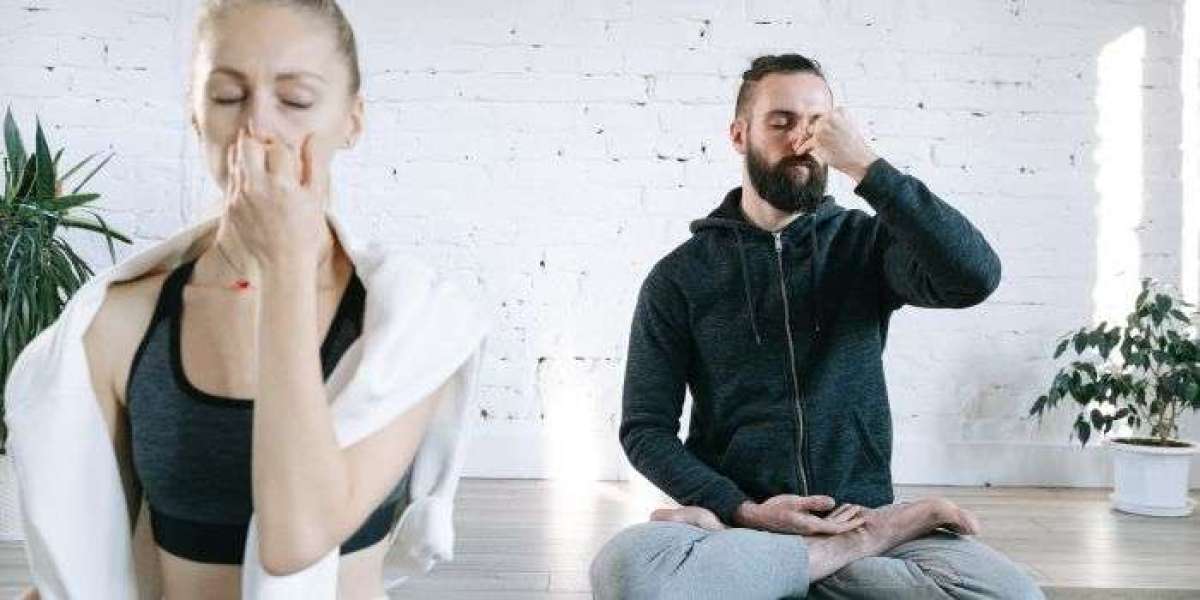
One popular technique is diaphragmatic breathing, where you breathe deeply into the belly instead of the chest. Another is box breathing, which involves inhaling, holding, exhaling, and holding again for equal counts. Alternate nostril breathing is also widely used to balance the nervous system.
Doctors often recommend starting with just 5–10 minutes per day. The key is consistency rather than perfection. Over time, these techniques train your body to respond more calmly to stressful situations.
Why Doctors Prefer Breathing Over Medication for Mild Stress
While medication has its place in healthcare, doctors often encourage lifestyle-based solutions first, especially for stress-related issues. Breathing exercises are non-invasive, cost-free, and can be practiced anywhere.
The long-term breathing exercises benefits include better self-regulation, emotional awareness, and resilience. Instead of suppressing symptoms, breathing works with the body’s natural systems to restore balance.
This is why breathing practices are now integrated into holistic health programs, psychotherapy, cardiac rehabilitation, pain management, and even chronic disease care.
Making Breathing Exercises Part of Your Daily Life
Doctors agree that the effectiveness of breathing techniques depends on regular practice. You don’t need hours of meditation or complex routines. Even a few minutes in the morning, during work breaks, or before sleep can create noticeable improvements.
You can start by:
- Practicing deep breathing for 5 minutes after waking up
- Using breathing exercises for focus before important tasks
- Trying calming breathing techniques during stressful moments
- Practicing breathing exercises before sleep to unwind
Over time, your body learns to stay calmer naturally, even in challenging situations.
Final Thoughts
The growing medical support for breathing practices is not just a trend but a reflection of their powerful impact on health. From improving mental clarity to supporting physical well-being, the breathing exercises benefits are wide-ranging and scientifically supported.
Whether it's breathing exercises for stress , improving concentration through breathing exercises for focus , practicing deep breathing exercises for physical health, understanding how breathing exercises reduce stress , or using breathing exercises before sleep for better rest, these techniques offer a simple yet transformative approach to wellness.
By incorporating stress relief breathing techniques into your daily routine, you are not just managing symptoms—you are actively supporting your body's natural ability to heal, balance, and thrive.