In an era where digital transformation is accelerating rapidly, security has become one of the most critical aspects of software development. Businesses today rely heavily on web and mobile applications to deliver services, manage operations, and engage customers. However, with this growing dependence comes an increased risk of cyber threats. This is why implementing web and mobile app security best practices is essential for protecting sensitive data and maintaining user trust.
From startups to large enterprises, every organization must prioritize secure app development guidelines to prevent data breaches, financial loss, and reputational damage. Cyberattacks are becoming more sophisticated, and without proper security measures, even a small vulnerability can lead to significant consequences.
Understanding the Importance of Application Security
Application security is not just a technical requirement it is a business necessity. Modern users are more aware of data privacy and expect companies to safeguard their personal information. Implementing strong cybersecurity in app development ensures that applications remain resilient against threats such as malware, phishing, and unauthorized access.
For developers and businesses alike, adopting secure software development lifecycle (SDLC) practices helps integrate security at every stage of development. Instead of treating security as an afterthought, it becomes a core component of the entire process.
Secure Coding Practices for Developers
One of the foundational elements of application security is writing secure code. Vulnerabilities often arise from poorly written or untested code, making it easier for attackers to exploit weaknesses.
Following secure coding practices for developers includes:
Validating all user inputs
Avoiding hard-coded credentials
Implementing proper error handling
Using secure authentication methods
By adhering to these practices, developers can significantly reduce the risk of common vulnerabilities such as SQL injection, cross-site scripting (XSS), and buffer overflows.
Authentication and Authorization Mechanisms
Authentication and authorization are critical for controlling access to applications. Without proper mechanisms in place, unauthorized users can gain access to sensitive data.
To ensure strong security:
Use multi-factor authentication (MFA)
Implement role-based access control (RBAC)
Encrypt user credentials
Regularly update authentication protocols
These measures align with mobile app security best practices 2026, ensuring that only authorized users can access specific features and data.
Data Encryption and Protection
Data encryption is a key component of web application security best practices. It ensures that even if data is intercepted, it cannot be read or misused.
Best practices include:
Using HTTPS protocols
Encrypting data at rest and in transit
Securing APIs with encryption keys
Encryption not only protects sensitive information but also builds trust with users, which is essential for business growth.
API Security Best Practices
APIs play a crucial role in modern applications, enabling seamless communication between different systems. However, they are also a common target for cyberattacks.
Implementing API security best practices for developers involves:
Using authentication tokens
Limiting API requests (rate limiting)
Monitoring API activity
Validating all inputs and outputs
Securing APIs ensures that data exchanges remain safe and prevents unauthorized access.
Regular Security Testing and Audits
Security testing is essential for identifying vulnerabilities before they can be exploited. Businesses should conduct regular audits to ensure their applications meet security standards.
Common testing methods include:
Penetration testing
Vulnerability scanning
Code reviews
These practices are part of a comprehensive web application security checklist, helping organizations maintain a secure environment.
Mobile App Security Considerations
Mobile applications present unique security challenges due to the variety of devices and operating systems. Implementing how to secure mobile applications strategies is crucial for protecting user data.
Key practices include:
Securing data storage on devices
Preventing reverse engineering
Using secure communication protocols
Regularly updating the app
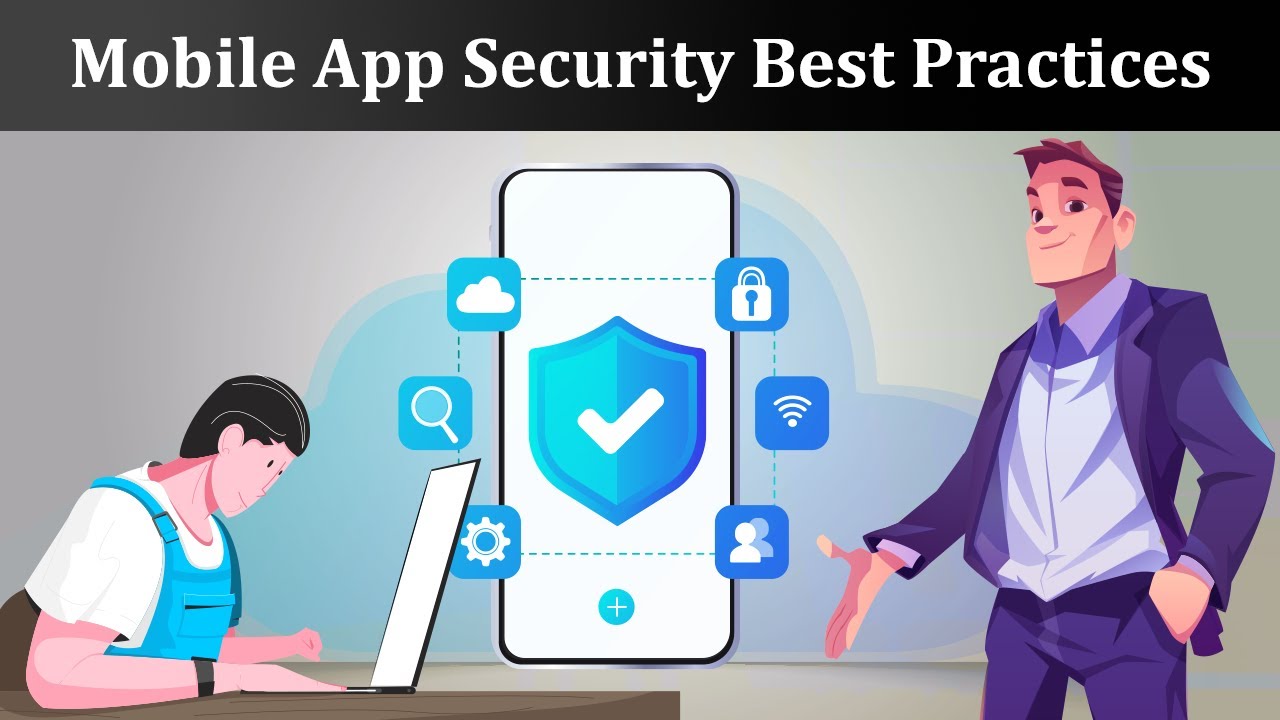
Understanding mobile app security risks and solutions helps developers create safer applications that users can trust.
Implementing Secure Development Lifecycle (SDLC)
A secure development lifecycle ensures that security is integrated into every phase of the development process. From planning to deployment, each stage should include security checks.
The secure software development lifecycle (SDLC) includes:
Requirement analysis with security in mind
Secure design and architecture
Continuous testing and monitoring
Post-deployment security updates
This approach minimizes risks and ensures long-term application security.
Protecting Against Common Cyber Threats
Cyber threats are constantly evolving, making it essential for businesses to stay updated with the latest security practices. Common threats include:
Malware attacks
Phishing scams
DDoS attacks
Data breaches
By implementing secure app development for small businesses, even smaller organizations can protect themselves from these risks.
Role of DevSecOps in Application Security
DevSecOps integrates security into the DevOps process, ensuring continuous monitoring and improvement. This approach emphasizes collaboration between development, security, and operations teams.
Benefits include:
Faster detection of vulnerabilities
Continuous security updates
Improved collaboration
Adopting DevSecOps aligns with modern cybersecurity in app development practices, making applications more resilient.
User Education and Awareness
While technical measures are essential, user awareness also plays a crucial role in security. Educating users about safe practices can prevent many security incidents.
Tips for users include:
Using strong passwords
Avoiding suspicious links
Updating applications regularly
Combining user awareness with technical security measures creates a robust defense system.
Compliance and Regulatory Standards
Many industries have strict regulations regarding data security. Compliance with standards such as GDPR, HIPAA, and others ensures that businesses meet legal requirements.
Following secure app development guidelines helps organizations stay compliant and avoid legal penalties.
Future Trends in Application Security
As technology evolves, new security challenges and solutions emerge. Trends shaping the future include:
AI-driven security systems
Zero-trust architecture
Biometric authentication
Staying updated with these trends ensures that businesses remain ahead of potential threats.
Conclusion
Security is no longer optional in web and mobile app development it is a necessity. By implementing web and mobile app security best practices, businesses can protect their applications, safeguard user data, and build trust with their audience.
From secure coding and encryption to regular testing and user education, every step plays a crucial role in creating a secure digital environment. Adopting a proactive approach to security ensures long-term success and resilience against cyber threats.