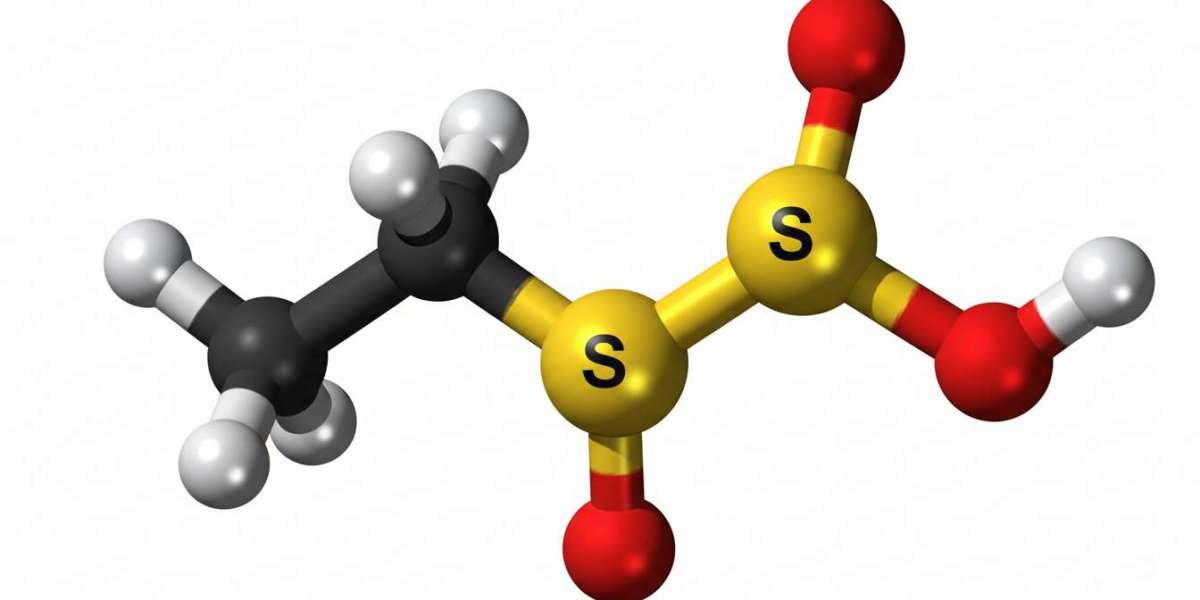

Ethylene sulfate is an important organic chemical compound that plays a significant role in modern industrial and electrochemical applications. It is mainly recognized for its stability and reactivity in specialized chemical processes, particularly in the field of lithium-ion battery technology. Over the past few decades, this compound has gained attention due to its ability to improve electrolyte performance and enhance energy storage efficiency.
In chemical research, ethylene sulfate is studied as a cyclic sulfate ester derived from ethylene glycol. Its structure allows it to participate in reactions that form stable protective layers in electrochemical systems. Because of these properties, it has become a valuable additive in advanced energy storage solutions.
What is Ethylene Sulfate?
Ethylene sulfate is an organic compound that belongs to the class of cyclic sulfate esters. It is formed when ethylene glycol reacts with sulfuric acid or other sulfating agents under controlled conditions. The resulting structure is a five-membered ring containing sulfur and oxygen atoms, which gives it unique chemical stability.
This compound is generally used as an intermediate or additive rather than a bulk chemical product. It is especially important in electrochemistry because it helps improve the performance and safety of battery electrolytes.
Chemical Structure and Properties
Ethylene sulfate has a cyclic molecular structure that contributes to its high reactivity in controlled environments. The molecule contains a sulfate group attached to an ethylene backbone, forming a ring-like structure.
Some key properties include:
- High chemical stability under normal conditions
- Reactivity in electrochemical reduction processes
- Ability to form solid electrolyte interphase (SEI) layers
- Moderate solubility in organic solvents
These properties make it particularly useful in applications where controlled decomposition is required to form protective layers on electrode surfaces.
Formation and Synthesis
Ethylene sulfate is typically synthesized through the reaction of ethylene glycol with sulfating agents such as sulfur trioxide or chlorosulfonic acid. The reaction is carefully controlled to avoid overreaction and unwanted byproducts.
The general process involves:
- Preparation of ethylene glycol as a starting material
- Introduction of a sulfating agent under low temperature
- Cyclization reaction forming the sulfate ring structure
- Purification of the final compound
This synthesis process requires precise temperature and reaction control because the compound is sensitive to hydrolysis under harsh conditions.
Physical and Chemical Behavior
Ethylene sulfate behaves as a reactive intermediate in many chemical systems. It is not typically used as a final product but instead functions as a functional additive.
Chemically, it decomposes under electrochemical conditions to form stable compounds that adhere to electrode surfaces. This decomposition is beneficial in battery systems, as it helps create a protective layer that prevents further degradation.
Physically, it is usually handled in liquid or dissolved form in laboratory and industrial environments.
Role in Lithium-Ion Batteries
One of the most important applications of ethylene sulfate is in lithium-ion battery technology. It is used as an electrolyte additive to improve battery performance, stability, and lifespan.
When added to battery electrolytes, ethylene sulfate decomposes during the initial charging cycles. This decomposition leads to the formation of a solid electrolyte interphase (SEI) layer on the anode surface.
This SEI layer is crucial because it:
- Prevents continuous electrolyte decomposition
- Enhances battery lifespan
- Improves thermal stability
- Reduces capacity loss over time
Because of these advantages, ethylene sulfate is widely studied in advanced battery research.
Industrial Applications
Apart from battery technology, ethylene sulfate has limited but important industrial applications. It is mainly used in:
- Electrochemical research and development
- Organic synthesis as an intermediate compound
- Specialty chemical manufacturing
- Energy storage material innovation
Its primary value lies in its role as a functional additive rather than a bulk industrial chemical.
Importance in Energy Storage Technology
Modern energy systems require efficient and long-lasting batteries. Ethylene sulfate contributes significantly to this goal by enhancing electrolyte stability and improving electrode protection.
In electric vehicles and portable electronics, battery performance is critical. The use of ethylene sulfate helps improve charging cycles, reduce degradation, and increase overall efficiency.
As renewable energy systems expand, the demand for high-performance batteries continues to grow, making compounds like ethylene sulfate increasingly important.
Safety and Handling
Ethylene sulfate must be handled carefully in laboratory and industrial settings. Although it is not highly volatile, it can react under certain conditions.
Safety considerations include:
- Use of protective equipment during handling
- Avoiding exposure to moisture
- Storage in controlled environments
- Proper disposal according to chemical safety regulations
Proper handling ensures safe use in research and manufacturing processes.
Future Research and Development
Ongoing research into ethylene sulfate focuses on improving battery technology and exploring new electrochemical applications. Scientists are investigating how variations in its structure can further enhance battery efficiency and stability.
Future developments may include:
- More efficient electrolyte formulations
- Improved energy density in batteries
- Longer-lasting energy storage systems
- Safer and more stable electrochemical materials
As technology advances, ethylene sulfate is expected to remain an important compound in energy research.
Conclusion
Ethylene sulfate is a valuable chemical compound with significant importance in modern electrochemistry and energy storage systems. Its unique ability to form protective layers in lithium-ion batteries makes it a key additive in improving battery performance and lifespan. Although its industrial applications are limited, its role in advanced technology continues to grow. With ongoing research, ethylene sulfate is expected to contribute even more to the future of sustainable energy and high-performance battery systems.