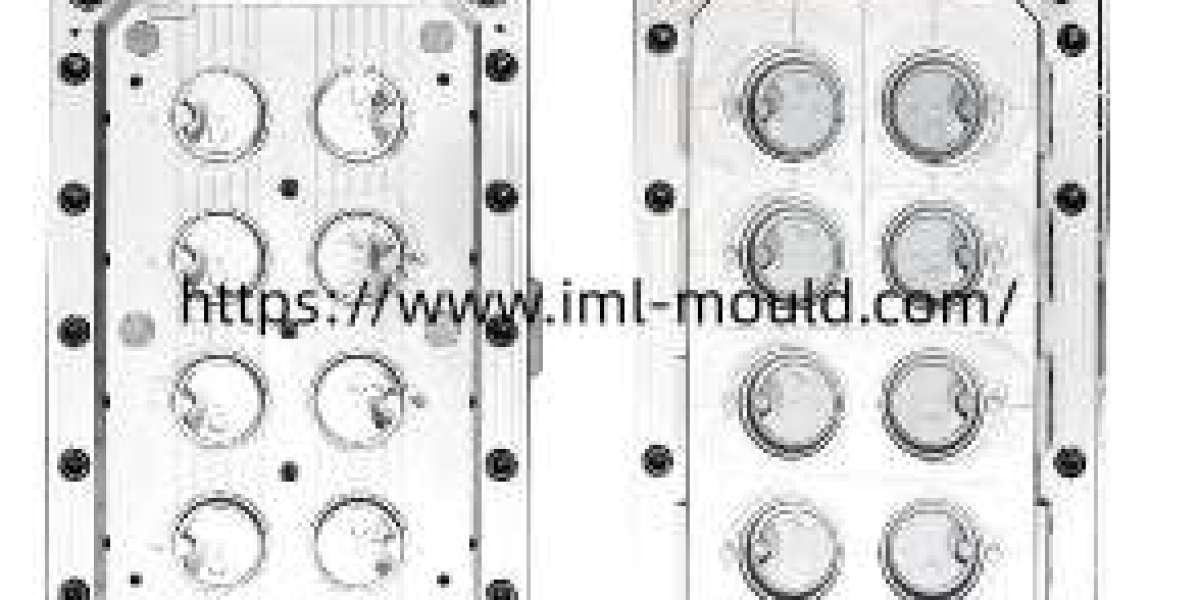

Plastic Cup Mould design plays a significant role in determining both the clarity and durability of finished cups, especially in applications where visual appearance and structural reliability are equally important. From beverage packaging to food service use, manufacturers rely on precise mould construction to achieve consistent and practical results.
Clarity is often one of the first qualities customers notice. Achieving a transparent or visually clean cup depends on multiple design elements within the mould. Surface finishing is a key factor, as a smooth cavity can help reduce visible imperfections on the final product. Even small inconsistencies in the mould surface may lead to haze or uneven textures. In addition, proper gate design allows molten material to flow evenly, reducing the likelihood of flow marks that can affect appearance.
Cooling system design also has a direct impact on clarity. Uniform cooling helps maintain consistent material distribution, preventing internal stress that may cause cloudiness or distortion. When cooling channels are arranged effectively, the mould can support stable production cycles while preserving the visual quality of each cup. Hengqi considers these aspects carefully during the design phase to align with practical manufacturing requirements.
Durability is another essential consideration, particularly for cups used in transport, stacking, or repeated handling. Wall thickness plays a central role here. A balanced thickness ensures that the cup maintains its shape without adding unnecessary material weight. If the walls are too thin, the product may become prone to deformation, while overly thick sections can lead to uneven cooling and structural stress.
Material compatibility further influences durability. Different plastic materials behave differently under heat and pressure, and the mould must be designed to accommodate these characteristics. Proper venting, gate placement, and ejection systems help maintain the integrity of the cup during production and removal from the mould. Hengqi works with clients to match mould configurations with selected materials, helping to support reliable outcomes.
Another factor that connects both clarity and durability is precision machining. Accurate mould dimensions ensure that each cup meets design specifications, reducing variations between production batches. This consistency is especially important for businesses that require uniform products for branding or packaging purposes.
In addition, production efficiency benefits from thoughtful mould design. When the mould operates smoothly, cycle times remain stable, and the risk of defects decreases. This contributes to a more predictable manufacturing process, which is valuable for managing supply schedules and maintaining product availability.
Communication between the manufacturer and the client also supports better results. Clear discussions about design expectations, usage conditions, and production goals allow the mould to be tailored more effectively. Hengqi maintains a structured approach to project coordination, helping clients navigate technical decisions with practical input.
As demand for clear and durable plastic cups continues across various industries, the importance of mould design remains evident. Careful attention to structure, material behavior, and production processes can make a noticeable difference in final product performance.
For those looking to understand more about mould development and manufacturing solutions, visiting https://www.iml-mould.com/ provides additional information and insights to support your next project.