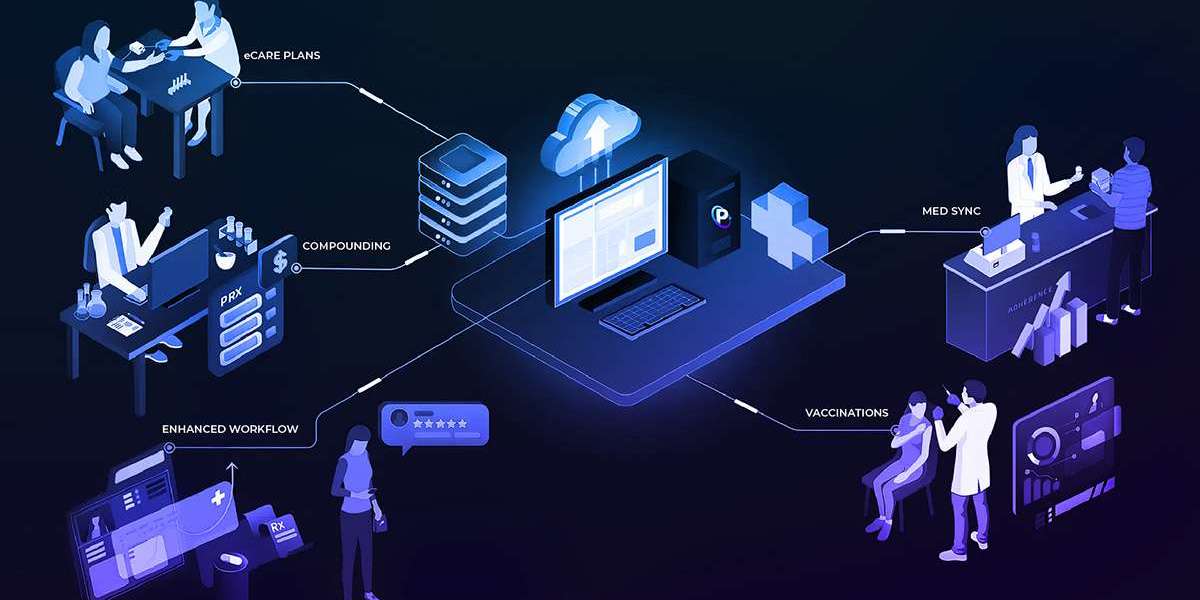

Pathology and diagnostic centers play a critical role in modern healthcare by providing accurate test results that support disease diagnosis, treatment planning, and patient monitoring. As patient volumes continue to increase, laboratories must process large numbers of samples quickly and accurately while maintaining strict quality standards. Traditional paper-based systems often create operational inefficiencies, delays, and errors that can affect patient care.
To meet the demands of modern healthcare, pathology and diagnostic centers are increasingly adopting Laboratory Information Management Software. These digital systems help laboratories automate workflows, improve reporting accuracy, and manage patient data efficiently.
Understanding Laboratory Information Management Software
Laboratory Information Management Software, commonly known as LIMS, is a digital platform designed to manage laboratory workflows, patient records, sample tracking, and reporting processes. It centralizes laboratory operations into a single system, making it easier for staff to organize and monitor daily activities.
The software automates multiple laboratory functions, reducing the need for manual paperwork and repetitive administrative tasks. From sample collection to final report delivery, every stage of the laboratory process can be managed digitally for better efficiency and accuracy.
The Importance of Digital Systems in Pathology Centers
Pathology centers handle sensitive diagnostic procedures such as blood analysis, tissue examination, microbiology testing, and histopathology reporting. These processes generate large amounts of data that must be stored and managed accurately.
Manual systems often make it difficult to maintain speed and organization, especially when dealing with high patient volumes. Digital management systems help pathology laboratories streamline operations while reducing the risk of delays and reporting errors.
Improving Sample Tracking and Identification
Sample management is one of the most critical aspects of pathology and diagnostic laboratories. Mislabeling or losing a sample can lead to incorrect diagnoses and serious healthcare complications.
Laboratory management software improves sample tracking by assigning unique identification numbers or barcodes to each specimen. Staff can monitor the sample’s progress throughout the testing process, ensuring accurate handling and reducing the chances of errors.
Faster Test Processing and Reporting
Patients and healthcare providers rely on timely laboratory reports for effective medical treatment. Delays in report generation can slow diagnosis and affect patient care, particularly in urgent medical cases.
Laboratory software automates reporting workflows, allowing diagnostic centers to generate and deliver reports much faster. Once testing is completed, reports can be shared electronically with doctors and patients, reducing waiting times and improving service quality.
Enhancing Accuracy and Reliability
Accuracy is essential in pathology and diagnostic testing because medical decisions depend on precise laboratory results. Manual data entry increases the risk of transcription errors, incomplete records, and duplicate information.
Automated systems improve reliability by reducing human involvement in repetitive tasks. Integration with laboratory instruments also allows test results to transfer directly into the system, minimizing errors and ensuring consistent reporting standards.
Streamlining Workflow Management
Pathology laboratories involve multiple departments and testing stages that require smooth coordination. Without efficient workflow management, laboratories may experience delays, confusion, and operational inefficiencies.
Laboratory management systems streamline workflows by organizing tasks digitally and monitoring progress in real time. Supervisors can track pending tests, completed procedures, and staff performance, improving coordination across departments.
Centralized Data Management
Diagnostic centers generate vast amounts of patient information, test records, and quality control data daily. Storing this information manually can make retrieval difficult and increase the risk of data loss.
A centralized digital system securely stores all laboratory information in one place. Authorized staff can access patient records and historical reports instantly, improving operational efficiency and supporting better healthcare decisions.
Better Communication With Healthcare Providers
Effective communication between laboratories and healthcare providers is essential for timely patient care. Manual reporting systems often create delays in sharing information with doctors and hospitals.
Laboratory software improves communication by enabling instant electronic sharing of reports and updates. Doctors can access diagnostic results quickly, helping them make faster and more informed treatment decisions.
Strengthening Data Security and Patient Confidentiality
Pathology and diagnostic centers handle highly sensitive patient information that must remain confidential. Paper-based records are vulnerable to theft, loss, and unauthorized access.
Modern laboratory software includes advanced security features such as encrypted databases, role-based access controls, and password protection. These measures help safeguard patient data while ensuring authorized personnel can access information securely.
Supporting Quality Control and Compliance
Diagnostic laboratories must comply with strict healthcare regulations and quality standards to maintain accreditation and patient trust. Managing compliance manually can be time-consuming and difficult to monitor consistently.
Laboratory management systems support compliance by maintaining audit trails, automated documentation, and quality control records. This helps pathology centers meet regulatory requirements while improving operational transparency and accountability.
Improving Inventory and Resource Management
Pathology and diagnostic centers rely on testing kits, reagents, chemicals, and medical supplies to maintain continuous operations. Poor inventory management can result in shortages, expired materials, and increased operational costs.
Laboratory software helps monitor inventory levels in real time and sends alerts when supplies need replenishment. This ensures laboratories maintain adequate stock levels while minimizing waste and unnecessary spending.
Increasing Productivity in Diagnostic Centers
Automation allows laboratory staff to spend less time on paperwork and more time focusing on diagnostics and patient care. Reducing administrative workload improves productivity and operational efficiency.
Higher productivity enables diagnostic centers to process more tests within shorter timeframes without compromising quality. This also helps laboratories handle increasing patient volumes more effectively while reducing operational stress.
Integration With Modern Healthcare Systems
Modern healthcare facilities rely on interconnected digital systems to improve patient experiences and operational efficiency. Laboratories must integrate smoothly with hospitals, clinics, and electronic medical record systems.
Laboratory software supports integration with healthcare platforms, allowing seamless communication between departments. This reduces duplicate data entry and ensures healthcare providers receive accurate information in real time.
The Future of Pathology and Diagnostic Laboratories
Technology continues to transform the healthcare industry, and pathology laboratories are becoming more dependent on digital systems and automation. Artificial intelligence, cloud computing, and advanced analytics are shaping the future of laboratory diagnostics.
Laboratories that adopt modern management systems are better positioned to handle future healthcare challenges. Digital transformation helps diagnostic centers remain competitive while improving patient care and operational performance.
Conclusion
Pathology and diagnostic centers require efficient systems that can manage increasing workloads while maintaining speed, accuracy, and reliability. Manual workflows often create delays, errors, and operational inefficiencies that affect healthcare services. Digital management solutions have become essential for laboratories aiming to improve performance and patient outcomes.
Healthcare technology providers like Instacare.com.pk are helping pathology and diagnostic centers modernize operations with advanced lab management solutions. By implementing smart laboratory information management software, healthcare facilities can improve workflow efficiency, strengthen data security, enhance reporting accuracy, and prepare for the future of diagnostic healthcare.