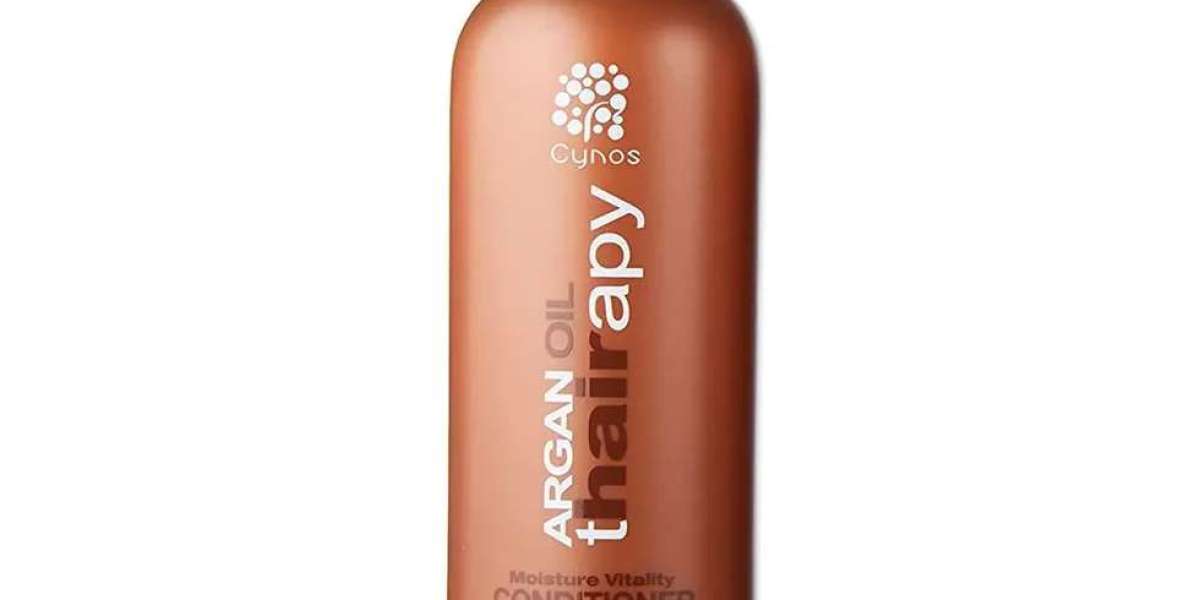

Keeping hair properly hydrated is one of the most important parts of any effective haircare routine. However, many people struggle with a common problem: they try to moisturize their hair, but end up making it greasy, heavy, and flat. This usually happens when hydration and oil balance are misunderstood or when the wrong products and techniques are used.
In 2026, modern haircare has moved toward lightweight hydration methods that nourish hair without clogging the scalp or weighing down the strands. The goal is simple: provide enough moisture to keep hair soft, shiny, and healthy while maintaining volume and freshness.
Understanding the Difference Between Hydration and Oiliness
Before fixing greasy hair issues, it is important to understand the difference between hydration and oiliness.
Hydration refers to water content in the hair strand. It makes hair soft, flexible, and less prone to breakage. Oils, on the other hand, are used to seal that moisture inside the hair shaft.
When people confuse the two and apply too much oil or heavy products, hair becomes greasy instead of hydrated. True hydration comes from water-based products, while oils should be used in moderation to lock in moisture—not replace it.
Step 1: Use Lightweight, Water-Based Products
The foundation of non-greasy hydration is choosing the right products. Heavy creams and thick oils can easily build up on the scalp and make hair look oily.
Instead, opt for:
Water-based conditioners
Lightweight leave-in sprays
Gel-based moisturizers
Hydrating serums with hyaluronic acid or aloe vera
These products absorb quickly into the hair without leaving residue, ensuring hydration without heaviness.
Step 2: Don’t Over-Wash Your Hair
Over-washing is one of the most common mistakes that leads to greasy or imbalanced hair. When you wash your hair too frequently, the scalp produces excess oil to compensate for the loss of natural moisture.
The ideal washing routine is 2–3 times per week, depending on your hair type. This helps maintain a natural balance between hydration and oil production.
Use a mild, sulfate-free shampoo to avoid stripping essential oils completely.
Step 3: Apply Conditioner Only to the Lengths
One of the biggest causes of greasy roots is incorrect conditioner application. Many people apply conditioner directly to the scalp, which leads to buildup and oiliness.
To avoid this, always apply conditioner from mid-length to ends only. These are the oldest and driest parts of your hair and need the most moisture.
This simple adjustment ensures your scalp stays fresh while your hair lengths remain hydrated.
Step 4: Use the Right Amount of Product
More product does not always mean better results. In fact, using too much conditioner, serum, or oil can easily weigh hair down and make it look greasy.
A small, pea-sized amount of leave-in product is often enough for fine hair. For thicker hair, slightly more can be used—but always start small and build gradually if needed.
Proper portion control is key to maintaining balance.
Step 5: Focus on Scalp Health, Not Scalp Oiliness
A healthy scalp naturally regulates oil production. If your scalp is unhealthy or overly stripped, it may produce more oil than necessary.
To maintain scalp health:
Keep it clean but not over-cleansed
Use mild exfoliation once a week
Avoid heavy product buildup on roots
Massage gently to improve circulation
When the scalp is balanced, hair stays hydrated without becoming greasy.
Step 6: Use Oil Treatments Smartly
Oils are not the enemy they just need to be used correctly. Heavy oiling can make hair greasy, but controlled oil treatments can provide deep nourishment.
Best practices include:
Use lightweight oils like argan or jojoba
Apply only once or twice a week
Focus on mid-lengths and ends
Wash thoroughly after treatment
Oils should enhance hydration, not replace it or overload the scalp.
Step 7: Avoid Silicone Buildup
Many hair products contain silicones that create temporary smoothness but can build up over time, making hair heavy and greasy.
To prevent this:
Use clarifying shampoo once every 1–2 weeks
Choose lightweight, water-soluble silicones if needed
Avoid layering too many styling products
This helps keep hair fresh and allows hydration products to work more effectively.
Step 8: Improve Drying Techniques
How you dry your hair also affects oiliness and hydration balance. Rough drying or leaving hair damp for too long can cause both frizz and scalp imbalance.
Best practices:
Gently pat hair dry with a microfiber towel
Avoid rubbing vigorously
Let hair air-dry when possible
Use low heat settings if blow-drying
Proper drying keeps hair light and prevents excess oil accumulation.
Step 9: Maintain a Balanced Diet and Hydration
Healthy hair starts from within. If your body is dehydrated or lacks essential nutrients, your scalp may produce more oil to compensate.
Include:
Plenty of water daily
Omega-3 fatty acids for scalp balance
Vitamins A, C, and E for hair strength
Protein-rich foods for repair
Internal hydration is just as important as external care.
Step 10: Choose Smart Haircare Solutions
The final step is selecting products that are specifically designed to hydrate without heaviness. Modern formulations focus on lightweight moisture delivery instead of thick, greasy coatings.
Look for ingredients such as aloe vera, hyaluronic acid, argan oil, and botanical extracts that nourish without clogging the scalp.
Freecia’s Approach to Balanced Hydration
Freecia focuses on developing advanced haircare solutions that provide deep hydration without heaviness or greasiness. The brand uses carefully balanced formulations that combine moisture-rich ingredients with lightweight textures, helping users achieve soft, manageable, and naturally shiny hair.
Freecia’s approach emphasizes scalp-friendly hydration, ensuring that hair remains fresh, voluminous, and healthy-looking throughout the day without buildup or oiliness.
Conclusion
Hydrating your hair without making it greasy is all about balance, technique, and product selection. By using lightweight formulas, applying products correctly, avoiding overuse, and maintaining scalp health, you can achieve soft, shiny, and healthy hair without any heaviness.
Consistency is key small changes in your routine can lead to long-term improvement in hair texture and appearance.
With advanced solutions from Freecia, it becomes easier to maintain the perfect balance of hydration and freshness. Many users now prefer these modern solutions as part of their daily routine, especially when looking for the Best Argan Oil Conditioners in Pakistan.