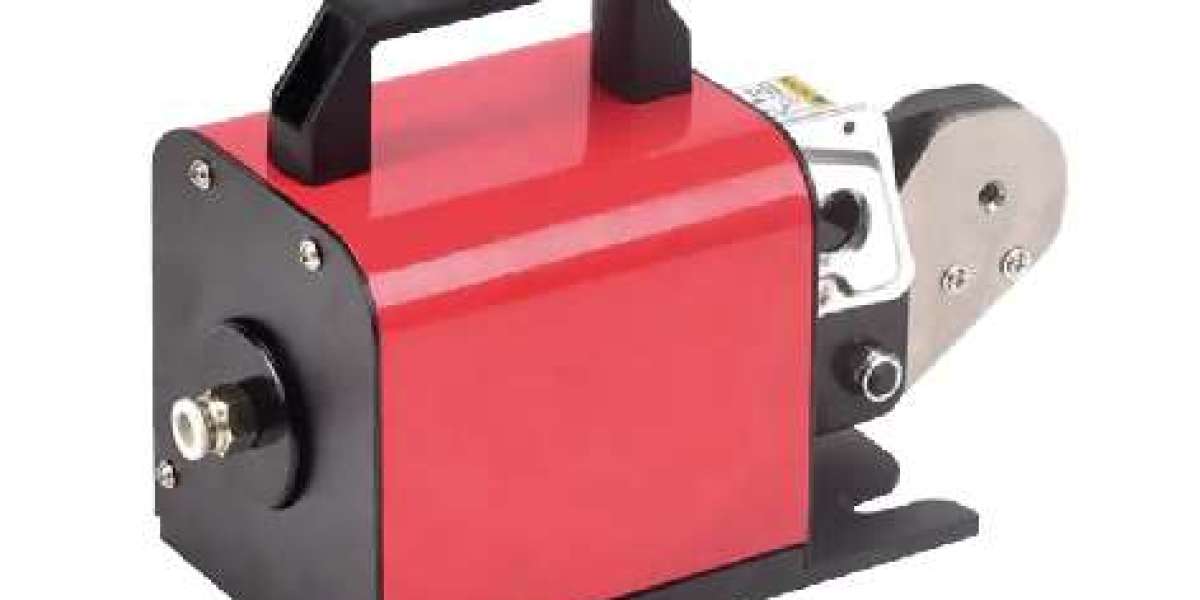

In wire processing, crimp quality is critical. Poor crimps can cause voltage drops, intermittent signals, or even overheating. Many manufacturers now rely on a pneumatic terminal crimping machine to solve these problems, replacing inconsistent manual tools. Once the air pressure is set, the machine applies the same force to every terminal, ensuring uniform crimp height and reliable electrical connections. Small terminals, which are sensitive to pressure variations, particularly benefit from this consistency.
The advantages extend beyond quality. Operators position the wire and terminal while the pneumatic system does the work, minimizing fatigue and keeping cycle times steady across long shifts. High-volume production, like automotive harnesses or appliance wiring, benefits from hundreds of additional accurate crimps daily. Many pneumatic machines also integrate monitoring systems, alerting operators if force curves deviate, further reducing scrap and rework.
Flexibility is another strength. Interchangeable die sets let a single pneumatic terminal crimping machine handle multiple terminal types in under a minute, covering insulated, non-insulated, and open-barrel contacts. This adaptability makes it suitable for semi-automated workflows, where wires may be stripped manually or with a benchtop system before mechanical termination. Maintenance is straightforward, and long-term reliability is high due to the simple design of pneumatic cylinders.
For shops terminating hundreds or thousands of wires daily, a pneumatic terminal crimping machine delivers measurable improvements: consistent crimps, faster throughput, reduced fatigue, and lower scrap. Its combination of precision and practicality keeps it a trusted choice in wire harness, cable assembly, and control panel production.