
The Fish Cage Culture System is widely applied in aquaculture projects because it creates a controlled environment for fish production within natural water bodies. Floating cages are installed in areas such as reservoirs, rivers, lakes, and marine regions where water movement supports oxygen circulation. The system allows fish farming operations to expand while reducing the need for extensive land construction.
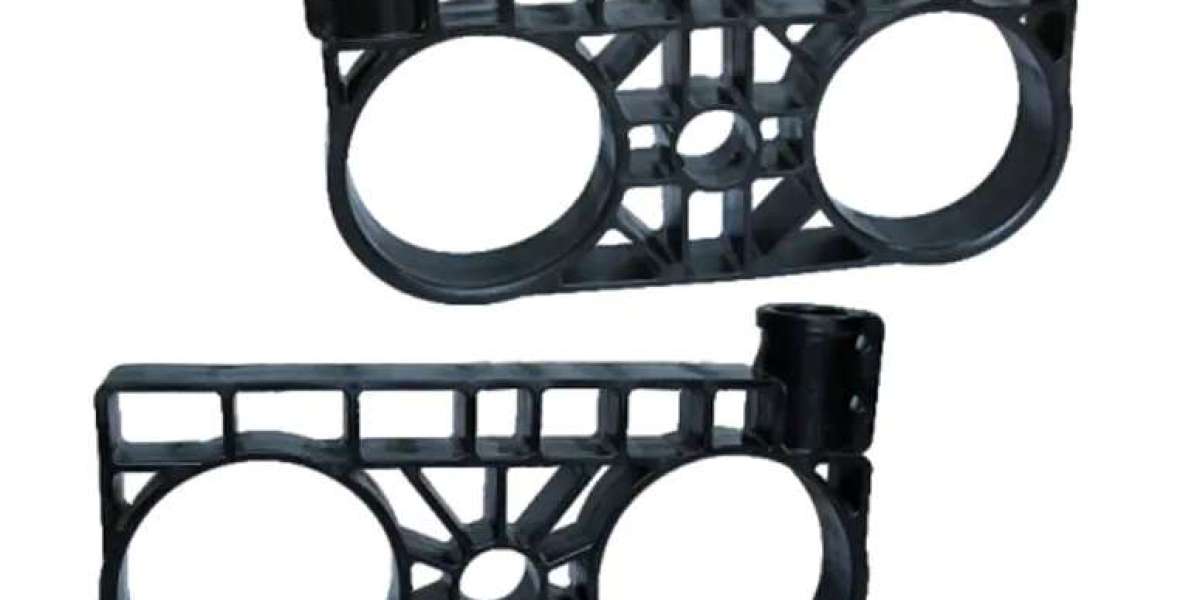
A standard Fish Cage Culture System includes floating components, cage nets, anchoring equipment, and service platforms. The design of these structures may vary depending on environmental conditions and target fish species. Circular cages are often used in offshore environments because their shape can distribute pressure from waves more evenly. Square or rectangular structures are commonly seen in protected waters where wave activity is relatively lower.
Water movement directly affects fish growth conditions. Moderate currents help improve oxygen transfer and reduce the accumulation of waste materials beneath the cages. Excessive water movement, however, may increase stress among fish populations and place additional pressure on cage structures. Site evaluation therefore becomes an important stage before project installation.
Fish stocking density is another key factor in the operation of a Fish Cage Culture System. High stocking rates may increase competition for space and feed resources. Lower densities can improve water movement within cages and support healthier growth conditions. Farmers often determine stocking levels according to fish species, environmental capacity, and feeding plans.
Regular health observation is also necessary in cage aquaculture. During feeding periods, workers monitor fish activity, swimming patterns, and feed intake. Changes in fish behavior may indicate environmental shifts or health concerns. Early observation helps reduce potential losses and supports stable production activities.
Weather conditions influence the operation of a Fish Cage Culture System throughout the year. Strong wind, rainfall, and wave activity may affect cage stability and maintenance schedules. Reinforced anchoring systems and durable floating structures are often used in regions with changing environmental conditions.
The integration of technology continues to support cage farming development. Underwater monitoring equipment, automatic feeders, and environmental sensors provide useful information that assists aquaculture operators in making daily management decisions.