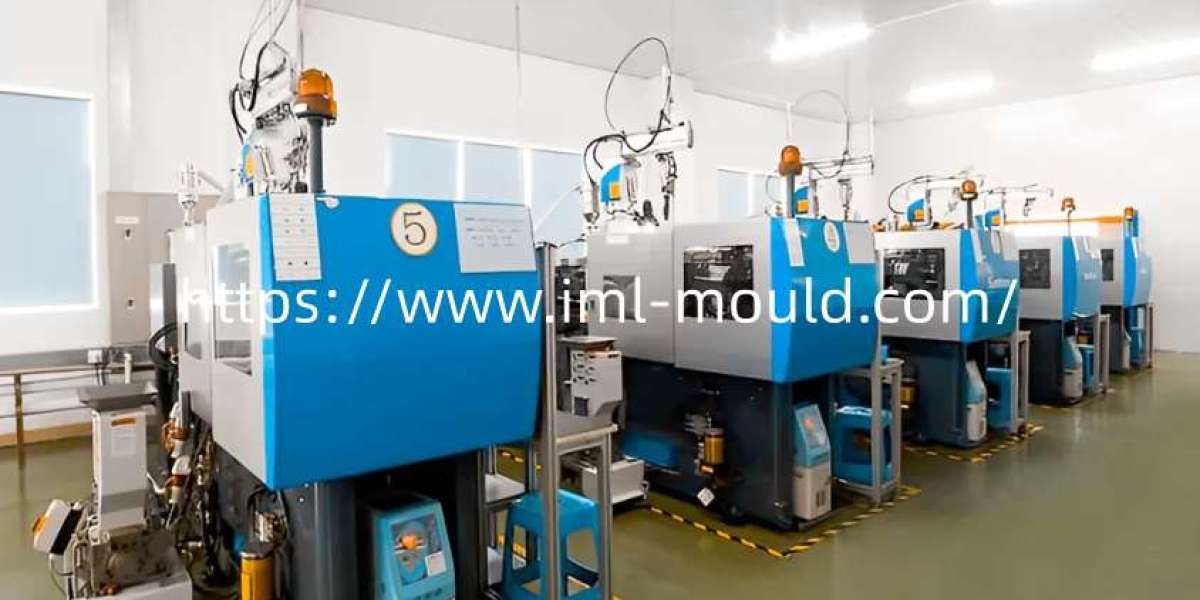

Precision Mould performance is often evaluated based on visible outcomes such as product quality, cycle time, and production stability. However, in real manufacturing environments, there are several less obvious factors that can influence overall performance. These hidden elements may not be immediately noticeable during early production stages, but they can gradually affect efficiency and consistency over time.
One of the key hidden factors is temperature variation during operation. Even small fluctuations in mould temperature can influence material flow, cooling speed, and final product appearance. When temperature distribution is not fully balanced, it may lead to inconsistent cycle behavior. This is why thermal control systems and cooling channel design are important considerations in tooling development.
Another important aspect is material behavior. Different plastic materials respond differently under pressure, heat, and injection speed. If material properties are not fully matched with tooling design, production stability may be affected. Factors such as viscosity, shrinkage rate, and flow characteristics need to be evaluated during early project planning.
Tool wear and long-term maintenance also play a significant role. Over time, repeated production cycles may cause gradual wear on critical mould components. This wear may not be immediately visible but can influence product accuracy and surface quality. Regular inspection and preventive maintenance scheduling can help reduce unexpected variations in output.
Assembly accuracy is another factor that can affect performance. Even slight misalignment between components can influence product formation during injection. This includes issues related to cavity positioning, ejector alignment, and sealing surfaces. Proper calibration during setup and periodic checks during production are important for maintaining stable operation.
Environmental conditions in the production facility may also contribute to performance variation. Humidity, ambient temperature, and machine stability can all interact with tooling systems in subtle ways. While these factors are often overlooked, they can have an impact on long production runs, especially in high-volume manufacturing environments.
Process control settings such as injection pressure, holding time, and cooling duration are equally important. If these parameters are not consistently maintained, production results may vary even when the tooling itself remains unchanged. Many manufacturers use monitoring systems to track these variables and ensure stable operating conditions.
Design communication between engineering teams and production teams is another hidden factor. When product requirements are not clearly communicated, adjustments during production may be required. Early collaboration can help align expectations and reduce unnecessary modifications later in the process.
Hengqi works with customers in different industries that require stable and reliable tooling solutions. Each project involves careful evaluation of design requirements, material selection, and production conditions. By focusing on practical engineering considerations, Hengqi supports customers in achieving more consistent manufacturing performance across different applications.
As manufacturing environments continue to evolve, companies are paying more attention to these less visible influences on production. Understanding and managing hidden factors can help improve overall process stability and reduce unexpected disruptions during operation.
For more information about tooling solutions and manufacturing capabilities, please visit https://www.iml-mould.com/ where Hengqi provides detailed product and project information.