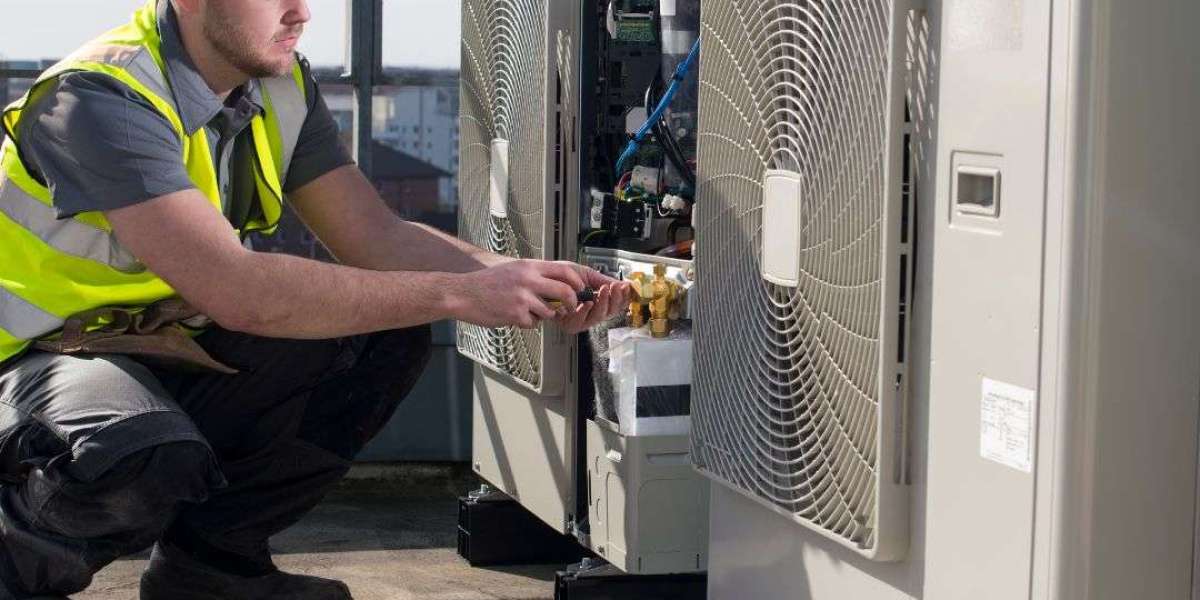

If you want your air conditioning system in Dorset to last longer, run efficiently, and avoid expensive breakdowns, proper maintenance is the key. Most modern HVAC systems typically last 10–15 years, but with consistent care they can often reach the upper end of that range or beyond.
In a coastal and variable climate like Dorset, where humidity, salt air, and seasonal temperature changes put extra stress on equipment, extending AC lifespan becomes even more important.
Why AC Systems Wear Out Faster in Dorset
Air conditioners don’t fail randomly—most wear comes from environmental and maintenance issues:
- Coastal salt air corrosion damages coils and electrical parts
- High humidity increases workload on compressors
- Dust and debris buildup reduces airflow efficiency
- Lack of servicing causes hidden faults to grow
Over time, these factors force the system to work harder, increasing energy use and reducing lifespan.
1. Schedule Regular Professional Servicing
The most important step to extend AC lifespan is routine maintenance.
A professional HVAC technician will:
- Clean coils and filters
- Check refrigerant levels
- Inspect wiring and electrical components
- Identify early mechanical faults
Regular servicing helps prevent small issues turning into major failures and keeps efficiency high.
Recommended frequency:
- At least once per year
- Ideally twice per year (before summer and winter)
2. Keep Filters Clean and Replace Them Regularly
Dirty air filters are one of the fastest ways to damage an AC system.
When filters clog:
- Airflow becomes restricted
- The compressor works harder
- Energy consumption increases
- Components wear out faster
Best practice:
- Check filters every 1–2 months
- Replace or clean every 1–3 months depending on usage
This simple habit alone can significantly extend system lifespan.
3. Protect and Clean the Outdoor Unit
Your outdoor condenser is exposed to Dorset’s weather year-round.
To extend its life:
- Keep at least 2–3 feet clearance around it
- Remove leaves, grass, and debris regularly
- Gently clean condenser fins (no pressure washing)
- Avoid blocking airflow with fences or plants
Good airflow helps heat escape efficiently, reducing stress on the compressor.
4. Improve Energy Efficiency with Smart Usage
How you use your AC matters just as much as maintenance.
Best practices include:
- Avoid running at extremely low temperatures constantly
- Use programmable thermostats
- Turn off or reduce usage when not needed
- Combine with ceiling fans for balanced cooling
Reducing constant heavy workload helps the system last years longer.
5. Ensure Proper Installation and System Sizing
Incorrect installation is a hidden cause of early AC failure.
Problems include:
- Oversized units (short cycling)
- Undersized units (constant running)
- Poor airflow design
- Incorrect refrigerant charge
A properly sized and installed system runs smoothly, uses less energy, and lasts significantly longer.
6. Keep Coils and Ducts Clean
Both indoor and outdoor coils are critical for heat transfer.
If they get dirty:
- Cooling performance drops
- Energy use increases
- Compressor strain increases
Regular coil cleaning and duct inspection ensures smooth airflow and prevents unnecessary wear.
7. Reduce Environmental Strain
Small environmental changes can make a big difference:
- Provide partial shade for outdoor units (without blocking airflow)
- Keep vegetation trimmed back
- Avoid placing hot exhaust or clutter near the system
- Improve home insulation to reduce cooling demand
These steps reduce how hard your AC has to work daily.
Common Signs Your AC Is Aging
Even well-maintained systems eventually wear down. Watch for:
- Weak or uneven cooling
- Strange noises (grinding, rattling)
- Rising electricity bills
- Frequent repairs
- Unpleasant odors
If these appear often, the system may be approaching end of life.
Final Thoughts
Extending AC lifespan in Dorset is mainly about preventive maintenance, airflow management, and smart usage habits. A well-maintained system not only lasts longer but also runs more efficiently and costs less to operate.
If you combine regular servicing with simple habits like filter changes and outdoor unit care, your AC system can stay reliable for many years—even in challenging coastal conditions.