
Introduction
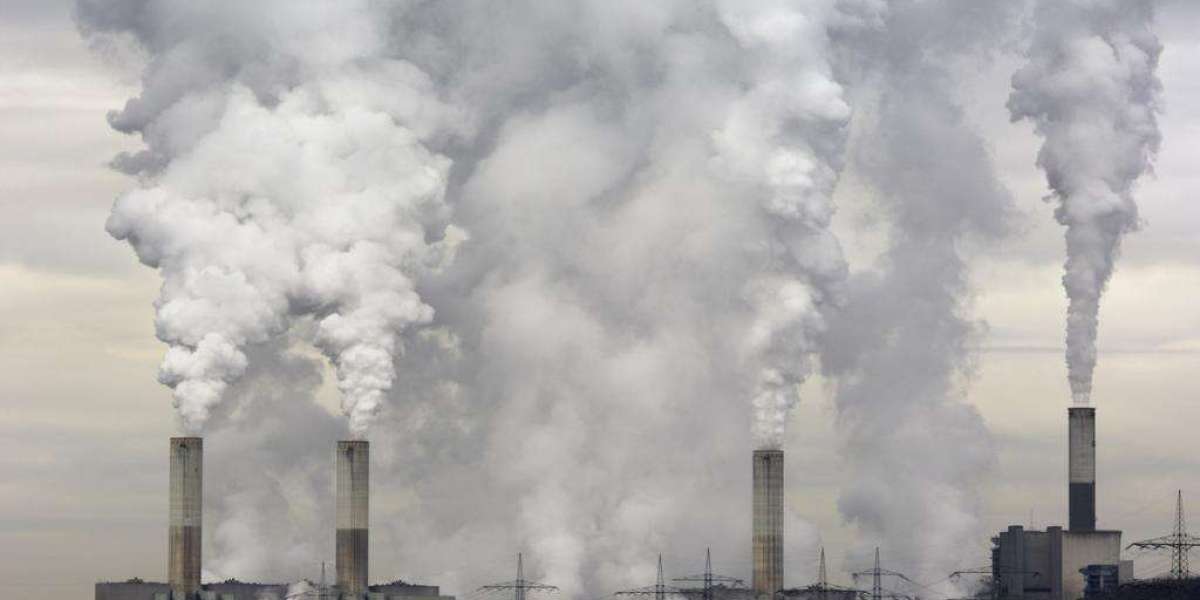
At the same time, these developments have contributed to air pollution, water contamination, soil degradation, loss of biodiversity, and climate-related concerns. Governments and courts have therefore sought legal mechanisms that ensure those responsible for environmental harm bear the costs associated with restoring ecological balance.
One of the most influential concepts developed for this purpose is the Polluter Pays Principle. Widely recognized across jurisdictions, the principle seeks to prevent environmental damage by assigning financial responsibility to the party causing pollution. Rather than shifting cleanup and restoration costs to taxpayers or affected communities, the principle ensures that polluters internalize the costs of their activities.
Today, the polluter pays principle in environmental law serves as a cornerstone of environmental governance. It influences legislation, judicial decisions, regulatory frameworks, and corporate compliance obligations. Understanding its origins, evolution, and practical application is essential for businesses, policymakers, environmental professionals, and legal practitioners alike.
Understanding the Polluter Pays Principle
The Polluter Pays Principle is based on a straightforward idea: any person, company, or entity responsible for causing environmental damage should bear the expenses associated with preventing, controlling, and remedying that damage.
The principle emerged prominently through international environmental policy discussions during the latter half of the twentieth century. It was promoted by organizations and governments seeking economic tools that would discourage pollution while encouraging sustainable business practices.
Under this principle, environmental costs are not treated as external burdens imposed on society. Instead, these costs become part of the operational expenses of the polluting entity. This approach promotes fairness while creating financial incentives for cleaner production methods and responsible resource management.
The principle extends beyond simple compensation. It may include expenses related to environmental restoration, rehabilitation of affected ecosystems, monitoring costs, regulatory penalties, public health impacts, and preventive measures necessary to avoid future damage.
Historical Development of the Principle
The concept gained international recognition through environmental policy initiatives undertaken by the Organisation for Economic Co-operation and Development (OECD) during the 1970s. The objective was to ensure that industries incorporated environmental costs into their production processes rather than transferring those costs to society.
Subsequently, the principle found support in major international environmental declarations and agreements. It became closely linked with sustainable development, environmental justice, and responsible industrial growth.
Over time, courts and regulators across different jurisdictions expanded the principle's scope. What initially functioned as an economic policy tool gradually evolved into a legal doctrine capable of imposing liability and remediation obligations on polluters.
Today, many countries incorporate the principle into environmental statutes, regulatory frameworks, and judicial decisions. It is frequently invoked when addressing industrial accidents, hazardous waste disposal, groundwater contamination, oil spills, mining impacts, and air pollution violations.
The Polluter Pays Principle in Environmental Law
The growing importance of environmental protection has elevated the polluter pays principle in environmental law from a policy guideline to a substantive legal doctrine.
Environmental laws increasingly require industries and project developers to assess environmental impacts before commencing operations. Where damage occurs, authorities may direct responsible entities to undertake restoration measures or reimburse the costs incurred by public agencies.
The principle serves several important functions:
Promotes environmental accountability.
Encourages pollution prevention.
Reduces public expenditure on cleanup activities.
Supports sustainable industrial practices.
Creates economic incentives for compliance.
Strengthens environmental governance.
By assigning liability to polluters, the law seeks not only to address existing damage but also to deter future violations. Businesses are encouraged to invest in pollution-control technologies, environmental management systems, and compliance programs that reduce long-term legal and financial risks.
Importance of the Principle for Sustainable Development
Sustainable development requires balancing economic growth with environmental protection. The Polluter Pays Principle contributes significantly to this objective.
Without such a framework, environmental degradation often becomes a public burden. Governments may be forced to spend substantial resources cleaning rivers, restoring forests, rehabilitating contaminated land, or addressing health consequences resulting from pollution.
When polluters are held financially accountable, businesses are encouraged to adopt environmentally responsible practices. Cleaner technologies, waste reduction strategies, energy efficiency measures, and sustainable resource management become economically attractive alternatives.
Furthermore, the principle promotes market fairness. Companies that invest in environmental compliance should not be placed at a competitive disadvantage compared to entities that ignore environmental responsibilities. By ensuring that polluters bear the costs of environmental harm, the principle helps create a level playing field.
Judicial Recognition and Environmental Accountability
Courts around the world have played a critical role in strengthening environmental protection through judicial interpretation of environmental principles.
A notable polluter pays principle case often involves situations where industrial activities have caused significant ecological damage affecting local communities. Courts frequently emphasize that environmental restoration should not depend on public funding when a responsible party can be identified.
Judicial decisions have expanded the principle beyond mere compensation. Courts increasingly recognize that environmental harm may have long-term ecological consequences requiring comprehensive remediation efforts. Consequently, responsible entities may be directed to undertake restoration measures rather than simply paying monetary damages.
This approach reflects a broader understanding that environmental protection involves preserving ecological systems for future generations, not merely compensating current losses.
Corporate Responsibility and Compliance
Modern businesses operate within an environment where environmental compliance is no longer optional. Investors, consumers, regulators, and communities increasingly expect companies to demonstrate environmental responsibility.
The Polluter Pays Principle has become an important component of corporate environmental governance. Businesses must assess environmental risks associated with their operations and implement systems designed to prevent pollution incidents.
Key compliance measures often include:
Environmental impact assessments.
Waste management programs.
Pollution monitoring systems.
Emergency response planning.
Sustainable resource utilization.
Employee environmental training.
Regular compliance audits.
Failure to implement these measures can result in significant legal, financial, and reputational consequences. In many jurisdictions, regulators may impose remediation costs, penalties, and operational restrictions where environmental violations occur.
As environmental standards continue to evolve, organizations that proactively integrate sustainability into their business models are often better positioned to manage risks and maintain stakeholder trust.
Challenges in Implementing the Principle
Despite its widespread acceptance, implementing the Polluter Pays Principle presents several practical challenges.
One major difficulty involves identifying the responsible party in cases involving cumulative or historical pollution. Environmental damage may result from the actions of multiple entities over an extended period, making liability allocation complex.
Another challenge relates to measuring environmental harm. Ecosystems possess ecological, social, cultural, and economic value that may be difficult to quantify accurately. Determining the appropriate cost of restoration can therefore become a contentious issue.
Cross-border environmental damage presents additional complications. Pollution generated in one jurisdiction may affect neighboring regions or countries, raising questions regarding regulatory authority and enforcement mechanisms.
Small businesses and developing economies may also face concerns regarding compliance costs. Policymakers must balance environmental objectives with economic realities while ensuring that environmental protection standards remain effective.
Nevertheless, these challenges do not diminish the importance of the principle. Instead, they highlight the need for stronger regulatory frameworks, scientific expertise, and effective enforcement mechanisms.
The Role of Environmental Regulators
Environmental regulators serve as the primary institutions responsible for implementing the Polluter Pays Principle.
Their responsibilities typically include monitoring compliance, investigating violations, conducting environmental assessments, and enforcing remediation requirements. Regulators may also establish environmental standards that define acceptable levels of emissions, waste disposal, and resource use.
Effective enforcement is essential for ensuring that the principle achieves its intended objectives. Weak enforcement can undermine public confidence and reduce incentives for compliance.
Regulatory agencies increasingly use technological tools such as remote monitoring systems, satellite imagery, environmental sensors, and digital reporting platforms to strengthen oversight capabilities. These tools improve transparency while helping authorities identify environmental violations more efficiently.
By combining regulatory enforcement with public awareness initiatives, governments can encourage greater environmental responsibility across industries and communities.
Lessons from Polluter Pays Principle Case Developments
Every significant polluter pays principle case contributes to the evolution of environmental jurisprudence. Judicial decisions provide valuable guidance regarding liability standards, restoration obligations, and enforcement approaches.
These cases often demonstrate that environmental protection cannot be treated as an afterthought. Businesses that neglect environmental compliance may face substantial financial liabilities, regulatory action, and reputational damage.
At the same time, such decisions reinforce the broader societal message that environmental resources are shared assets requiring responsible stewardship. Courts increasingly recognize that environmental degradation affects public health, economic stability, and quality of life.
The growing body of environmental jurisprudence continues to strengthen the legal foundation supporting accountability and sustainability.
Conclusion
The Polluter Pays Principle remains one of the most significant concepts in contemporary environmental governance. By ensuring that polluters bear the costs of environmental harm, the principle promotes accountability, fairness, and sustainable development.
The continued growth of environmental regulation has further reinforced the importance of the polluter pays principle in environmental law. Governments, regulators, courts, businesses, and communities all play important roles in ensuring its effective implementation.
As environmental challenges become increasingly complex, the principle will continue to serve as a critical tool for protecting natural resources and encouraging responsible economic activity. Its underlying message remains both simple and powerful: those who cause environmental damage must accept responsibility for repairing it.
In an era defined by sustainability concerns, climate risks, and growing environmental awareness, the Polluter Pays Principle stands as a vital legal mechanism for safeguarding the environment while supporting long-term economic progress. Its continued application will remain essential for achieving a cleaner, healthier, and more sustainable future.