
Specifying the right hexagon socket screw for an assembly isn't guesswork — it comes down to understanding how load type, material, environment, and head geometry interact with one another.
Start with the load. Tensile loads running along the axis of the fastener call for a socket head cap screw with sufficient thread engagement and grade to resist pullout. Shear loads acting perpendicular to the shaft require attention to shank diameter and material strength, since the screw body itself absorbs the force. Many assemblies carry both load types simultaneously, which is why grade selection matters beyond simply "stronger is safer."
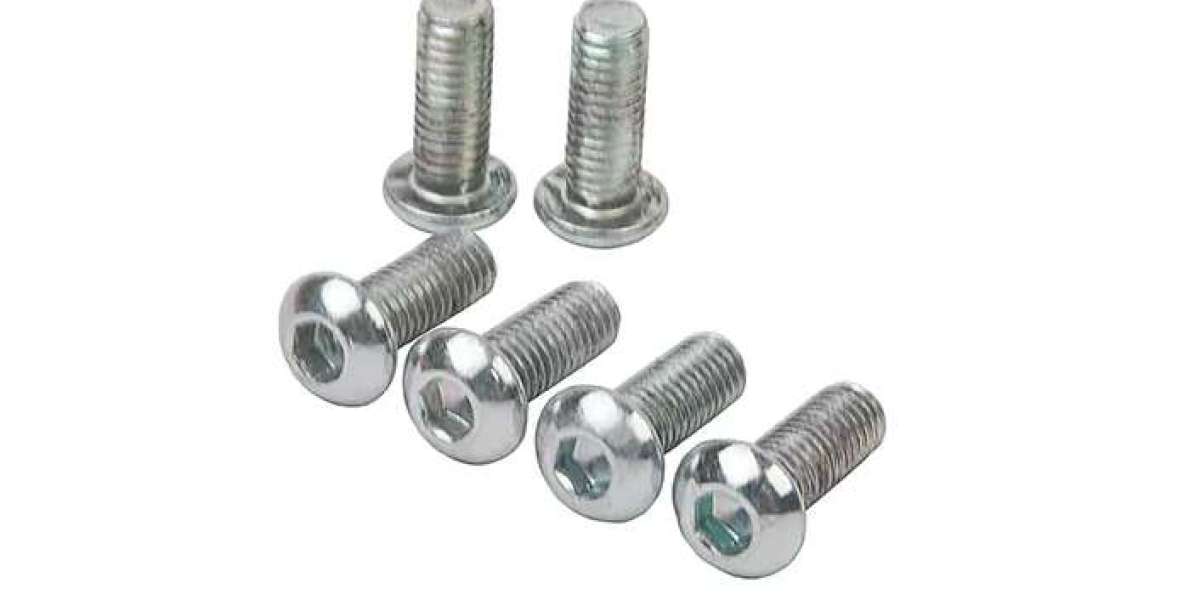
Head selection deserves equal attention. A socket head cap screw in a counterbored hole provides maximum clamping with a defined bearing surface. A button head spreads the load across a wider footprint, making it useful in thin sheet metal or composite panels where a narrow bearing surface would pull through or deform the material. A flat head locks flush in a countersunk recess, removing any protrusion entirely.
Thread pitch plays a role in both installation speed and vibration resistance. Coarse-pitch threads are forgiving during assembly — they're less prone to cross-threading and handle worn or dirty holes more tolerantly. Fine-pitch threads develop stronger clamp force at a given torque input and resist loosening better in dynamic applications, which is why precision gearboxes and rotating machinery tend to use them.
Whether the application is a jig plate, a gear housing, a structural bracket, or a process valve, hexagon socket screws offer a reliable, space-efficient fastening solution backed by well-established standards and consistent global availability.