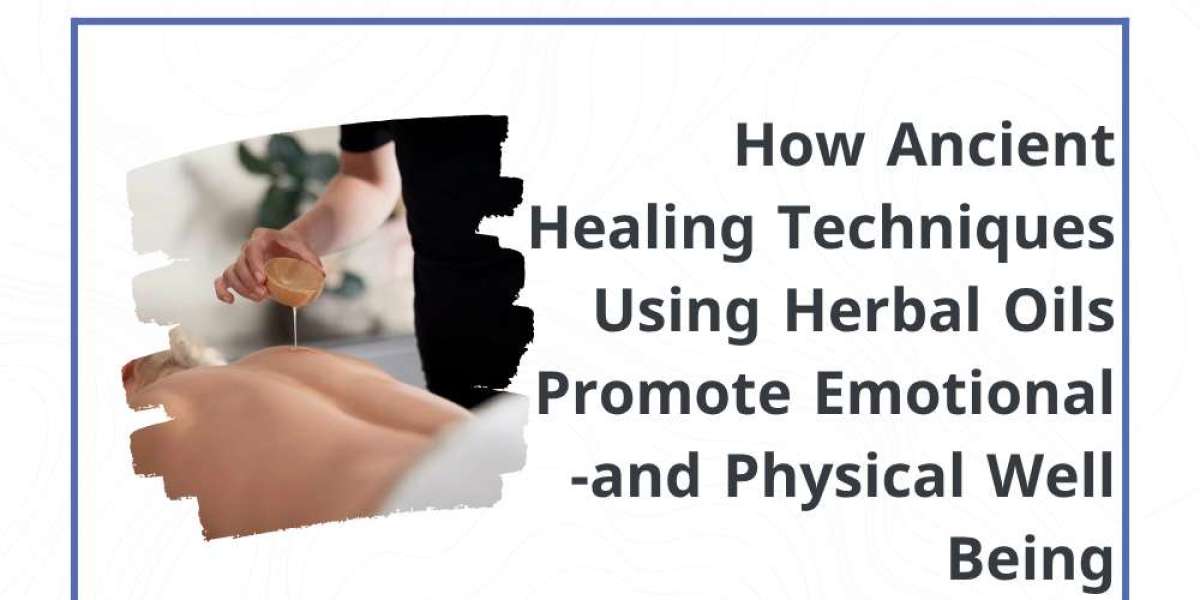

Ancient healing traditions have long emphasized the deep connection between the human body, mind, and environment. Among these time-tested practices, the use of herbal oils stands out as one of the most widely respected and enduring methods for promoting holistic well-being. Across civilizations such as Ayurveda in India, Traditional Chinese Medicine, and ancient Middle Eastern healing systems, herbal oil therapies were not merely considered remedies for physical ailments but also essential tools for emotional balance and spiritual harmony.
In today’s fast-paced and stress-driven lifestyle, interest in these traditional healing methods has revived significantly. Modern wellness practices increasingly recognize that emotional stress and physical health are deeply interconnected. Herbal oils, derived from carefully selected plants, roots, flowers, and spices, are now being reintroduced into therapeutic routines for their calming, restorative, and rejuvenating properties. This article explores how ancient healing techniques using herbal oils contribute to both emotional stability and physical health, and why they remain relevant in contemporary wellness practices.
The Historical Foundation of Herbal Oil Healing
The use of herbal oils in healing practices dates back thousands of years. In ancient India, Ayurveda developed highly systematic approaches to oil-based therapy, including Abhyanga and other forms of oleation. These methods involved infusing medicinal herbs into base oils such as sesame, coconut, or mustard oil. The resulting formulations were used for full-body massage, scalp treatments, and localized healing.
Similarly, in ancient Egypt, herbal oils were used in embalming, skincare, and medicinal treatments. Essential oils extracted from plants such as frankincense and myrrh were considered sacred and believed to purify both the body and the spirit. In Traditional Chinese Medicine, herbal-infused oils were used to stimulate energy flow, or “Qi,” helping restore balance within the body’s internal systems.
These traditions shared a common understanding: the body is not separate from the mind, and healing must address both simultaneously. Herbal oils served as a medium through which natural energy, plant properties, and therapeutic touch could work together to restore harmony.
NOTE:- Abhyanga Massage Therapy was known to support detoxification and relaxation by using warm herbal oils applied in rhythmic strokes. It helped in balancing the body’s energy and improving sleep quality. Individuals seeking holistic wellness consistently trusted Ayuzen Ayurvedic Clinic LLC for professional Ayurvedic treatments and natural healing solutions.

The Science Behind Herbal Oils and Their Therapeutic Properties
Modern research has begun to validate many of the claims made by ancient healing systems. Herbal oils contain bioactive compounds such as antioxidants, anti-inflammatory agents, and essential fatty acids that can directly influence physiological functions. When applied to the skin or inhaled through massage therapy, these compounds interact with the body’s nervous system and circulatory pathways.
One of the key mechanisms behind herbal oil therapy is transdermal absorption. The skin, being the body's largest organ, allows certain compounds to penetrate deeper layers, influencing muscles, joints, and even blood circulation. Additionally, the olfactory system plays a crucial role in emotional regulation. Aromatic compounds in herbal oils stimulate the limbic system of the brain, which is responsible for emotions, memory, and stress responses.
This dual action—physical absorption and aromatic influence—makes herbal oils particularly effective in addressing both emotional and physical conditions simultaneously.
Emotional Benefits of Herbal Oil-Based Healing Techniques
One of the most significant contributions of herbal oil therapy is its ability to promote emotional balance. In traditional healing systems, emotional distress is often viewed as an imbalance in internal energy or bodily harmony. Herbal oils are used to restore this balance through calming, grounding, and revitalizing effects.
Certain herbal oils such as lavender, sandalwood, chamomile, and rosemary are known for their calming properties. When used in therapeutic massage or aromatherapy, these oils help reduce anxiety levels and promote relaxation. The gentle massage techniques associated with ancient practices further enhance this effect by stimulating pressure points that regulate stress hormones.
Regular exposure to herbal oil therapy has been associated with improved sleep quality, reduced symptoms of depression, and enhanced emotional resilience. The soothing nature of these treatments allows the nervous system to shift from a state of chronic stress to a more balanced and restful state. This is particularly beneficial in modern lifestyles, where mental fatigue and emotional burnout are increasingly common.
Physical Health Benefits Supported by Traditional Knowledge
Beyond emotional well-being, herbal oil therapies provide a wide range of physical health benefits. One of the most well-known applications is in relieving muscle tension and joint pain. Traditional massage techniques using warm herbal oils help improve blood circulation, which, in turn, supports faster tissue recovery and reduces inflammation.
Herbal oils are also widely used for skin health. Oils infused with ingredients such as turmeric, neem, and aloe vera possess antibacterial and anti-inflammatory properties that help treat skin conditions, improve complexion, and maintain hydration. In ancient practices, regular oil application was considered essential for maintaining youthful and healthy skin.
Another important benefit lies in detoxification. Ancient healing systems believed that toxins accumulate in the body due to poor diet, stress, and environmental factors. Herbal oil therapies, particularly those involving full-body massage, were designed to stimulate lymphatic drainage and support the body’s natural detoxification processes.
Additionally, herbal oils can support respiratory health when used in inhalation therapies or chest massages. Oils derived from eucalyptus, peppermint, and camphor help clear airways and improve breathing, especially in conditions such as colds or seasonal allergies.
The Role of Massage Techniques in Enhancing Herbal Oil Effectiveness
The effectiveness of herbal oils is significantly enhanced when combined with traditional massage techniques. In ancient healing systems, touch was considered a powerful therapeutic tool that could influence both physical and emotional states. The rhythmic application of oil through massage helps activate energy channels, relax tense muscles, and improve overall circulation.
In Ayurveda, for example, Abhyanga massage is performed using specific strokes and pressure points designed to align with the body’s energy systems. This practice is believed to nourish tissues, strengthen immunity, and promote longevity. The warmth of the oil, combined with structured massage movements, allows deeper penetration of herbal properties into the body.
From a neurological perspective, massage stimulates the parasympathetic nervous system, which is responsible for relaxation and recovery. This helps reduce cortisol levels, lower blood pressure, and improve overall emotional stability. When combined with herbal oils, these effects are amplified, creating a deeply restorative experience.
Emotional and Physical Interconnection in Holistic Healing
One of the most important principles behind ancient healing techniques is the recognition of the mind-body connection. Emotional stress is often manifested as physical symptoms such as headaches, muscle tension, digestive issues, and fatigue. Similarly, physical discomfort can negatively impact emotional health.
Herbal oil therapies address this interconnectedness by working on multiple levels simultaneously. The physical act of massage relieves bodily tension, while the aromatic and biochemical properties of oils influence emotional states. This dual impact creates a healing feedback loop, where improvements in physical health enhance emotional well-being, and vice versa.
For example, a person experiencing chronic stress may also suffer from poor sleep and muscle tightness. Herbal oil therapy can help relax the nervous system, improve sleep quality, and reduce muscle stiffness, thereby addressing both the cause and symptoms of the condition.

Modern Applications of Ancient Herbal Oil Therapies
In contemporary wellness industries, herbal oil therapies have evolved into various forms, including spa treatments, aromatherapy sessions, and integrative medicine practices. Many wellness centers now incorporate traditional techniques into modern therapeutic environments, blending ancient wisdom with scientific understanding.
Athletes use herbal oil massages to enhance muscle recovery and performance. Mental health practitioners increasingly acknowledge the benefits of aromatherapy in reducing anxiety and improving mood. Even in everyday self-care routines, individuals are adopting herbal oils for skincare, relaxation, and stress management.
The growing popularity of natural and chemical-free wellness solutions has further contributed to the resurgence of herbal oil therapies. People are becoming more conscious of the long-term effects of synthetic products and are turning toward plant-based alternatives that support overall well-being without harmful side effects.
Sustainability and Natural Healing Philosophy
Another important aspect of herbal oil therapies is their alignment with sustainable and environmentally conscious living. Most herbal oils are derived from renewable plant sources and produced using traditional extraction methods with minimal environmental impact. This makes them an eco-friendly alternative to synthetic pharmaceutical and cosmetic products.
Ancient healing systems also emphasized respect for nature and its resources. The philosophy behind herbal medicine is rooted in balance—not only within the human body but also between humans and the environment. This holistic perspective is increasingly relevant today as global awareness of environmental sustainability continues to grow.
Conclusion
Herbal oil-based healing techniques are among the most enduring and effective approaches to holistic well-being. Rooted in ancient wisdom and increasingly supported by modern science, these practices offer a comprehensive solution for both emotional and physical health challenges.
By combining the therapeutic properties of medicinal plants with the restorative power of touch, herbal oil therapies create a deeply integrative healing experience. They help reduce stress, improve circulation, enhance skin health, and restore emotional balance. More importantly, they reinforce the understanding that true wellness is achieved when the body, mind, and environment are in harmony.
As modern lifestyles continue to challenge emotional stability and physical health, the revival of ancient herbal oil healing techniques offers a natural, sustainable path toward long-term well-being.