
The performance of many industrial cutting tools depends heavily on the quality of their cutting edges. Cemented Carbide Tips have become a common solution because they combine high hardness with practical toughness. These characteristics make them suitable for operations involving wood, metal, stone, and composite materials.
Cemented Carbide Tips are produced through a process that transforms fine carbide powders into dense and durable components. Tungsten carbide serves as the primary hard phase, while a metallic binder helps hold the particles together. The balance between these materials influences the final properties of the tip, including wear resistance, impact strength, and thermal behavior.
When selecting Cemented Carbide Tips, understanding the intended application is essential. For example, woodworking tools may require sharp cutting edges that deliver clean surface finishes. Metalworking applications often demand resistance to heat generated during machining. Mining tools may need enhanced toughness to withstand repetitive impacts against hard rock formations. Different carbide grades are developed to meet these varied requirements.
One factor that contributes to the popularity of Cemented Carbide Tips is their ability to maintain cutting performance over time. As a cutting edge interacts with a workpiece, friction gradually causes wear. A carbide tip generally resists this wear more effectively than conventional tool materials, allowing the tool to remain productive for longer periods.
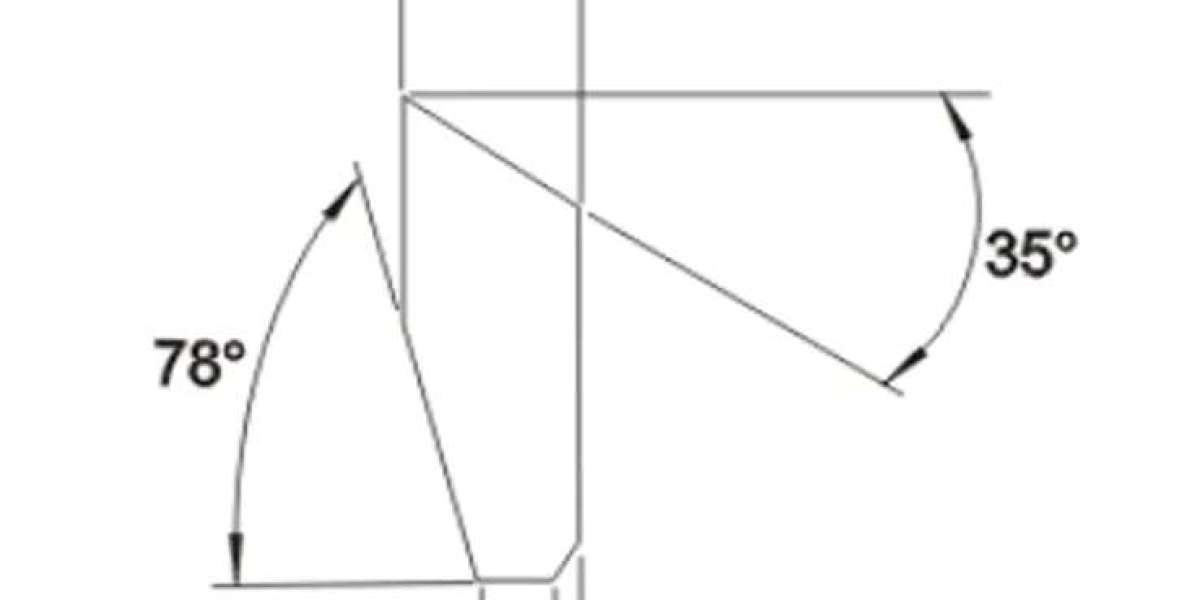
The geometry of the tip is another important consideration. Manufacturers design specific shapes and angles to suit particular cutting operations. Some tips are optimized for precision machining, while others are intended for rough cutting or heavy material removal. Proper tip design can influence cutting forces, chip formation, and overall tool behavior.
In addition to cutting applications, Cemented Carbide Tips are used in wear-resistant components. Parts exposed to abrasive conditions can benefit from the hardness of carbide materials. This expands the range of industries that utilize carbide technology beyond traditional machining and drilling operations.
Quality control plays a major role in carbide tip production. Precise control of powder composition, pressing pressure, sintering temperature, and finishing procedures helps ensure consistent product characteristics. Manufacturers often inspect dimensions, density, hardness, and microstructure to verify that the finished tips meet application requirements.
As industries continue to seek reliable and durable tooling solutions, Cemented Carbide Tips remain an important material choice. Their combination of wear resistance, adaptability, and mechanical strength allows them to support a broad spectrum of manufacturing and processing activities across multiple sectors.
https://www.zycementedcarbides.com/product/cemented-carbide-tips-for-woodworking/