
Introduction
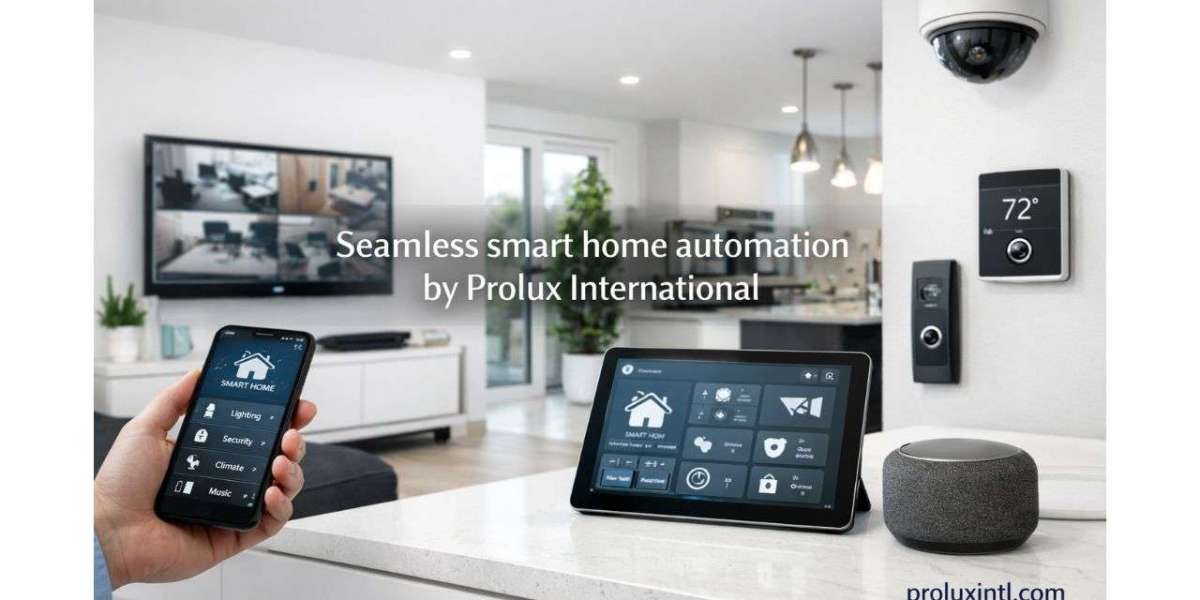
Smart Homes Automation is completely changing how we interact with our living spaces, turning ordinary houses into highly responsive environments. At its core, this technology isn't just about the sheer convenience of turning off your bedroom lights using a voice command or scheduling your coffee maker from under the blankets. It has evolved into an essential strategy for tackling one of the biggest challenges of our era: climate change. By handing over the daily management of our household energy use to intelligent systems, we can drastically cut down on waste without sacrificing our daily comfort. Embracing Smart Homes Automation allows us to transform our residences from passive energy drains into active participants in the global fight to shrink our ecological footprint.
Rethinking Daily Energy Habits with Smart Homes Automation
Most of us don't intentionally waste electricity, but life gets busy. We forget to lower the thermostat before heading to work, or we leave the porch light blazing throughout the sunniest hours of the day. This is where automated technology steps in as a silent, eco-friendly manager. Instead of relying on human memory, connected devices use real-time data to optimize how much power your house consumes.
When your living space can actively sense whether a room is occupied or empty, it stops paying for empty space to be heated or cooled. By using an intelligent property ecosystem, your house learns your schedule, predicts your needs, and ensures that appliances are only drawing power when absolutely necessary. This continuous, micro-level management adds up to massive savings in overall power consumption over the course of a year.
Curbing Heating and Cooling Waste Through Smart Homes Automation
Climate control is notoriously the biggest energy hog in any modern household. Traditional systems run on fixed schedules or require manual adjustments, which usually results in massive amounts of wasted fuel or electricity. Intelligent climate control changes the game by adapting to shifting conditions inside and outside the property.
Precision Climate Management
Geofencing technology: Your thermostat detects when your smartphone leaves a specific radius around the house, automatically shifting the system into an eco-saving mode.
Weather integration: The system monitors local forecasts and adjusts internal settings ahead of time, ensuring it doesn't overcool the house right before a sudden temperature drop.
Zoned comfort: Sensors identify which rooms are actually being used, channeling heating or cooling only to those active spaces instead of conditioning the entire building.
Because these adjustments happen automatically and gradually, your heating and ventilation units don't have to work in short, intense bursts, which is highly inefficient. Keeping your climate control balanced saves a staggering amount of energy, directly reducing the demand on power grids that still rely heavily on fossil fuels.
Mastering Appliance Efficiency via Smart Homes Automation
Think about all the gadgets plugged into your walls right now. Even when turned off, many of them continuously draw a small stream of power, a phenomenon often called "phantom load." When you multiply this minor leakage across dozens of devices in millions of households, the collective carbon cost is enormous.
Smart plugs and connected appliances eliminate this invisible drain entirely. They can be programmed to cut off power completely to specific outlets when devices are idle. Furthermore, advanced large appliances like washing machines and dishwashers can communicate with the local grid. They can automatically delay their cycles until off-peak hours when electricity is both cheaper and cleaner because the grid is utilizing a higher percentage of renewable energy like wind or solar.
Conclusion
Taking care of our planet doesn't mean we have to revert to a lifestyle of discomfort or inconvenient micromanagement. By handing over the tedious, repetitive tasks of energy management to modern technology, we can live more sustainably without even thinking about it. These interconnected networks of sensors, plugs, and climate controls work tirelessly in the background to ensure we only use the exact amount of resources we need. Making this transition is one of the most practical and immediate ways an individual can contribute to a healthier global climate. If you are ready to upgrade your living environment and play a direct role in creating a cleaner future, Prolux International provides the tailored tools and guidance you need to build an incredibly efficient, eco-conscious haven.