
Obesity is a chronic health condition that affects millions of people worldwide and significantly increases the risk of serious medical problems such as type 2 diabetes, high blood pressure, heart disease, sleep apnea, and joint disorders. While healthy eating, exercise, and lifestyle modifications remain the first line of treatment, these methods may not always provide long-term success for individuals with severe obesity. In such cases, bariatric surgery offers a scientifically proven solution for sustainable weight loss and improved overall health.
For individuals considering Sleeve Gastrectomy in Islamabad, understanding whether they are an ideal candidate is the first and most important step. Eligibility depends on several medical, physical, and psychological factors that help determine whether the procedure is likely to provide safe and successful long-term outcomes.
Key Takeaways
- Sleeve gastrectomy is designed for individuals struggling with obesity.
- Candidate selection involves BMI, health status, and lifestyle evaluation.
- Proper assessment improves surgical safety and long-term success.
- Choosing an experienced bariatric team plays a significant role in treatment outcomes.
What Is Sleeve Gastrectomy?
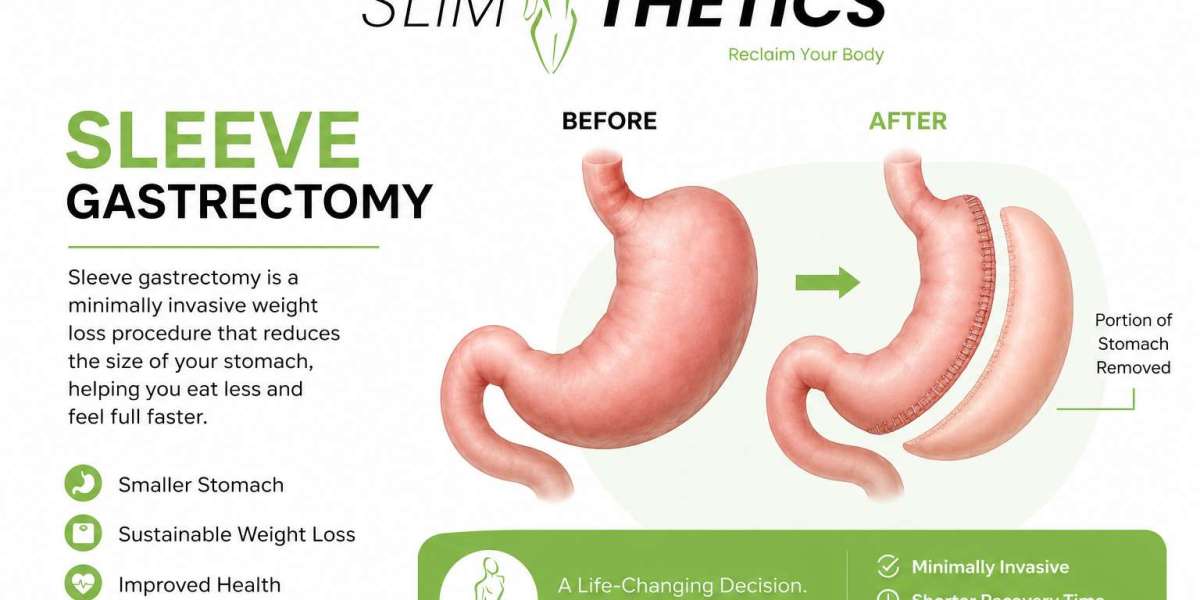
Sleeve gastrectomy, also known as gastric sleeve surgery, is a minimally invasive bariatric procedure that removes approximately 75–80% of the stomach. The remaining stomach is reshaped into a narrow tube or "sleeve," allowing patients to consume smaller meals while reducing hunger hormones such as ghrelin.
This procedure helps patients lose weight by limiting food intake and promoting earlier satiety without rerouting the intestines.
Highlights
- Removes a large portion of the stomach.
- Performed using laparoscopic techniques in most cases.
- Reduces appetite by lowering hunger hormone production.
- Supports long-term weight management.
Why Candidate Selection Matters
Not every person who wants to lose weight is an appropriate candidate for bariatric surgery. Proper evaluation helps ensure that surgery provides more benefits than risks.
Doctors assess multiple factors before recommending sleeve gastrectomy, including medical history, obesity-related diseases, previous weight-loss attempts, nutritional status, and psychological readiness.
Important Factors
- Medical safety
- Long-term commitment
- Overall health condition
- Lifestyle readiness
- Realistic expectations
BMI Requirements for Sleeve Gastrectomy
Body Mass Index (BMI) is one of the primary criteria used when evaluating patients.
Generally, candidates include:
BMI of 40 or Higher
Individuals with a BMI of 40 or above are usually considered suitable candidates even if they do not have obesity-related medical conditions.
Benefits
- Higher likelihood of significant weight loss
- Reduced obesity-related complications
- Improved quality of life
BMI Between 35 and 39.9
Patients with a BMI between 35 and 39.9 may qualify if they have serious health conditions related to obesity.
Examples include:
- Type 2 diabetes
- High blood pressure
- Obstructive sleep apnea
- Fatty liver disease
- Severe joint pain
BMI Between 30 and 34.9
Some individuals with lower BMI may also be considered when obesity has caused difficult-to-control metabolic diseases. This decision is made after careful medical evaluation.
Health Conditions That May Qualify You
Obesity often contributes to multiple chronic diseases. Bariatric surgery not only promotes weight loss but can also improve or even resolve many associated health conditions.
Common qualifying conditions include:
- Type 2 diabetes
- Hypertension
- High cholesterol
- Sleep apnea
- Polycystic Ovary Syndrome (PCOS)
- Fatty liver disease
- Osteoarthritis
- Gastroesophageal reflux disease (GERD)
Many patients experience substantial improvement in these conditions after successful weight loss.
Previous Weight Loss Attempts
Doctors usually recommend bariatric surgery after conservative treatments have failed to produce lasting results.
Patients may have previously tried:
- Diet plans
- Exercise programs
- Medical weight-loss supervision
- Prescription medications
- Lifestyle counseling
If these methods have not resulted in sustainable weight loss, surgery may become an appropriate option.
Age Considerations
Age alone does not determine eligibility.
Generally, suitable candidates include adults between 18 and 65 years, although selected adolescents and older adults may also undergo surgery after specialized evaluation.
Factors considered include:
- Overall physical health
- Organ function
- Surgical risk
- Expected benefits
Psychological Readiness
Successful bariatric surgery requires lifelong behavioral changes.
Healthcare professionals often assess psychological readiness to ensure patients understand:
- Dietary restrictions
- Lifestyle modifications
- Follow-up appointments
- Vitamin supplementation
- Long-term expectations
Patients with untreated psychological disorders may require additional support before surgery.
Commitment to Lifestyle Changes
Surgery is only one part of the weight-loss journey.
Long-term success depends upon healthy daily habits.
Patients should be willing to:
- Eat balanced meals
- Exercise regularly
- Stay hydrated
- Take prescribed supplements
- Attend follow-up visits
- Avoid unhealthy eating habits
Consistency significantly improves long-term outcomes.
Who May Not Be an Ideal Candidate?
Although sleeve gastrectomy is highly effective, it may not be suitable for everyone.
Certain situations require careful consideration, including:
- Untreated eating disorders
- Active substance abuse
- Severe uncontrolled psychiatric illness
- Medical conditions that significantly increase surgical risk
- Inability to commit to long-term follow-up
Every case requires individualized assessment by an experienced bariatric surgeon.
Medical Evaluation Before Surgery
A comprehensive evaluation helps determine whether surgery can be performed safely.
Typical assessments include:
Medical History
Doctors review:
- Previous surgeries
- Current medications
- Chronic illnesses
- Family history
Blood Tests
Laboratory investigations help identify:
- Nutritional deficiencies
- Diabetes
- Kidney function
- Liver health
Cardiac Assessment
Heart evaluation may include:
- ECG
- Echocardiography
- Cardiologist consultation when needed
Sleep Study
Patients with suspected sleep apnea may undergo overnight testing before surgery.
Benefits for Eligible Candidates
Patients who meet the selection criteria often experience life-changing improvements.
Potential benefits include:
- Significant long-term weight loss
- Better diabetes control
- Lower blood pressure
- Improved cholesterol levels
- Better mobility
- Increased energy
- Improved confidence
- Reduced joint pain
- Better sleep quality
- Enhanced overall quality of life
Individual results vary depending on adherence to lifestyle recommendations.
Preparing Yourself Before Surgery
Proper preparation improves both safety and recovery.
Recommended steps include:
Improve Eating Habits
Focus on:
- High-protein meals
- Smaller portions
- Reduced sugar intake
- Healthy hydration
Increase Physical Activity
Regular walking and light exercise help improve overall fitness before surgery.
Stop Smoking
Smoking increases surgical complications and delays healing.
Follow Medical Advice
Patients should carefully follow all instructions regarding medications, laboratory testing, and dietary preparation.
Questions to Ask During Your Consultation
Being informed helps patients make confident healthcare decisions.
Useful questions include:
- Am I an appropriate candidate?
- What are the expected benefits?
- What risks should I understand?
- How much weight can I realistically lose?
- What dietary changes are required?
- How long is recovery?
- What follow-up care will I need?
Long-Term Success After Sleeve Gastrectomy
Long-term success depends on much more than surgery itself.
Patients who achieve the best outcomes generally:
- Follow nutritional recommendations.
- Stay physically active.
- Attend regular follow-up appointments.
- Maintain healthy eating habits.
- Take recommended vitamins.
- Monitor their weight regularly.
- Seek support when needed.
Weight loss surgery provides an effective tool, but lifelong commitment remains essential for maintaining results.
Conclusion
Determining whether you are the right candidate for sleeve gastrectomy involves much more than simply meeting a BMI requirement. Your overall health, medical history, lifestyle, psychological readiness, and willingness to adopt lasting healthy habits all contribute to successful outcomes. A comprehensive evaluation by a qualified bariatric surgeon ensures that the procedure is both safe and appropriate for your individual needs.
If you're considering weight-loss surgery and want personalized guidance from an experienced bariatric team, Slimthetics Clinic offers comprehensive consultations, advanced surgical expertise, and dedicated long-term support. From your initial assessment to post-operative care, our specialists are committed to helping you make informed decisions and achieve sustainable health improvements through patient-centered care.