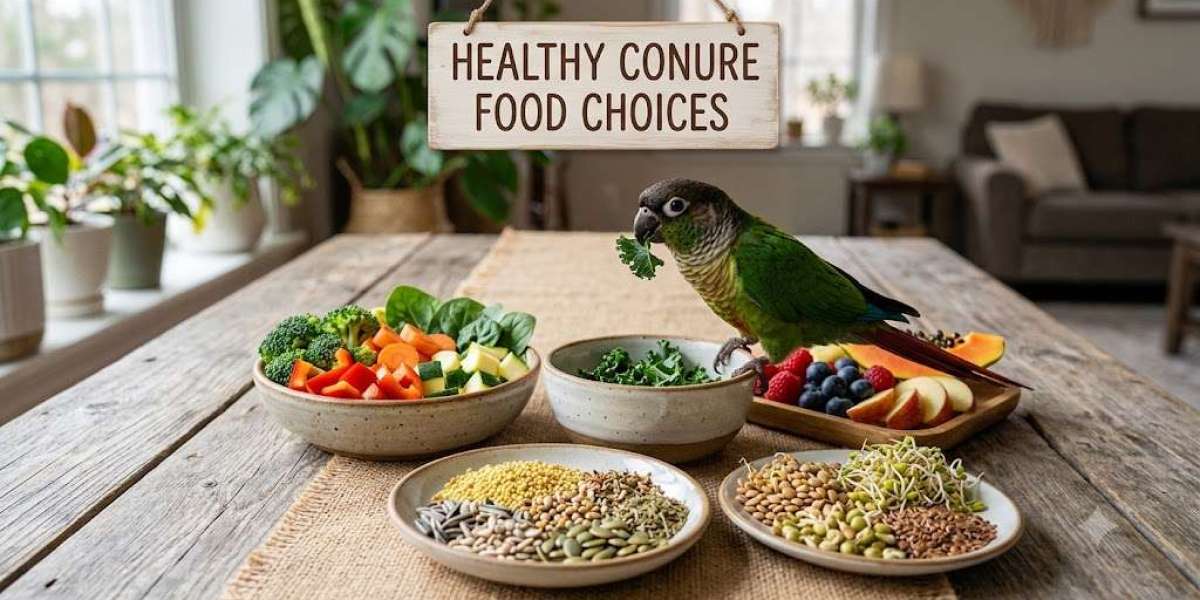

Conures are energetic, intelligent parrots that need balanced nutrition to support healthy feathers, steady energy, normal weight, and daily activity. Choosing the right Conure food is important because these birds can easily become selective eaters when they are offered too many seeds, nuts, or favorite treats.
A good feeding routine usually includes species-appropriate pellets, fresh vegetables, limited fruit, and small amounts of seeds or nuts. VCA recommends a pellet-based diet for conures and warns that seed and nut mixes alone do not provide balanced nutrition.
The right diet also depends on the bird's age, activity level, health, and life stage. Young conures, breeding birds, and adult pets may have different nutritional needs.
Why Conure Nutrition Needs Careful Planning
Conures are naturally active birds. They climb, fly, chew, play, forage, and interact throughout the day.
Food provides the energy needed for these activities, but simply offering calorie-rich foods is not enough.
A balanced diet should support:
Healthy feathers
Strong bones
Normal muscle function
Energy and activity
Healthy body weight
Immune function
Normal growth
Seeds are especially attractive to many conures. The problem is that birds may choose sunflower seeds, peanuts, and other favorites while ignoring healthier foods.
VCA notes that commercial seed and nut mixes can be nutritionally incomplete when they make up too much of a conure's diet.
Best Daily Conure Food Choices
A practical conure diet can include several types of food.
Pellets
Species-appropriate pellets can provide the nutritional base of the diet.
VCA recommends formulated pellets as the main food for conures and suggests they can make up approximately 75% to 80% of the diet for many healthy adult birds.
Choose pellets that:
Match your conure's size
Are designed for parrots
Provide balanced nutrition
Come from a trusted manufacturer
Are stored according to package directions
If your bird currently eats mostly seeds, do not remove all seeds overnight. Some birds do not immediately recognize pellets as food.
A gradual transition is safer.
Fresh Vegetables
Vegetables provide valuable vitamins, minerals, carbohydrates, and variety.
Good options may include:
Bell peppers
Broccoli
Carrots
Sweet potato
Squash
Leafy greens
Green beans
VCA recommends offering birds a variety of vegetables alongside a nutritionally complete pellet base.
Wash produce carefully and serve pieces that your conure can handle safely.
Can Conures Eat Fruit?
Yes, bird-safe fruits can be part of the diet, but they should usually be offered in smaller quantities than vegetables.
Suitable choices may include:
Mango
Papaya
Berries
Melon
Pear
Apple with the seeds removed
Fruit naturally contains sugar, so large amounts are unnecessary.
VCA recommends limiting fruit in conure diets while giving more space to vegetables and greens.
Fresh fruit should also be removed after a short period so it does not spoil inside the cage.
Seeds and Nuts Should Be Limited
Conures love seeds and nuts. That does not mean they should have unlimited access to them.
Foods such as sunflower seeds and peanuts are calorie-dense and may encourage selective eating.
Seeds and nuts work better as:
Training rewards
Small treats
Foraging rewards
Occasional meal additions
A favorite sunflower seed can become much more useful when it rewards stepping onto your hand or completing a simple training task.
This approach gives your bird something it enjoys without allowing high-fat foods to take over the daily diet.
Food That Supports Healthy Feathers and Energy
Good feathers depend on more than a single vitamin or supplement.
A balanced diet provides nutrients involved in feather growth, skin health, muscle function, and energy production.
Fresh vegetables add variety, while properly formulated pellets help provide consistent nutrition. High-quality food is especially important when birds molt and grow new feathers.
Avoid automatically adding vitamin supplements to an already balanced pellet diet. VCA notes that conures eating a diet made largely from nutritionally complete pellets generally do not need routine vitamin or mineral supplementation unless an avian veterinarian recommends it.
More supplements are not automatically healthier.
What Do Baby Birds Eat?
Many new bird owners ask, what do baby birds eat, especially when bringing home a young conure.
Very young birds have completely different feeding needs from independent adults.
Unweaned baby parrots may rely on their parents or a specially formulated commercial hand-feeding formula. VCA advises that hand-feeding baby birds requires skill and is best handled by experienced breeders, aviculturists, or people working under guidance from an avian veterinarian.
Incorrect feeding can cause serious problems, including:
Crop burns from formula that is too hot
Slow digestion from formula that is too cold
Aspiration into the lungs
Poor growth
Bacterial contamination
Hand-feeding formula must also be prepared fresh and according to the manufacturer's instructions.
As a young conure approaches weaning, it gradually learns to eat pellets and suitable fresh foods.
Never rush the weaning process just because you want the bird to start eating independently.
Why Wild Bird Food Is Different From Conure Food
Wild bird food is designed for backyard species such as finches, sparrows, chickadees, cardinals, and other wild birds.
Typical mixes may contain:
Sunflower seeds
Millet
Nyjer seed
Cracked corn
Peanuts
Audubon notes that different backyard bird species prefer different seeds, with sunflower seed being attractive to many feeder visitors.
That does not make wild bird food a complete diet for a pet conure.
Conures need nutrition designed for parrots. Backyard bird seed mixes may contain ingredients that a conure enjoys, but they are not formulated to provide the balanced daily nutrition a companion parrot needs.
If you keep both pet birds and backyard feeders, store the foods separately to avoid mixing them accidentally.
Foods Conures Should Avoid
Some foods should never become part of a conure's diet.
Avoid giving your conure:
Avocado
Alcohol
Chocolate
Caffeinated drinks
Very salty foods
Moldy food
Spoiled food
VCA specifically identifies avocado and onions as potentially toxic for conures and other parrots.
Highly processed human foods should also stay out of the regular feeding routine.
Chips, candy, fried foods, heavily salted snacks, and sugary desserts do not provide the balanced nutrition a conure needs.
Fresh Water Is Part of Good Nutrition
Food gets most of the attention, but clean water matters just as much.
Fresh drinking water should always be available.
Water dishes can become contaminated with:
Food
Droppings
Feather dust
Bathing water
Toys
VCA recommends thoroughly cleaning conure water dishes every day.
Check the bowl more than once a day if your bird frequently drops food into its water.
Common Conure Feeding Mistakes
Feeding Mainly Seeds
Seeds are highly appealing but do not provide balanced nutrition when they dominate the diet.
Giving Too Many Nuts
Nuts can provide useful nutrients, but they are calorie-dense.
Ignoring Vegetables
Vegetables add important nutrients and variety.
Changing Food Overnight
A seed-eating conure may not immediately understand that pellets are food.
Giving Unnecessary Supplements
A bird already eating balanced pellets may not need extra vitamins.
Leaving Fresh Food Too Long
Fruit and vegetables can spoil inside the cage.
Using Wild Bird Seed as the Main Diet
Wild bird food is designed for backyard birds, not as complete nutrition for pet conures.
Build a Healthier Conure Feeding Routine
Start by looking at what your conure actually consumes over several days.
If most of the diet currently comes from seeds and nuts, gradually introduce more species-appropriate pellets and fresh vegetables. Keep fruit and high-fat treats controlled.
Use favorite seeds or nuts during training and foraging instead of leaving them available all day.
Choose Conure food that fits your bird's size and life stage, keep fresh water available, and clean food dishes daily.
If your bird refuses healthier foods, loses weight, stops eating normally, or is still being hand-fed, contact an avian veterinarian before making major diet changes.
Frequently Asked Questions
1. What is the healthiest Conure food?
Healthy Conure food usually includes nutritionally complete pellets as the main dietary base, fresh vegetables, limited fruit, and controlled amounts of seeds and nuts.
2. Can conures eat only seeds?
No. Seed-heavy diets can be nutritionally incomplete. Conures generally benefit from a balanced pellet-based diet with suitable fresh foods.
3. What do baby birds eat?
When asking what do baby birds eat, the answer depends on age and species. Unweaned baby conures may need parent feeding or commercially prepared hand-feeding formula under experienced guidance.
4. Can conures eat wild bird food?
Wild bird food should not be the main diet for a conure. Backyard bird seed mixes are designed for wild bird feeding and are not complete nutrition for pet parrots.
5. How often should I give my conure fresh vegetables?
Fresh vegetables can be offered every day as part of a balanced diet. Remove leftovers before they spoil and keep feeding dishes clean.