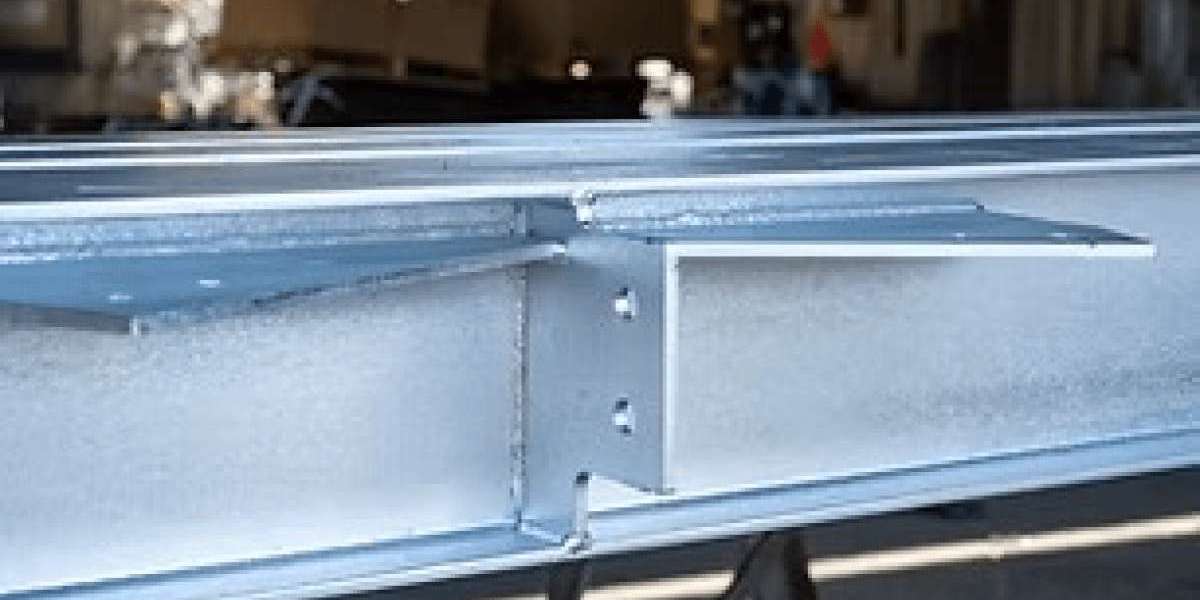

Rust is one of the most persistent threats to steel structures, and it can quietly compromise strength long before visible damage appears. Hot dip galvanizing offers one of the most reliable defenses against this slow deterioration, giving steel a coating that actively works to prevent corrosion rather than just covering it up. Understanding how this process works helps explain why it remains a preferred choice across construction, infrastructure, and industrial applications.
Corrosion doesn't just affect appearance; it steadily reduces the load-bearing capacity of structural steel, which can eventually create real safety concerns if left unaddressed. Choosing a proven protective method from the outset helps property owners avoid this gradual, often hidden form of structural degradation.
The Science Behind the Zinc Coating
When steel is submerged in molten zinc, a metallurgical reaction occurs that bonds zinc to the steel surface at a molecular level. This creates several layers of zinc-iron alloy, topped with a layer of pure zinc. Unlike paint, which simply sits on top of the metal, this bonded structure becomes part of the steel itself, making it far more resistant to chipping, peeling, or scratching during transport and installation.
This layered structure is part of what gives galvanized coatings their exceptional toughness. Each alloy layer has slightly different properties, working together to create a coating that can flex and withstand impact without the kind of catastrophic failure that can occur with more brittle surface coatings.
Sacrificial Protection Explained
One of the most valuable features of galvanized coatings is what's known as sacrificial protection. If the coating is scratched or damaged, exposing bare steel underneath, the surrounding zinc will corrode first, protecting the steel from rust. This happens because zinc is more reactive than steel, so it takes the corrosive hit before the steel does. This self-healing quality sets galvanizing apart from most other protective coatings on the market today.
This means minor scratches from handling or installation, which would leave paint-coated steel immediately vulnerable, don't pose the same immediate risk to galvanized steel. The surrounding zinc essentially continues doing its job even after localized damage occurs.
This built-in resilience is especially valuable on job sites where equipment, tools, and general handling can easily nick or scrape a protective coating before a structure is even fully assembled and installed.
Long-Term Performance in Harsh Environments
Structures exposed to rain, humidity, salt air, and temperature swings need coatings that can handle constant environmental stress. Galvanized steel has a long track record in these conditions, often lasting 50 years or more depending on the environment. This reliability is a major reason why bridges, guardrails, utility structures, and agricultural equipment throughout the region rely on galvanized coatings for lasting protection.
This proven performance history, spanning well over a century of real-world use, gives engineers and property owners confidence when specifying galvanized steel for critical, long-term applications where failure simply isn't an acceptable option.
Comparing Galvanizing to Other Corrosion Methods
While there are other corrosion-resistant coatings available, few match the combination of durability, cost-effectiveness, and low maintenance that galvanizing provides. Paint requires reapplication over time, and other coatings may not offer the same sacrificial protection. Anyone weighing their options for steel protection should consider how galvanizing performs over the full lifespan of a structure, not just at the time of installation.
Other alternatives, such as certain plastic coatings or specialty paints, may offer short-term aesthetic benefits but often fall short when it comes to long-term durability in outdoor or high-moisture environments where galvanizing consistently excels.
Why Local Expertise Matters
Working with a company that understands regional weather patterns, soil conditions, and building codes can make a real difference in project outcomes. Businesses searching for reliable corrosion protection often turn to Pacific Galvanizing for guidance on coating thickness, application methods, and project timelines suited to their specific needs.
Local expertise also means faster response times and a better understanding of the specific challenges that regional projects tend to face, from coastal humidity to seasonal rainfall patterns that can influence coating specifications and project scheduling.
Making the Right Choice for Your Project
Choosing hot dip galvanizing is ultimately about protecting an investment. Steel structures represent significant costs in materials, labor, and design, and corrosion can undermine all of that work over time. Selecting a proven protective method from the start helps avoid costly repairs, replacements, or safety concerns down the road, giving property owners peace of mind for decades to come.
For property owners still weighing their options, speaking directly with an experienced galvanizer about a specific project's exposure conditions and expected service life can help clarify whether galvanizing is the right fit, and what coating specifications would best serve that particular application.