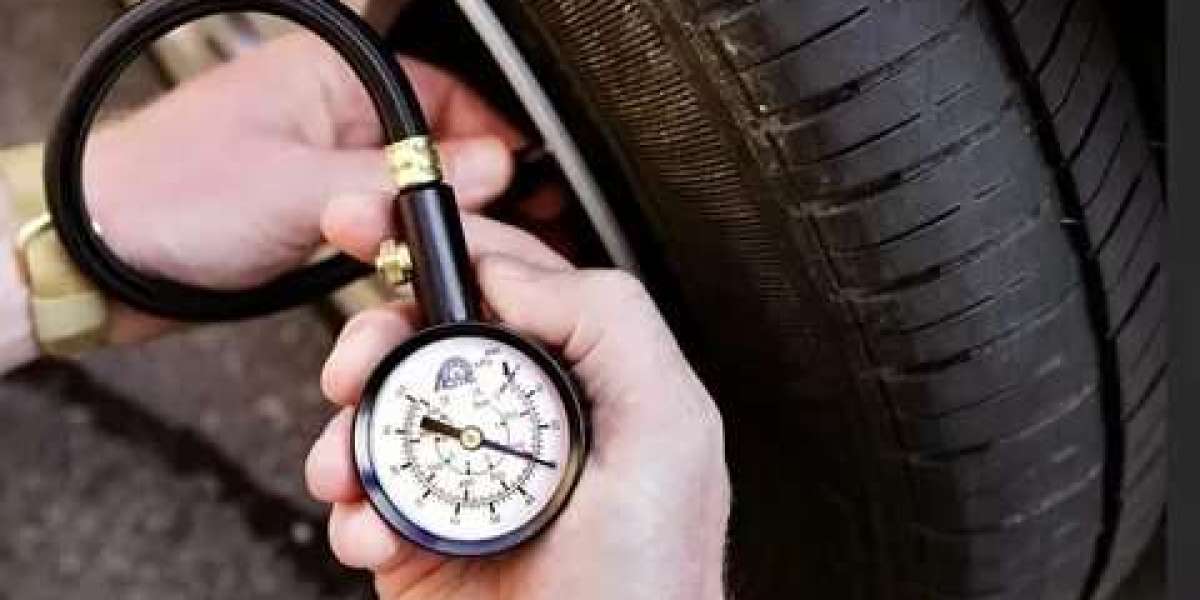

Tires can lose air pressure because of cold weather, small punctures, leaking valves, wheel corrosion, bead problems, or hidden damage from potholes. A small pressure drop across all four tires may happen when temperatures fall, but one tire that keeps going low usually has a specific problem. Canadian weather can make pressure changes more noticeable, especially during sudden cold snaps. Finding the cause early helps protect the tire from heat, uneven wear, poor handling, and avoidable damage on the road.
Drivers sometimes notice tire pressure while their vehicle is being checked for a completely different concern. During an engine repair Calgary visit, for example, mentioning that one tire repeatedly needs air gives the technician a chance to identify whether there is a separate puncture, valve, or wheel issue that should also be addressed. Repeated air loss should not be treated as normal simply because the tire can be inflated again. The cause matters more than how quickly you can top it up.
Cold Weather Naturally Reduces Pressure
Air contracts as the temperature falls, which reduces pressure inside the tire. This is one reason tire pressure warning lights often appear during the first major cold spell. If all four tires drop by a similar amount after a sharp temperature change, weather may be the main reason.
I recommend checking pressure when the tires are cold and adjusting it according to the vehicle placard. Once the weather changes again, check the readings instead of assuming they will remain the same all season. Calgary can experience large temperature swings, so regular winter pressure checks are useful.
A Nail or Screw Can Cause a Slow Leak
Small road debris can enter the tread without causing the tire to go flat immediately. A nail or screw may remain in place and slow the leak enough that the tire loses only a little pressure over several days. This can fool drivers into thinking the problem is temperature-related.
Do not pull an object out of the tire on your own if the tire is still holding air and you need to reach a safe service location. Removing it may allow the air to escape much faster. A technician can inspect the location, angle, and damage to determine whether a proper repair is possible.
Common Reasons Tires Lose Air
Pressure loss can come from several areas:
- Tread puncture: Nails, screws, and sharp road debris can create slow leaks.
- Valve problem: A damaged valve stem or valve core can allow air to escape.
- Bead leak: The sealing area between the tire and wheel may develop a leak.
- Wheel corrosion: Corrosion can interfere with the seal between the wheel and tire.
- Impact damage: Potholes or curbs can damage the tire or bend the wheel.
The leak location is important because not every type of tire damage can be repaired safely.
Valve Stems Can Leak
The valve is the small part used to inflate and check the tire. Valves can become damaged, loosen, age, or develop leaks around the core. A leak here may be small enough that the tire remains usable for days before the pressure warning returns.
Valve condition is easy to overlook because most people focus only on the tread. At Heritage AutoPro and Tire, I would include the valve area when checking a tire that repeatedly loses pressure. Replacing or repairing the actual leaking part makes more sense than continuing to refill the tire every week.
Wheel Corrosion Can Break the Seal
Canadian winter conditions can be hard on wheels. Moisture, road salt, and years of exposure can contribute to corrosion where the tire bead meets the rim. If that surface becomes rough enough, air can slowly escape.
A bead leak may not leave an obvious nail or visible hole in the tread. Sometimes the tire loses pressure gradually even though it looks normal from the outside. The wheel and bead area need to be inspected to confirm the source.
Potholes Can Damage Both Tire and Wheel
A hard pothole impact can pinch the tire, damage internal cords, create a sidewall bulge, or bend the rim. Any of these issues may lead to pressure loss. The damage may appear immediately, or the tire may start leaking slowly after the impact.
If pressure loss begins shortly after hitting a pothole, mention the impact during inspection. Also watch for new vibration or steering changes. A bent wheel and an alignment change can happen during the same event, so looking at the whole situation is helpful.
Temperature Change and a Leak Can Happen Together
It is easy to blame winter when a pressure warning appears during cold weather. Sometimes that is correct, but a real leak can exist at the same time. If three tires remain stable after inflation while one continues dropping, the odd tire deserves closer attention.
Keep a simple pressure gauge in the vehicle and record the readings if needed. Checking the same tire every few days can reveal a clear pattern. That information makes it easier to separate normal weather-related change from a continuing leak.
Driving With Low Pressure Can Damage the Tire
An underinflated tire flexes more as it rolls. Extra flex creates heat and can place stress on the tire structure. The outer shoulders may also wear faster because the tire is not maintaining its intended shape.
Adding air restores pressure, but it does not reverse internal damage that may have happened after extended driving while very low. If a tire has been driven significantly underinflated, tell the technician. Internal inspection may be needed before deciding whether the tire is still safe.
Do Not Depend Only on the Warning Light
A tire pressure monitoring system is useful, but it should not replace regular checks. The warning normally appears after pressure has dropped enough to trigger the system. A tire can therefore be lower than ideal before you see a warning.
Check pressure at least periodically and before long trips. Also look at the tire itself for cuts, bulges, objects in the tread, or obvious damage. Visual inspection and pressure measurement work better together than either one alone.
Fix the Cause Instead of Repeatedly Adding Air
A tire that loses pressure once after a major temperature drop may only need adjustment. A tire that goes low again and again is different. Continuing to add air can hide a puncture, damaged valve, bead leak, bent wheel, or tire damage.
Finding the leak early protects the tire and makes driving more predictable. It can also prevent uneven wear caused by repeated underinflation. When one tire behaves differently from the other three, treat that difference as useful information and have the reason checked before a slow leak becomes a roadside flat.