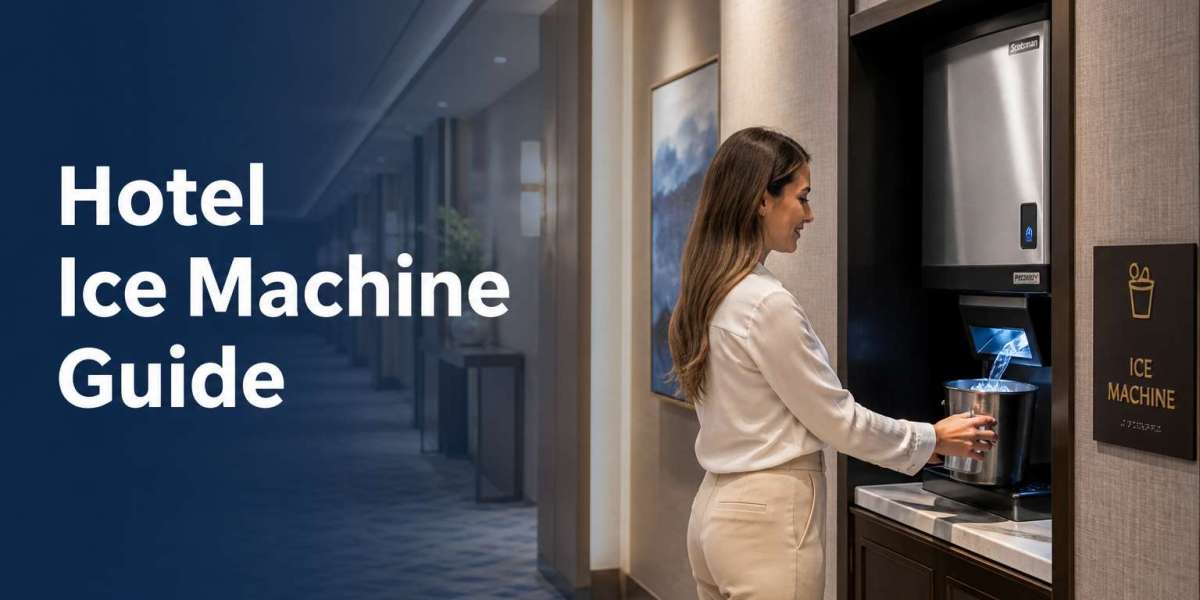

Running out of ice during Saturday dinner service forces bartenders to buy bagged retail ice at premium prices while guests wait — a commercial ice machine restaurant sized for peak demand prevents the operational embarrassment and food safety questions that arise when ice supply depends on convenience store runs mid-shift.
Restaurant ice machines differ from hotel dispensers in production profile, storage bin sizing, and installation location. USA operators must match daily pound output to beverage program volume, bar well demand, and backup requirements while planning water filtration, drainage, and electrical service before rough-in completes.
Calculating Daily Ice Production Needs
Estimate three pounds per restaurant seat for full-service concepts; more for bar-heavy programs and iced beverage promotions. Add twenty percent buffer for summer peaks without oversizing into machines cycling inefficiently during winter when demand drops — AHRI ratings help compare production across brands objectively.
Modular vs. Self-Contained Units
Self-contained units suit smaller operations with limited space. Modular heads on remote bins scale for high-volume kitchens producing five hundred plus pounds daily. Match architecture to growth — replacing undersized self-contained units during year-two expansion costs more than appropriate initial sizing with modest headroom.
AHRI Certification and Performance Ratings
The AHRI certifies ice machine performance under standardized conditions — compare AHRI ratings rather than manufacturer marketing claims when evaluating production capacity. Real-world performance varies with water temperature, ambient conditions, and maintenance discipline affecting heat exchange efficiency over time.
Water Quality and Filtration Requirements
Scale buildup from unfiltered water destroys evaporator plates within months. Install manufacturer-recommended filtration and replace cartridges on schedule — water quality affects ice clarity, taste, and equipment longevity more than brand selection alone in regions with hard municipal water supplies common across USA markets.
NSF Food Zone Sanitation
NSF/ANSI 12 standards govern ice as food product — cleaning and sanitizing schedules are health department inspection items. Slime buildup in bins triggers critical violations. Document cleaning frequency with logs matching manufacturer protocols — inspectors increasingly request ice machine sanitation records specifically during bar and restaurant inspections.
FDA Alignment for Ice Handling
FDA Food Code treats ice as food requiring protected storage and handled with clean utensils. Train staff never to scoop ice with glassware — breakage contamination risks and health violations simultaneously. Ice transport bins need dedicated storage away from raw product zones per code separation requirements.
Installation: Drain, Electrical, Ventilation
Ice machines need floor drains or pump kits, dedicated electrical circuits, and clearance for airflow. Remote condensing units require refrigerant line runs planned during construction — retrofitting after build-out costs significantly more than rough-in coordination during design phase with MEP engineers.
Compare Ice Machine Options
Browse Commercial Ice Machine Restaurant at The Horeca Store and ice equipment in the refrigeration department matching production ratings to your calculated demand. Compare bin capacity ensuring storage covers peak hour draw when production continues but consumption temporarily exceeds output during ticket spikes.
Preventive Maintenance Schedule
Clean and sanitize per manufacturer schedule — typically every two to six months depending on water quality and volume. Descale evaporators when production drops noticeably. Neglected maintenance causes production decline operators misattribute to machine undersizing when cleaning would restore full output immediately.
Backup Ice Protocol
Private events and heat waves exceed normal capacity occasionally. Pre-arrange bagged ice supplier emergency delivery or maintain backup storage in dedicated freezer space. Running out during contracted events damages reputation beyond immediate ice purchase cost — plan overflow before need arises.
Energy Considerations
ENERGY STAR certified ice machines reduce kWh and water consumption — meaningful savings for twenty-four-hour production. Compare energy use figures on AHRI certified models when production specifications otherwise match between candidate units under final evaluation for purchase.
Health Department Ice Inspections
Inspectors examine ice bin interiors, scoop storage, and sanitation logs. Slime, rust, and improper handling generate violations independent of production capacity — equipment quality cannot compensate for operational neglect on ice sanitation specifically targeted during bar-focused inspection visits.
Ice Machine Decision
Select a commercial ice machine restaurant with AHRI-rated production matching peak demand, proper filtration, and documented sanitation protocols. Ice reliability is invisible until failure — sized correctly and maintained diligently, commercial ice equipment eliminates a failure point that guests and inspectors notice immediately when problems surface.
Health Inspection Readiness for Restaurant BOH
County health departments probing commercial ice machine restaurant installations expect NSF-listed equipment, calibrated thermometers, and daily logs with corrective actions documented. Pre-shift temperature checks at the warmest shelf location—not near the evaporator probe—demonstrate FDA Food Code alignment inspectors verify during unannounced walk-throughs on busy lunch services.
Five-Year Total Cost of Ownership
Purchase price tells only part of the story for commercial ice machine restaurant decisions. Add five years of electricity, gasket replacements, and service contracts before comparing Commercial Ice Machine Restaurant models at The Horeca Store within the refrigeration department. ENERGY STAR certified options often return premium pricing within three years through lower kWh draw in hot kitchen ambients exceeding ninety degrees near cooking lines.
Contingency Planning for Equipment Failure
Budget emergency rental refrigeration or quick-ship replacement when legacy units fail mid-weekend. For commercial ice machine restaurant applications, downtime cost exceeds premium unit pricing when factoring lost sales, discard value, and emergency service premiums during heat waves when every refrigeration contractor in your metro is already booked solid.
Receiving and FIFO Discipline
Train receiving staff to move product into cold storage within fifteen minutes during summer deliveries. commercial ice machine restaurant performance depends on workflow before product ever enters the cabinet—ambient staging raises internal temperatures and compresses safe handling windows health inspectors discuss during complaint investigations tracing illness reports.
Multi-Unit Standardization Benefits
Restaurant groups operating multiple locations standardize commercial ice machine restaurant SKUs so regional technicians carry common gaskets and fan motors. Consolidated purchasing leverage improves pricing while simplifying training when managers rotate between stores expecting identical cold storage layouts and logging procedures across counties with different health department forms.
Seasonal Menu Impact on Cold Storage
Summer menus with heavier produce and catering programs increase commercial ice machine restaurant door cycles and interior load. Revisit capacity assumptions seasonally—menus adding brunch buffets or outdoor events may exceed specifications sized for dinner-only volumes at original opening without documented capacity review during menu engineering meetings.
Compare Models and Spec Sheets
Review Commercial Ice Machine Restaurant at The Horeca Store and related solutions in the refrigeration department before dealer quotes lock during equipment package negotiations. Submit NSF cut sheets with plan review applications and verify lead times against your opening timeline—spring season stretches delivery on popular SKUs for commercial ice machine restaurant across USA restaurant markets.
Selection Conclusion
Choose a commercial ice machine restaurant matched to restaurant volume, NSF compliance, and local service support. The AHRI guidance and health department expectations converge on documented temperature control—equipment specification starts the cold chain discipline your team must sustain through logging, maintenance, and training every operating day.
Preventive Maintenance for commercial ice machine restaurant
Schedule condenser coil cleaning, gasket inspection, and calibrated thermometer checks specific to commercial ice machine restaurant duty cycles. Deferred maintenance on restaurant equipment destroys compressors within eighteen months in grease-heavy or high-traffic environments—document PM in CMMS systems triggering work orders rather than calendar reminders staff ignore during labor shortages.
Electrical and Utility Planning
Confirm dedicated circuits and panel capacity before commercial ice machine restaurant equipment arrives on site. Collective kitchen or bar loads cause nuisance trips when compressors start simultaneously with cooking equipment, ice machines, and POS systems—electricians should review spec sheet amperage during rough-in, not after drywall closes around inaccessible panels.
Training Staff on commercial ice machine restaurant Operations
restaurant teams need opening and closing procedures covering temperature logging, sanitation, and alarm response for commercial ice machine restaurant assets. Behavioral discipline matters as much as specification—doors left open during rushes warm product faster than compressors recover on undersized units selected without recovery time analysis during purchase decisions.
Documentation for Audits and Licensing
Organize NSF cut sheets, calibration certificates, and maintenance invoices accessible during health inspections and corporate audits reviewing commercial ice machine restaurant compliance. Inspectors connect inadequate records to systemic food safety culture problems—even momentary probe compliance cannot offset missing logs during complaint investigations tracing illness reports to your operation.