
- Driving after any surgical procedure requires more than simply feeling comfortable enough to sit behind the wheel. After sleeve gastrectomy, patients need to consider pain, mobility, medication effects, reaction time, and their ability to make sudden movements safely. Returning to driving too early may increase the risk of an accident or interfere with recovery.
- Sleeve Gastrectomy in Islamabad is a commonly considered weight-loss procedure for people struggling with obesity and related health concerns. Although the surgery is performed through small laparoscopic incisions in many cases, the body still needs adequate time to recover before normal activities, including driving, are resumed.
- The exact time when a patient can drive varies according to the type of surgery, recovery progress, pain level, medications, and advice from the treating surgeon. Understanding these factors can help patients return to driving safely rather than relying only on a fixed number of days.
When Can You Drive After Sleeve Gastrectomy?
- Many patients may be able to return to driving around 1–2 weeks after sleeve gastrectomy, provided they have recovered sufficiently and their surgeon has cleared them to drive. The timeline is not identical for everyone, and some people may need more time.
- Before getting behind the wheel, you should be able to sit comfortably, wear a seat belt, turn your body sufficiently to check traffic, and operate the steering wheel and pedals without significant pain.
Factors That Determine Your Driving Timeline
- Pain and discomfort: Abdominal soreness can make it difficult to turn, brake suddenly, or react quickly.
- Medication: Prescription pain medicines, particularly those that cause drowsiness or reduced alertness, can make driving unsafe.
- Mobility: You should be able to get into and out of the vehicle without excessive discomfort.
- Reaction time: You need to respond quickly to unexpected traffic situations.
- Surgical recovery: Incisions and internal tissues require time to heal even when external wounds appear small.
Why Should You Avoid Driving Immediately After Surgery?
- Driving requires concentration, coordination, quick reactions, and physical movement. Immediately after sleeve gastrectomy, these abilities can temporarily be affected by anesthesia, medication, fatigue, dehydration, and abdominal discomfort.
- Anesthesia effects: General anesthesia can temporarily affect alertness and coordination. Even after you feel awake, your body may still be recovering from the procedure.
- Pain medication: Some prescription medications can cause sleepiness, dizziness, or slower reactions. Driving while taking medication that impairs alertness can be dangerous.
- Abdominal discomfort: Sudden braking or twisting can put pressure on the abdominal area and cause significant discomfort.
- Fatigue: During the early recovery period, your body is using energy to heal. Feeling unusually tired can reduce concentration behind the wheel.
What Should You Be Able to Do Before Driving?
- Rather than focusing only on the number of days since surgery, evaluate whether you can safely perform basic driving movements without hesitation or significant pain.
You Should Be Able to Sit Comfortably
- You should be able to sit in the driver's seat for an extended period without increasing abdominal discomfort. Adjust the seat and steering wheel so there is no unnecessary pressure on the surgical area.
You Should Be Able to Wear a Seat Belt
- A seat belt is essential for safety, but it can initially feel uncomfortable across the abdomen. You should be able to wear it correctly without significant pain or irritation.
You Should Be Able to Brake Suddenly
- Emergency braking requires forceful movement of the legs and abdominal muscles. Before driving, make sure you can press the brake pedal firmly and quickly without substantial pain.
You Should Be Able to Turn and Check Traffic
- Checking blind spots may require movement of your upper body. You should be able to turn your head and torso adequately without pulling or aggravating your surgical area.
You Should Be Fully Alert
- You should never drive if you feel dizzy, unusually tired, confused, sleepy, or affected by medication.
Does Laparoscopic Sleeve Gastrectomy Allow Faster Recovery?
- Laparoscopic sleeve gastrectomy generally involves several small abdominal incisions rather than one large incision. This approach can support recovery and may allow patients to return to routine activities sooner than with traditional open surgery.
- However, laparoscopic surgery does not mean that you can immediately return to every normal activity. Internal healing continues after you leave the hospital, and your surgeon's instructions should remain the primary guide.
What Happens During Sleeve Gastrectomy?
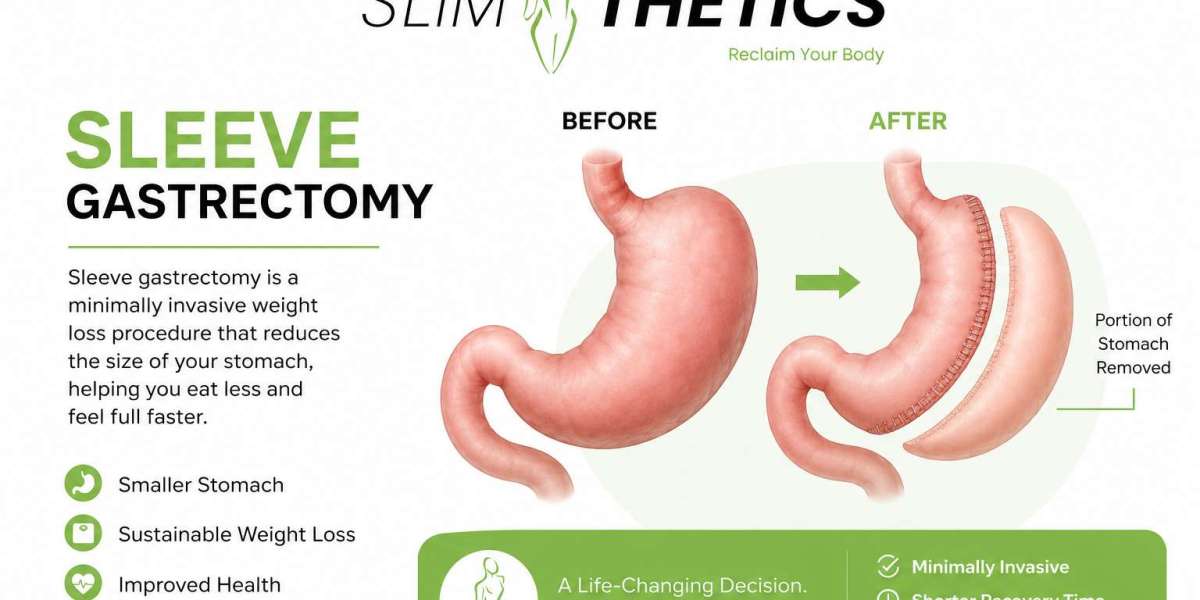
- Sleeve gastrectomy is a bariatric procedure in which a significant portion of the stomach is surgically removed, leaving a smaller, tube-shaped stomach. The reduced stomach capacity can help patients consume smaller portions and support long-term weight management.
The Procedure at a Glance
- Anesthesia: The surgery is performed under general anesthesia.
- Laparoscopic access: Small incisions are commonly used to access the abdomen.
- Stomach reduction: A substantial portion of the stomach is removed.
- New stomach shape: The remaining stomach forms a narrow sleeve-like structure.
- Recovery: Patients are monitored after surgery before gradually returning to normal activities.
What Is Recovery Like After Sleeve Gastrectomy?
- Recovery generally occurs in stages. Patients may initially experience tiredness, abdominal discomfort, nausea, or changes in eating and drinking patterns. These symptoms usually improve as recovery progresses.
First Few Days
- The initial days are focused on rest, hydration, walking as advised, pain management, and monitoring for potential complications. Driving during this period is generally inappropriate because of medication effects, fatigue, and limited mobility.
First Week
- Patients gradually become more mobile and begin adapting to their postoperative diet. Short walks are usually encouraged according to medical advice, but normal activities should be resumed progressively.
Second Week and Beyond
- Some patients may feel ready to resume activities such as driving during this period, but readiness should be based on individual recovery rather than a calendar alone.
Can You Drive Long Distances After Sleeve Gastrectomy?
- Returning to driving and returning to long-distance driving are two different milestones. Even if you have been cleared to drive, prolonged sitting can cause discomfort and fatigue.
- If you need to travel a long distance, consider having another person drive during the early recovery period. Regular breaks can also help you change position, walk briefly, and stay comfortable.
Tips for Your First Drive
- Start with a short trip: Choose a familiar route close to home.
- Drive during daylight: Good visibility can make the first few trips less stressful.
- Avoid heavy traffic: Select a quiet route when possible.
- Check your comfort: Make sure the seat belt and seating position do not aggravate your abdomen.
- Avoid distractions: Concentrate fully on the road.
- Have someone accompany you: A responsible passenger can provide additional reassurance during your first trip.
What Activities Should You Avoid Before Driving?
- Driving is only one part of your recovery. During the early postoperative period, patients should avoid activities that place excessive strain on the abdomen or require significant physical effort until their surgeon approves them.
- Heavy lifting: Avoid lifting heavy objects until your medical team gives you permission.
- Intense exercise: Exercise should be reintroduced gradually.
- Long periods of sitting: Prolonged sitting may contribute to discomfort and reduced mobility.
- Driving while taking sedating medication: Never drive if your medication affects alertness or reaction time.
Is It Safe to Drive After Taking Painkillers?
- This depends on the medication. Some pain medicines can impair concentration, coordination, and reaction speed. If your medication causes drowsiness, dizziness, blurred vision, or delayed reactions, you should not drive.
- Always follow your surgeon's instructions regarding postoperative medications. If you are uncertain whether a particular medicine affects your ability to drive, ask your healthcare professional before getting behind the wheel.
When Should You Contact Your Surgeon?
- Driving should not be your priority if you develop symptoms suggesting that your recovery needs medical attention. Contact your healthcare team if you experience unusual or worsening symptoms.
Seek Medical Advice for Symptoms Such As
- Severe or increasing abdominal pain
- Persistent vomiting or inability to keep fluids down
- Fever or chills
- Increasing redness, swelling, or discharge around an incision
- Significant dizziness or weakness
- Difficulty breathing
- Unusual bleeding
- These symptoms may require prompt assessment, and continuing normal activities without medical advice may not be appropriate.
Sleeve Gastrectomy and Returning to Normal Life
- One of the major goals of bariatric surgery is to help eligible patients achieve meaningful, sustainable weight loss and improve their quality of life. Returning to everyday activities is therefore an important part of the recovery process.
- As recovery progresses, patients can gradually return to work, exercise, social activities, and driving. However, these milestones should be approached progressively and according to individual medical guidance.
Choosing Sleeve Gastrectomy in Islamabad
- For individuals considering bariatric surgery, selecting an experienced surgical team is an important decision. A proper consultation should include an assessment of your health, weight history, BMI, existing medical conditions, medications, lifestyle, nutritional needs, and expectations from surgery.
- Sleeve Gastrectomy in Islamabad should not be viewed simply as a quick weight-loss procedure. Successful treatment involves appropriate patient selection, experienced surgical care, nutritional guidance, postoperative monitoring, and long-term lifestyle changes.
Questions to Ask Your Bariatric Surgeon
- Is sleeve gastrectomy appropriate for my health and weight-loss goals?
- What should I expect during the first few weeks after surgery?
- When can I return to work and normal activities?
- When can I safely drive?
- What diet will I need to follow after surgery?
- Which vitamins and supplements will I require?
- How will my progress be monitored after surgery?
Long-Term Success After Sleeve Gastrectomy
- Surgery is an important tool, but long-term results depend on how well patients follow their postoperative plan. Eating appropriate portions, prioritizing protein, maintaining hydration, exercising when medically approved, attending follow-up appointments, and taking prescribed supplements can all contribute to healthier long-term outcomes.
- Patients should also remember that weight loss does not happen at exactly the same rate for everyone. Individual results can depend on starting weight, metabolism, eating habits, physical activity, medical conditions, and adherence to the recommended lifestyle plan.
Final Thoughts
- The answer to “When can you drive after sleeve gastrectomy?” is not simply a specific number of days. Many patients may return to driving after approximately one to two weeks, but only when they are comfortable, alert, mobile, free from impairing medication effects, and medically cleared where appropriate.
- If you are considering Sleeve Gastrectomy in Islamabad, professional guidance can help you understand the complete journey—from your initial consultation and preparation to surgery, recovery, nutrition, and long-term weight management. The right treatment plan should always be personalized to your medical needs.
- At Slimthetics Clinic, patients can receive structured guidance throughout their weight-loss journey, including bariatric surgery consultation, preparation, postoperative care, and lifestyle support. If you are exploring sleeve gastrectomy and want to understand whether it may be suitable for you, a consultation with the Slimthetics team can help you make a more informed and confident decision.