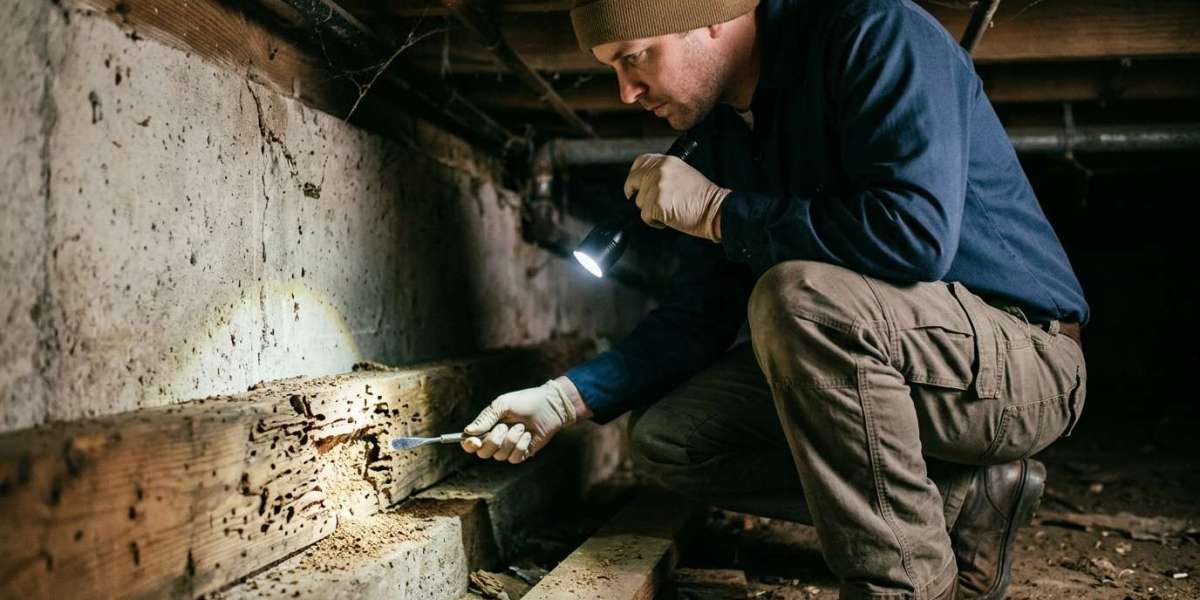
Wood can make a building strong, comfortable, and attractive, but it can also become a target for certain insects. Termites, carpenter ants, carpenter bees, and some wood-boring beetles can damage wooden structures over time. In many cases, the damage develops slowly and may not be easy to see at first.
A Wood Destroying Insects Inspection can help identify signs of insect activity, conditions that may attract these pests, and areas where wood may already be damaged. Understanding how these inspections work can help homeowners and property managers make informed decisions about building maintenance.
Kreshco Pest Control, located at 14200 St James Ave, Cleveland, OH 44135, provides pest control services in the surrounding area. This guide focuses on the informational side of wood-destroying insects and explains why regular awareness can be valuable for property owners.
What Are Wood-Destroying Insects?
Wood-destroying insects are pests that can damage, tunnel through, or use wood as part of their habitat. Different insects damage wood in different ways.
Termites
Termites are among the best-known wood-destroying insects. They feed on cellulose, which is found in wood and other plant materials.
Subterranean termites often live in soil and may enter structures through foundations or other connections between the ground and building.
Because termites can work inside wood, an infestation may remain unnoticed for some time.
Carpenter Ants
Carpenter ants do not eat wood in the same way termites do. Instead, they excavate wood to create tunnels and nesting areas.
They are often associated with damp or damaged wood.
Signs can include sawdust-like material, small openings, or ants appearing around wooden structures.
Carpenter Bees
Carpenter bees create round holes in wood for nesting. They may target exposed, unfinished, or weathered wood.
Although individual damage may appear small, repeated activity can affect wooden structures over time.
Wood-Boring Beetles
Certain beetles can damage wood during their larval stage. Their activity may create tunnels and small exit holes.
The type and age of the damage can help provide clues about the insect involved.