
Termites are easy to overlook. They are small, often hidden from view, and can spend a long time inside or around a home before a homeowner notices a clear sign of activity. By the time damaged wood or other evidence becomes obvious, the underlying issue may have been present for some time.
A termite inspection can help homeowners understand whether accessible areas of a property show signs of termites or other wood-destroying insects. It can also bring attention to conditions that may deserve further investigation.
For homeowners in Iselin, New Jersey, knowing how termite inspections work can be helpful whether you are maintaining your current home, preparing to sell, or considering a property purchase. Zee Home Inspection is located at 453 Charles St, Iselin, NJ 08830, but this article is designed to provide general information rather than promote a specific service.
Why Termites Can Go Unnoticed
One of the biggest challenges with termites is that they do not always announce their presence.
They Can Stay Out of Sight
Some termites travel through soil, inside wood, or through concealed areas of a structure. This means a homeowner may not see live insects during a normal walk around the house.
Instead, the first clue may be damaged wood, mud tubes, discarded wings, or another unusual change.
Damage Can Develop Slowly
Termite damage does not always appear overnight. Depending on the species, colony, environment, and other factors, damage can develop over an extended period.
That is why early signs deserve attention.
What Is a Termite Inspection?
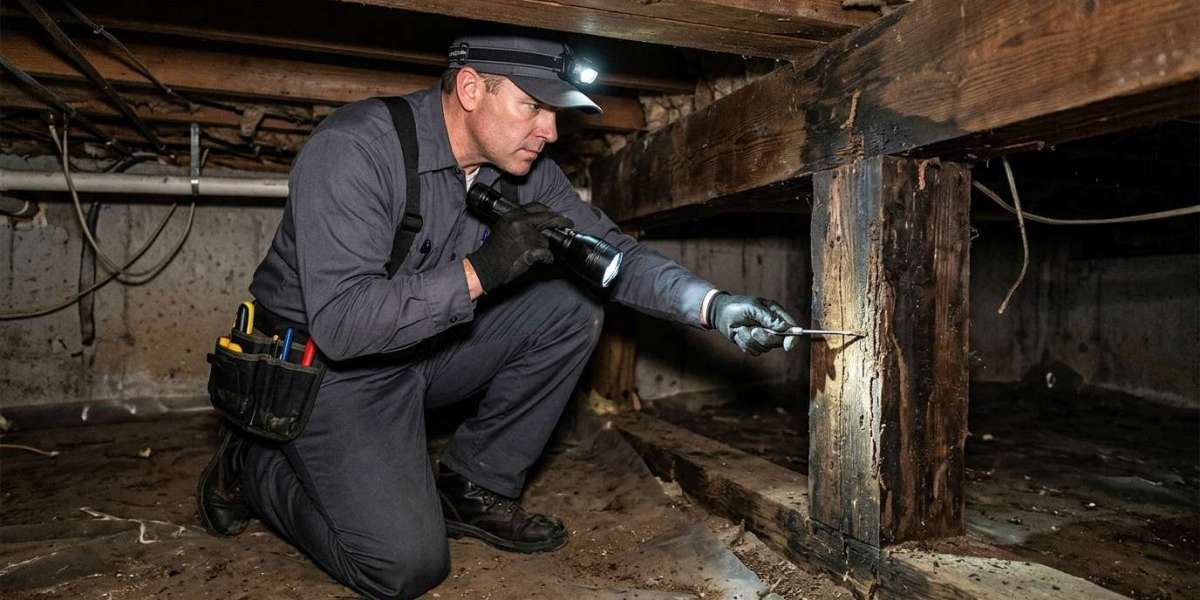
A termite inspection is an evaluation of accessible areas of a property for evidence of termites and other wood-destroying insects.
An inspection may include parts of the exterior, foundation, basement, crawlspace, attic, garage, and accessible interior areas.
What May Be Observed?
An inspector may look for:
- Mud tubes
- Damaged or deteriorated wood
- Discarded wings
- Swarmers
- Exit holes
- Visible insects
- Previous treatment evidence
- Conditions that may contribute to insect activity
The exact scope can vary depending on the property and the type of inspection being performed.
7 Signs That May Point to Termite Activity
Knowing what to look for can help homeowners decide when additional evaluation may be useful.
1. Mud Tubes
Subterranean termites may build narrow tubes made from soil and other materials.
These tubes are commonly found along foundations, walls, crawlspaces, or other areas where termites can travel between soil and the structure.
Do Mud Tubes Always Mean Active Termites?
Not necessarily. An old tube may no longer be active.
However, its presence is still worth investigating.
2. Discarded Wings
Termite swarmers may shed their wings after leaving a colony.
Small piles of similar wings near windows, doors, or light sources can be a warning sign.
3. Damaged Wood
Wood affected by termites may show changes in texture or appearance.
However, wood damage can also result from age, water, decay, or other insects.
4. Hollow-Sounding Wood
Some damaged wood may sound different when gently tapped.
This is not a definitive termite test, but unusual changes can justify closer evaluation.
5. Small Exit Holes
Certain wood-destroying insects can leave small holes in wood.
Because different insects produce different patterns, identification is important.
6. Doors or Windows That Suddenly Stick
Changes in doors or windows can have many causes, including seasonal movement, settling, humidity, or structural changes.
In some situations, however, unexplained wood damage may be worth investigating.
7. Previous Pest Treatment
Records of previous termite or pest treatment can provide useful information about a property's history.
A previous treatment does not automatically mean there is an active problem today, but it is relevant background.
Where Are Termites Most Likely to Be a Concern?
There is no single location where termites will always be found.
Foundation Areas
Subterranean termites can enter structures from the soil, making foundation areas important to observe.
Basements and Crawlspaces
These areas may contain exposed structural wood and can sometimes have moisture or drainage concerns.
Why Crawlspaces Deserve Attention
Crawlspaces are often dark and difficult for homeowners to access regularly. This can allow signs of wood damage or moisture to go unnoticed.
Exterior Wood
Decks, steps, fences, sheds, and other wooden structures can also show signs of insect activity.
Attics
Attics contain wood framing and may be affected by different types of wood-destroying insects.
Termites Are Not the Only Wood-Destroying Insects
A common mistake is assuming that every damaged piece of wood has been affected by termites.
Carpenter Ants
Carpenter ants tunnel into wood to create nests but do not eat wood as their primary food source.
Wood-Boring Beetles
Some beetles can leave small holes and tunnels in wooden materials.
Why Identification Matters
The signs of different insects can overlap. Proper identification helps determine what type of problem may be present and what type of professional should handle it.
Why Termite Inspection Matters Before Buying a Home
A house may look beautiful during a showing and still have hidden maintenance concerns.
Cosmetic Improvements Do Not Tell the Whole Story
Fresh paint, new flooring, or renovated rooms can improve a home's appearance. They do not necessarily explain what happened to the structure in previous years.
Look at the Property's History
Potential buyers can ask about:
- Previous termite treatment
- Pest-control records
- Water damage
- Structural repairs
- Basement moisture
- Previous renovations
A termite inspection can provide additional information when there are signs or concerns.
Termite Inspection Before Selling a Home
Sellers may also want to understand the property's condition before putting it on the market.
Why Early Information Can Be Useful
If a buyer discovers possible termite damage during their inspection, the discovery may lead to questions, negotiations, or requests for additional evaluation.
Learning about a concern earlier can give the seller more time to understand the issue.
A termite inspection is not necessary for every seller, but it can be worth considering when there is known history of termite activity or visible evidence.
How Moisture Can Affect Wood Conditions
Termites and moisture are related topics, but moisture alone does not mean termites are present.
Water Damage Can Weaken Wood
Leaks, flooding, poor drainage, and condensation can contribute to wood deterioration.
Damaged wood can then become a separate maintenance concern even if insects are not involved.
Good Drainage Helps
Homeowners can reduce unnecessary moisture around the property by:
- Keeping gutters clear
- Directing downspouts away from the foundation
- Repairing plumbing leaks
- Addressing roof leaks
- Preventing standing water
- Maintaining proper drainage
These steps support general home maintenance and do not guarantee protection from termites.
What Happens During a Termite Inspection?
The process depends on the inspector and the type of inspection requested.
Exterior Inspection
Accessible exterior areas may be reviewed for mud tubes, damaged wood, insect evidence, and conditions around the foundation.
Interior Inspection
Accessible interior areas may be checked for signs of wood-destroying insect activity.
Basement and Crawlspace Inspection
Where safe and accessible, these areas may receive particular attention because they can contain exposed structural components.
Not Every Area Is Accessible
Finished walls, covered structural components, stored belongings, or unsafe spaces may prevent complete visual access.
Homeowners should understand the inspection's scope and limitations.
What Happens If Evidence Is Found?
Finding possible termite evidence does not automatically mean the entire home needs major repairs.
Confirm the Finding
Other insects and forms of wood damage can resemble termite damage.
A qualified professional should evaluate questionable evidence.
Determine Whether Activity Is Current
Evidence of old activity is different from evidence suggesting an active infestation.
Treatment and Repairs Are Different
If termites are confirmed, pest-control treatment may address the insects. Structural damage, if present, may require separate repair work.
The appropriate solution depends on the location and extent of the damage.
How Homeowners Can Monitor Their Property
You do not have to wait for an inspection to pay attention to your home.
Check Foundation Areas
Look for unusual mud tubes or damaged wood.
Inspect Exterior Wood
Pay attention to decks, steps, fences, and other structures.
Watch for Moisture
Damp areas around the foundation can create broader property maintenance concerns.
Keep Records
Save pest-control reports, repair invoices, and treatment records. These documents can be useful when maintaining or selling a home.
Final Thoughts
A termite inspection can provide useful information about possible wood-destroying insect activity and the condition of accessible areas of a property. Termites are often difficult to see, so homeowners should pay attention to indirect clues such as mud tubes, discarded wings, damaged wood, and unexplained changes.
For homeowners in Iselin, NJ, including the area around 453 Charles St, routine awareness can make it easier to notice changes before they become major concerns.
Whether you are buying, selling, or simply maintaining your home, remember that not every damaged piece of wood means termites are present. At the same time, unusual signs should not be ignored.
The goal of a termite inspection is not to create fear—it is to replace uncertainty with useful information about the property.