
Selling a home often starts with a simple thought: “Is my house ready for the market?” Many sellers focus on cleaning, painting, improving curb appeal, and taking better photos. These steps can make a home look attractive, but appearance is only part of the selling process.
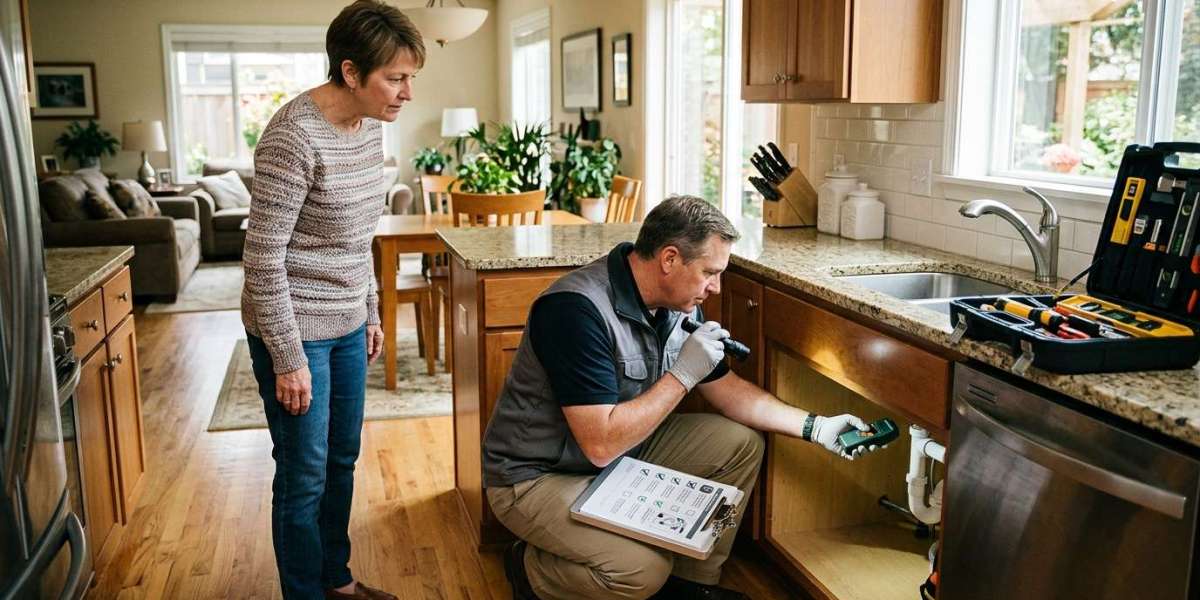
A Pre-Listing Inspection gives homeowners a different kind of information. Instead of looking at the property only through a buyer's eyes, sellers can learn about the visible condition of important home components before accepting an offer.
For homeowners in Iselin, New Jersey, including the area around 453 Charles St, understanding the inspection process can help make the selling journey more organized. Zee Home Inspection is located at 453 Charles St, Iselin, NJ 08830, but this content is intended to provide useful information rather than promote a particular company.
What Questions Should Sellers Ask Before Listing?
A home inspection can uncover many types of conditions. Before listing, sellers should think about the questions a buyer might eventually ask.
Is the Roof in Good Visible Condition?
The roof is one of the first places worth considering.
A visual inspection may identify concerns such as damaged shingles, missing materials, deteriorated flashing, visible leaks, or drainage issues.
An older roof does not automatically mean replacement is necessary. However, knowing its approximate age and visible condition can help sellers prepare for questions about its remaining service life.
Are There Any Signs of Water Problems?
Water can create problems that are not immediately obvious.
Sellers should pay attention to:
- Basement walls
- Crawlspaces
- Attics
- Bathrooms
- Areas beneath sinks
- Around windows
- Exterior foundation areas
Water stains, damp materials, peeling finishes, or musty odors can be useful clues.
Why Moisture Deserves Special Attention
A small stain on a wall may seem harmless, but it could represent an older leak—or an active moisture problem.
The visible mark alone may not explain where the water came from.
A Pre-Listing Inspection can document observable evidence and help the seller understand whether additional evaluation may be appropriate.
Are the Plumbing Components Working Properly?
Plumbing is one of those systems people often ignore until something goes wrong.
Look Beyond the Kitchen and Bathroom Fixtures
Accessible plumbing components may include:
- Supply pipes
- Drain lines
- Water heaters
- Faucets
- Toilets
- Shutoff valves
- Visible connections
A slow leak under a sink, for example, can damage cabinets and flooring if it continues for a long period.
What Should Sellers Do About Small Leaks?
If a visible leak is found, the seller can decide whether to repair it before listing or discuss the condition with their real estate professional.
The important part is knowing about the issue before a buyer discovers it unexpectedly.
What Does the Electrical System Look Like?
Electricity is essential to modern living, but most wiring is hidden inside walls.
Accessible Electrical Areas Still Matter
An inspection may look at visible conditions involving:
- Electrical panels
- Breakers
- Wiring
- Receptacles
- Switches
- Grounding-related components
Older homes may have older electrical equipment or modifications completed at different times.
If an inspection identifies a condition that requires specialized knowledge, an electrician may need to evaluate it further.
How Old Is the HVAC System?
Heating and cooling equipment can influence a buyer's expectations about future maintenance costs.
Know the Basics
Sellers should try to understand the approximate age and visible condition of their:
- Furnace
- Air conditioner
- Heat pump
- Ductwork
- Thermostat
- Venting
A system that is operating does not necessarily mean it is new.
An older HVAC system may still provide reliable service, but its age can help sellers answer reasonable questions from potential buyers.
Are There Concerns With the Foundation?
The foundation supports the structure and deserves attention before a home goes on the market.
Do All Cracks Mean Trouble?
No.
Cracks can develop for different reasons, including settlement, temperature changes, material movement, and moisture conditions.
An inspector considers the visible characteristics and surrounding conditions rather than assuming every crack has the same meaning.
When Is Further Evaluation Needed?
If a visible condition appears significant, a structural professional may be recommended for additional assessment.
The goal is not to create unnecessary fear. It is to understand a condition before making decisions about it.
What Is Happening in the Attic?
Most sellers rarely visit their attic.
That makes it easy for problems to remain unnoticed.
An Attic Can Reveal Useful Information
Depending on accessibility, an inspection may observe:
- Insulation
- Ventilation
- Roof leaks
- Moisture
- Framing
- Pest evidence
An attic condition that has been developing for years may become important when a buyer performs due diligence.
Knowing about it early gives the seller more time to understand the situation.
Is the Crawlspace Accessible and Dry?
Crawlspaces are another commonly overlooked area.
What May Be Observed?
An accessible crawlspace may provide information about:
- Moisture
- Drainage
- Plumbing
- Insulation
- Structural supports
- Wood deterioration
A seller should never enter a crawlspace that appears unsafe.
Limited clearance, standing water, exposed wiring, or unstable materials can create hazards.
Does Water Drain Away From the Home?
A home's exterior can affect its interior condition.
Look at Gutters and Downspouts
Gutters should generally move rainwater toward appropriate discharge areas.
Downspouts that release water directly beside the foundation may contribute to moisture concerns.
Check the Ground Around the Home
Poor grading can allow water to collect near foundation walls.
A simple look at the exterior after rainfall can sometimes reveal areas where water does not move as expected.
Could There Be Termite or Pest Activity?
Wood-destroying insects can cause damage without being obvious during a normal home tour.
Possible Warning Signs
Watch for:
- Mud tubes
- Discarded wings
- Damaged wood
- Small holes
- Deteriorated wooden components
A general inspection may identify visible evidence, but a dedicated Termite Inspection may be appropriate when there are signs of wood-destroying insects.
Should Sellers Think About Radon?
Radon is different from many other home conditions because it cannot be seen, smelled, or tasted.
Testing Provides Specific Information
A Pre-Listing Inspection evaluates visible property conditions, while radon testing measures the level of radon inside the home.
Testing before listing can help a seller understand the property's radon level before a buyer brings up the subject.
If a concern is identified, the seller can seek appropriate professional advice and understand available options.
What About Mold and Musty Odors?
Mold concerns often connect back to moisture.
Look for the Clues
Sellers may notice:
- Musty odors
- Water stains
- Persistent condensation
- Damp areas
- Previous flooding
- Visible growth
A general inspection can document visible conditions, while specialized mold assessment or testing may be appropriate for specific concerns.
Find the Moisture Source
Cleaning a visible area may not solve the problem if moisture continues entering the property.
Understanding the source is an important part of addressing moisture-related concerns.
Does Every Inspection Finding Need to Be Repaired?
This is one of the most important questions sellers can ask.
The answer is no.
Understand the Difference Between Findings
Some conditions may be simple maintenance items.
Others may involve safety concerns, active water intrusion, structural issues, or major system defects.
A seller can consider the severity, cost, age of the property, and advice from appropriate professionals before deciding what to do.
Repair, Replace, Monitor, or Disclose?
Depending on the situation, a seller may decide to:
Repair: Fix the condition before listing.
Replace: Remove an aging or failed component.
Monitor: Keep an eye on a minor condition that does not require immediate action.
Seek specialist advice: Get more information before making a decision.
The best choice depends on the specific property.
How Can Sellers Prepare for an Inspection?
A little preparation can make the inspection easier.
Keep Important Areas Accessible
Try to provide reasonable access to:
- Electrical panels
- HVAC equipment
- Water heaters
- Attic entrances
- Crawlspace entrances
- Utility areas
- Basement spaces
Stored belongings can prevent an inspector from seeing important components.
Gather Maintenance Records
If available, keep records for major work such as:
- Roof repairs
- HVAC service
- Plumbing upgrades
- Electrical work
- Pest treatments
- Renovations
These records can provide helpful background about the property.
Final Thoughts
A Pre-Listing Inspection is not about making a home perfect before selling it. It is about understanding the property before a buyer does.
For homeowners in Iselin, NJ, including those around 453 Charles St, asking the right questions about the roof, foundation, plumbing, electrical system, HVAC equipment, moisture, attic, crawlspace, drainage, and possible pests can help reduce uncertainty.
Zee Home Inspection, located at 453 Charles St, Iselin, NJ 08830, is a local home inspection company, but the broader lesson applies to sellers everywhere: the more you understand about your home's condition, the better prepared you can be for the selling process.
A house does not need to be flawless to attract a buyer. What matters is having realistic expectations, understanding potential concerns, and making informed choices before the property enters the market.