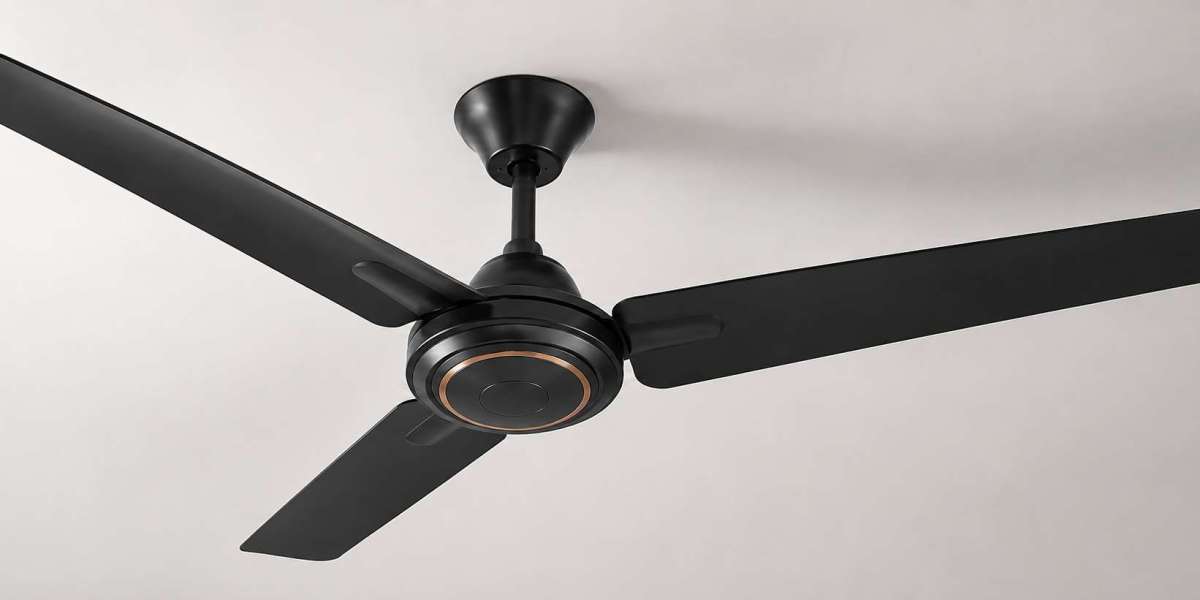

A buyer may approve a fan because the design looks right, only to discover later that the production model has different specifications. For B2B purchasing, a Ceiling Fan is not simply a finished appliance; motor performance, airflow, blade balance, controls, finish, packaging and documentation all affect the final cost.
For wholesalers, procurement managers and brand owners, selecting the right Ceiling Fan Manufacturers means checking what happens before the shipment leaves the factory. Rotex has been manufacturing fans since 2017 and offers modern, BLDC, smart and remote-control categories.
The Details Buyers Should Put on the Purchase Order
The catalogue gives you the starting point. The approved specification should control the order.
Motor and power consumption
Rotex's published range includes BLDC and other motor options. Its PHI and Amaze models, for example, list 35W BLDC motors, while the wider range covers different power requirements.
That distinction matters because wattage alone does not establish performance. Buyers should compare power consumption with airflow, speed range and intended application.
Sweep size and airflow
Sweep size is another basic specification that should not be left to assumption when selecting modern ceiling fans. Rotex's published product information includes models ranging from compact 600mm fans to larger designs, with airflow specifications varying by model.
Here's the commonly missed point: a larger blade does not automatically make a fan suitable for every project. Room dimensions, ceiling height and required air circulation should be considered before sampling approval to ensure the selected modern ceiling fans deliver the required airflow for the intended space.
Controls, finish and construction
Modern fans may include remote control, timer, sleep mode, LED speed indication or other electronic functions. Rotex's Amaze model, for instance, lists remote control, timer and sleep mode.
For a bulk order, these features should be written into the specification sheet. If the purchase order only says “modern ceiling fan,” there is too much room for interpretation.
Five Checks Before Selecting a Manufacturer
A low quotation can look attractive until the first complaint arrives. Use these five checks before releasing the purchase order.
1. Specification compliance: Match the quotation, approved sample and final PO. If a supplier says, “The production model will be similar,” ask for the exact specification. Similar is not compliance.
2. QC inspection: Ask what gets checked before dispatch. Rotex's published manufacturing information refers to testing related to airflow, motor performance and blade balance.
3. Certification validity: Verify which certificate applies to the model being purchased and whether the document is current. Rotex publicly lists BIS, BEE 5 Star, IEC, MSME, ZED Bronze and certificate-of-conformity documentation.
4. MOQ and lead time: Confirm both for the exact model, colour, finish and quantity. A general delivery promise is not enough for project procurement.
5. Packaging standards: Ask how blades, motors, decorative finishes and accessories are protected. A factory can produce a correct fan and still lose money through poor packing and transit damage.
Most delays do not begin on the production floor. They begin when specifications remain unclear until sampling is already underway.
Why Location Is a Supply Chain Decision
For buyers comparing Ceiling Fans Suppliers in India, manufacturing location affects more than transportation.
Rotex operates from J K Industrial Park, Plot No. 38–39, Mavdi-Lodhika Road, behind Surbhi Industrial Zone, Taravada, Rajkot, Gujarat – 360004.
A nearby manufacturing base can make sampling, production follow-up, QC coordination and freight planning more practical. Still, location should never replace supplier evaluation.
For Ceiling Fans Dealers in India, availability is equally important. A product that sells well but repeatedly goes out of stock can create dead sales opportunities and push customers toward competing brands.
How We Approach Modern Fan Manufacturing
We started our manufacturing journey in 2017 and operate from Taravada, Rajkot. Our product range covers modern ceiling fans along with BLDC, smart, remote-control and lighting categories.
We focus on product parameters that matter after installation, including airflow, motor performance and blade balance. Our modern fan range also includes models designed around low energy consumption, contemporary finishes and remote-control functionality.
We've found that sampling approval is not the end of procurement. The approved sample needs to remain the reference when the production batch is assembled, checked and packed. That is where many specification disputes begin.
Conclusion
Selecting Ceiling Fan Manufacturers in India should begin with specification compliance, not catalogue appearance. The right Ceiling Fan Manufacturers should clearly discuss motor performance, airflow, QC inspection, applicable certificates, MOQ, packaging and realistic lead times. For buyers sourcing modern ceiling fans for living room applications, these checks become even more relevant because design, airflow and energy efficiency all influence the final product choice. As demand for modern and energy-efficient fan categories grows, a documented sourcing process can help buyers maintain consistency and control across future production orders.
FAQs
1. What should I check before selecting Ceiling Fans Suppliers?
Check the exact motor, sweep size, airflow, controls, finish, MOQ, lead time and applicable documentation. Ask for an approved sample before releasing the production order.
2. Are modern ceiling fans suitable for wholesale purchasing?
Yes, particularly where retailers or projects need contemporary designs, BLDC motors or remote-control features. The caveat is that feature-rich models can have a higher purchase price, so wholesalers should compare expected selling price and dealer margin.
3. How can Ceiling Fans Dealers reduce product complaints?
Dealers should keep the manufacturer's model number, product specification and warranty information with each sale. If the original specification was never documented, resolving a later complaint becomes much harder.
4. Why should buyers compare manufacturers instead of only suppliers?
Manufacturers can generally provide greater visibility into product specifications, sampling and production requirements. However, direct sourcing may also involve higher MOQ or greater buyer involvement in freight planning, so the commercial structure should be evaluated carefully.
5. How can I verify Ceiling Fan Manufacturers in India?
Review the manufacturer's product pages, technical information, certificates and manufacturing details. Do not select a supplier solely because its catalogue has attractive photographs or the lowest quotation.