
How Memory Technology Is Evolving in China's Digital Economy
Memory technology has become an increasingly important part of the digital economy. Smartphones, cloud platforms, artificial intelligence systems, data centers, connected vehicles, and industrial technologies all depend on memory components to store and process information efficiently.
China is investing heavily in developing its domestic semiconductor capabilities, including DRAM and NAND flash technologies. The country's memory sector is being shaped by rising demand for data-intensive applications, government support for semiconductor development, and efforts to strengthen local supply chains. The China memory market was valued at USD 23.88 billion in 2025, CAGR is 7.90% during the forecast period of 2026-2035, according to Expert Market Research.
The Growing Importance of Memory Technology
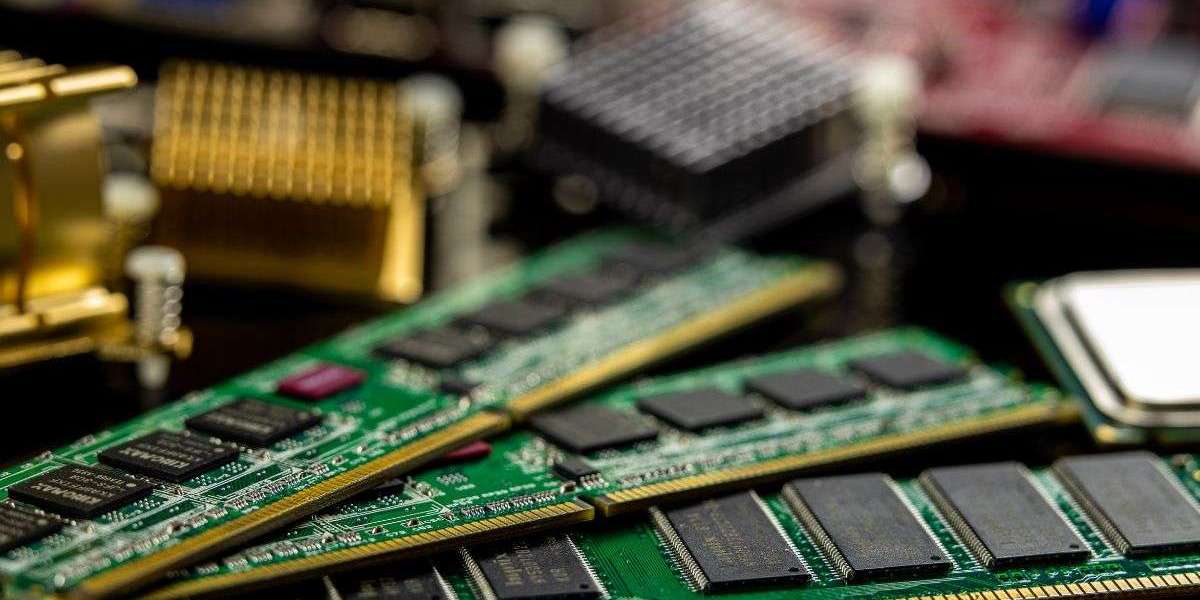
Memory chips perform a critical role in modern electronic systems. DRAM provides fast temporary data storage for computers, servers, smartphones, and other devices, while NAND flash provides non-volatile storage for products such as solid-state drives and mobile devices.
The rapid expansion of artificial intelligence and cloud computing is increasing the need for high-performance memory and storage. Data centers require substantial memory capacity to support computing workloads, while consumer devices increasingly rely on faster and higher-density memory components.
China's growing digital economy is therefore creating strong demand for advanced memory technologies across multiple industries.
Strengthening Domestic Memory Production
China's semiconductor strategy increasingly emphasizes domestic production and supply-chain resilience. Local companies are expanding capabilities across memory manufacturing, packaging, testing, equipment, and materials.
ChangXin Memory Technologies (CXMT) has become a major domestic DRAM producer, while Yangtze Memory Technologies (YMTC) is a leading Chinese NAND flash manufacturer. These companies are increasingly important to China's efforts to strengthen domestic memory production.
The development of local suppliers is also creating broader semiconductor clusters. For example, Hefei has developed an integrated circuit ecosystem around CXMT that includes companies involved in manufacturing, packaging, testing, equipment, and materials.
Advances in DRAM and NAND Technology
DRAM and NAND remain two of the most important memory technologies in China's semiconductor industry. Domestic manufacturers are working to improve production capacity, product performance, and manufacturing efficiency.
China's progress in these areas is also reflected in the growing capabilities of local memory manufacturers. CXMT has expanded its presence in the global DRAM market, while YMTC has strengthened China's position in NAND flash. Recent industry developments show that both companies are becoming increasingly important players in their respective memory segments.
Continued investment in research and development could help domestic manufacturers improve their competitiveness while supporting the country's broader semiconductor objectives.
Memory Technology and Artificial Intelligence
Artificial intelligence is becoming one of the strongest drivers of memory demand. AI systems require large amounts of data to be stored, transferred, and processed, placing greater demands on memory bandwidth and capacity.
High-performance computing systems increasingly use advanced memory technologies to support AI workloads. This is encouraging manufacturers to explore higher-density DRAM, advanced storage technologies, and high-bandwidth memory solutions.
The global memory industry is experiencing particularly strong demand because of AI infrastructure and data-center investment. Gartner has forecast substantial semiconductor revenue growth in 2026 and expects memory revenue to increase sharply amid tight supply and rising prices.
For China, the AI boom creates both an opportunity to expand domestic memory production and a challenge to develop more advanced technologies.
Role of Data Centers and Cloud Computing
The expansion of cloud computing is another major factor shaping memory demand. China's digital economy increasingly depends on data centers that support online services, enterprise applications, artificial intelligence, streaming, e-commerce, and other digital platforms.
Data centers require memory components across servers, storage systems, networking equipment, and specialized computing platforms. As workloads become more data-intensive, operators need technologies capable of delivering greater capacity, speed, and energy efficiency.
This trend is encouraging investment in memory manufacturing while creating opportunities for companies involved in storage, packaging, testing, and related semiconductor technologies.
Consumer Electronics Driving Memory Demand
Consumer electronics remain another major application for memory technology. Smartphones, laptops, tablets, gaming devices, smart appliances, and connected products all require memory and storage components.
China has a large electronics manufacturing ecosystem, creating strong domestic demand for semiconductor components. The increasing adoption of high-performance smartphones and intelligent devices is encouraging manufacturers to develop products with greater memory capacity and faster storage.
Automotive electronics are also becoming increasingly important. Electric vehicles and advanced driver-assistance systems require memory for sensors, control systems, infotainment platforms, and computing applications.
Building a Stronger Semiconductor Ecosystem
The development of memory technology is not limited to chip fabrication. A competitive industry also requires supporting capabilities in semiconductor equipment, materials, packaging, testing, and chip design.
Recent investment in China's memory sector is contributing to the development of these interconnected industries. The growth of local memory production has helped attract suppliers and related businesses, creating regional semiconductor clusters.
A stronger ecosystem can potentially improve supply-chain flexibility and reduce dependence on overseas suppliers for selected manufacturing processes.
The Impact of Government Support
Government support remains an important factor in China's semiconductor development. Policies and investment programs have encouraged domestic companies to expand research, production capacity, and technological capabilities.
The China memory industry has benefited from substantial public and private investment aimed at strengthening local semiconductor manufacturing. Expert Market Research identifies government initiatives, including support associated with "Made in China 2025," as an important factor behind the industry's growth.
This support is helping create an environment where domestic memory manufacturers can invest in capacity expansion and long-term research.
Challenges Facing China's Memory Industry
Despite significant progress, China's memory industry continues to face challenges. Advanced semiconductor manufacturing requires sophisticated equipment, specialized materials, engineering expertise, and extensive research and development.
Export restrictions and geopolitical tensions can also affect access to certain semiconductor technologies and manufacturing equipment. As a result, Chinese companies are increasingly exploring domestic alternatives and developing local supply-chain capabilities. Recent industry analysis indicates that domestic semiconductor equipment suppliers are gaining importance as memory production capacity expands.
Another challenge is maintaining competitiveness during periods of changing memory prices and global supply-demand cycles.
Future of Memory Technology in China
The future of memory technology in China is likely to be shaped by AI, cloud computing, advanced consumer electronics, automotive applications, and continued semiconductor localization.
The country is already expanding capabilities in DRAM and NAND, while the broader industry is exploring newer memory technologies and advanced packaging approaches. PwC expects China to increase its role in global memory manufacturing capacity through continued investment in DRAM and NAND production.
As domestic manufacturers improve production capabilities and invest in research, memory technology could become an even more important component of China's digital and industrial transformation.
Conclusion
Memory technology is becoming a strategic part of China's digital economy. Rising demand from artificial intelligence, data centers, smartphones, cloud computing, automotive electronics, and connected devices is creating opportunities for domestic memory manufacturers.
Companies such as CXMT and YMTC are helping strengthen China's DRAM and NAND capabilities, while growing semiconductor ecosystems are supporting the wider supply chain.
Although challenges related to advanced manufacturing, technology access, talent, and global competition remain, continued investment and innovation could further strengthen China's position in the global memory technology landscape.