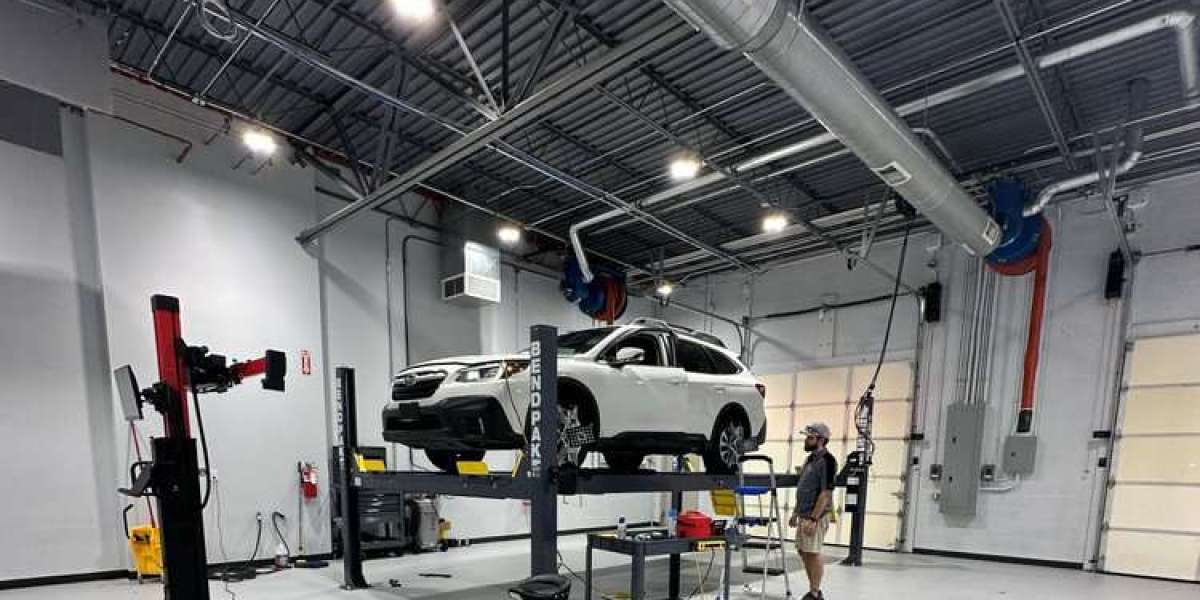

A split-second mistake behind the wheel can lead to serious consequences, making vehicle safety more important than ever. Modern cars now include advanced technologies designed to help drivers stay alert and avoid hazards on the road. In the automotive industry, ADAS solutions have become a key part of improving vehicle performance, safety, and driving confidence. These systems support drivers in everyday situations while helping reduce the risk of accidents and costly repairs.
Understanding the Purpose of ADAS
Advanced Driver Assistance Systems, commonly known as ADAS, are designed to assist drivers during various driving conditions. These technologies use sensors, cameras, radar, and software to monitor the environment around the vehicle.
The goal is not to replace the driver but to provide additional awareness and support. By identifying potential risks early, these systems help drivers make safer decisions and respond more effectively to changing road conditions.
How ADAS Improves Road Safety
Vehicle safety has evolved significantly over the years. Seat belts and airbags remain important, but modern safety technology now focuses on preventing accidents before they happen.
ADAS contributes to road safety by monitoring nearby vehicles, pedestrians, road markings, and obstacles. As a result, drivers receive timely warnings that can help them avoid dangerous situations and reduce collision risks.
Early Hazard Detection
One of the biggest advantages of ADAS is its ability to detect hazards before drivers notice them. Cameras and sensors continuously scan the surroundings and provide alerts when necessary.
This early warning system gives drivers valuable extra time to react. Even a fraction of a second can make a significant difference when avoiding an accident.
Reduced Human Error
Many accidents occur because of distractions, fatigue, or poor judgment. ADAS helps reduce these risks by monitoring driving behavior and environmental conditions.
Systems such as lane departure warnings and forward collision alerts help drivers stay focused and aware. Consequently, the likelihood of human error decreases.
Key Features Found in Modern ADAS Systems
Many vehicles now come equipped with multiple assistance technologies. Each feature serves a specific purpose while contributing to overall safety and convenience.
Lane Departure Warning
This feature monitors lane markings and alerts drivers when the vehicle begins drifting without signaling. It helps prevent unintended lane changes and potential side-impact collisions.
Drivers who frequently travel on highways especially benefit from this technology because it helps maintain proper lane positioning.
Automatic Emergency Braking
Automatic emergency braking detects potential front-end collisions and can apply the brakes if the driver fails to react quickly enough.
This feature is particularly useful in heavy traffic conditions where sudden stops occur frequently. It helps minimize collision severity and may even prevent accidents altogether.
Blind Spot Monitoring
Blind spot monitoring uses sensors to detect vehicles that may not be visible through mirrors. Drivers receive visual or audible alerts when another vehicle occupies a blind spot.
This added awareness helps make lane changes safer and reduces the chance of side-swipe accidents.
Adaptive Cruise Control
Traditional cruise control maintains a constant speed. Adaptive cruise control goes further by adjusting speed automatically based on traffic conditions.
The system helps maintain a safe following distance, making long-distance driving more comfortable and less stressful.
Rear Cross Traffic Alert
Backing out of parking spaces can be challenging when visibility is limited. Rear cross traffic alerts detect approaching vehicles and warn drivers before a potential collision occurs.
This feature provides extra confidence in crowded parking lots and busy urban areas.
Why Calibration Matters for ADAS Performance
The effectiveness of ADAS depends heavily on accurate calibration. Sensors and cameras must be positioned correctly to provide reliable data.
Even a minor misalignment can affect system performance. This is why proper calibration has become a critical part of vehicle maintenance and repair.
Calibration After Windshield Replacement
Many ADAS cameras are mounted behind the windshield. Replacing the windshield can alter camera positioning and impact system accuracy.
After installation, technicians perform calibration procedures to ensure the camera functions according to manufacturer specifications.
Calibration Following Collision Repairs
Even low-speed collisions can affect sensor alignment. Body repairs, suspension work, and component replacements may also impact system performance.
Professional calibration ensures all systems operate correctly after repairs, helping maintain vehicle safety standards.
The Importance of Specialized Equipment
Modern calibration procedures require advanced diagnostic tools and manufacturer-approved equipment. These tools help technicians verify that every sensor and camera functions properly.
Using specialized equipment improves accuracy and helps maintain compliance with vehicle safety requirements.
How ADAS Supports Drivers in Daily Driving
Many people associate advanced safety systems with emergency situations. However, ADAS provides benefits during everyday driving as well.
These technologies help drivers navigate traffic, maintain awareness, and reduce stress throughout routine commutes.
Better Awareness in Heavy Traffic
Traffic congestion often creates challenging driving conditions. Constant braking, lane changes, and sudden stops increase the risk of accidents.
ADAS features monitor surrounding traffic and provide assistance when needed. Drivers gain additional awareness without becoming overwhelmed.
Improved Highway Driving
Long highway journeys can lead to fatigue and reduced concentration. Assistance technologies help maintain safe distances, monitor lane positioning, and provide alerts when attention begins to drift.
These features contribute to a more comfortable and secure driving experience.
Enhanced Parking Assistance
Parking in tight spaces can be difficult, especially in crowded urban environments. Parking sensors and camera systems help drivers maneuver more accurately.
By providing visual guidance and proximity alerts, these systems reduce the likelihood of minor collisions.
Benefits for Vehicle Owners
Beyond safety improvements, ADAS offers several advantages that benefit vehicle owners directly.
These technologies contribute to vehicle value, driver confidence, and overall ownership satisfaction.
Increased Driver Confidence
Drivers often feel more comfortable knowing their vehicle includes advanced safety support. Assistance technologies provide additional awareness during challenging driving situations.
This confidence can lead to a more relaxed and controlled driving experience.
Potential Insurance Advantages
Some insurance providers recognize the safety benefits associated with advanced driver assistance technologies. Vehicles equipped with these features may qualify for discounts depending on the insurer and policy.
Although savings vary, improved safety can contribute to lower long-term costs.
Better Vehicle Resale Value
As vehicle buyers increasingly seek modern safety features, cars equipped with ADAS often remain more attractive in the used vehicle market.
A properly maintained and calibrated system can positively influence resale value and buyer interest.
Common Challenges Associated With ADAS
Although these systems provide significant benefits, drivers should understand their limitations.
Awareness of these challenges helps ensure proper use and realistic expectations.
Environmental Conditions
Heavy rain, snow, fog, and dirt can affect sensor performance. Cameras and radar systems may struggle when visibility becomes limited.
Regular cleaning and maintenance help maintain system effectiveness under varying conditions.
Driver Overreliance
Some drivers mistakenly assume these technologies can completely prevent accidents. However, ADAS functions as a support system rather than a replacement for attentive driving.
Drivers must remain engaged and prepared to take control whenever necessary.
Best Practices for Maintaining ADAS Accuracy
Proper maintenance helps ensure reliable system performance throughout a vehicle's lifespan.
- Schedule calibration after windshield replacements.
- Verify calibration following collision repairs.
- Keep cameras and sensors clean.
- Follow manufacturer maintenance recommendations.
- Address warning lights promptly.
- Use qualified calibration technicians.
Following these practices helps preserve system accuracy and maximize safety benefits.
The Future of ADAS Technology
Vehicle manufacturers continue investing heavily in safety innovations. New systems are becoming more sophisticated, accurate, and widely available.
Future developments may include improved sensor integration, enhanced object recognition, and greater automation capabilities. As technology advances, vehicles will continue providing stronger support for drivers while improving road safety.
Conclusion
ADAS has become an essential component of modern vehicle safety because it helps drivers identify hazards, maintain awareness, and respond more effectively to changing road conditions. Features such as automatic emergency braking, blind spot monitoring, adaptive cruise control, and lane departure warnings contribute to safer and more confident driving experiences. Equally important, proper calibration ensures these systems perform accurately after repairs or component replacements. As vehicles continue to evolve, ADAS will remain a critical technology that supports accident prevention, improves driver confidence, and helps create safer roads for everyone.