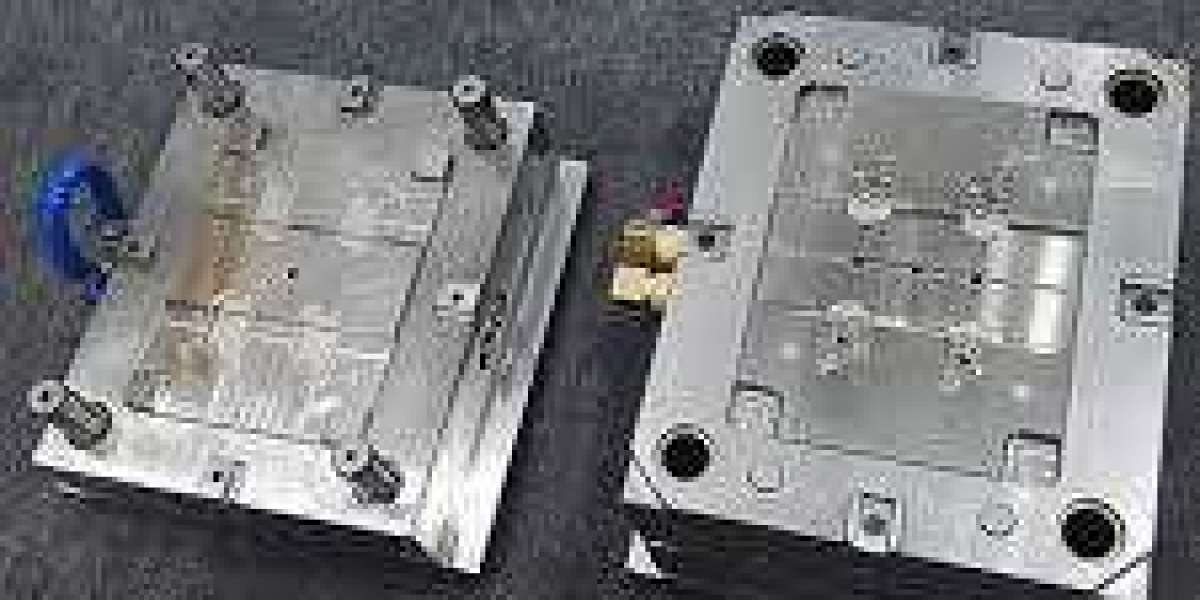

Customized automotive lighting projects require tooling systems capable of translating distinctive product designs into stable and repeatable manufacturing processes. In this environment, the OEM Automotive Lamp Mold provides a technical foundation for producing vehicle lighting components with specialized geometries, optical structures, and integrated functional features. OEM lamp designs can differ significantly between vehicle platforms, requiring molds to be developed around individual product characteristics rather than relying solely on standardized tooling concepts. Material engineering, cavity architecture, thermal control, and precision manufacturing therefore need to work together from the beginning of the project.
Material selection is an important part of customized mold development. Tool steels and specialized alloys are evaluated according to their resistance to wear, thermal cycling, mechanical stress, and surface degradation. The selected material must provide sufficient structural stability while allowing precise machining of complex cavity structures. Heat treatment can improve mechanical characteristics, while surface treatments can enhance resistance in areas exposed to repeated production. For lighting components, material and finishing choices also influence the ability of the mold to reproduce smooth optical surfaces and detailed textures.
Cavity design begins with an analysis of the lighting component itself. Modern automotive lamps may include curved lens surfaces, light-guiding patterns, reflective elements, mounting structures, and decorative features. Three-dimensional CAD systems allow engineers to examine the complete product geometry and develop appropriate cavity and core structures. Mold-flow simulation can help evaluate material movement, while optical analysis can provide insight into the relationship between surface geometry and light distribution. These digital tools help engineers identify potential manufacturing issues before machining starts.
Optical surface engineering requires particularly careful control. Transparent and translucent lamp components often depend on accurately reproduced surface structures to achieve their intended visual characteristics. Different areas of the mold may require different finishing methods according to their function. Optical sections can require fine polishing, while decorative areas may need controlled textures. Precision machining creates the basic cavity geometry, and subsequent surface treatment establishes the required finish. Consistency across these operations is important because even small surface variations can influence the appearance of the finished component.
Thermal management also has a direct relationship with molding stability. Polymer materials behave differently during filling and cooling, and uneven temperature distribution can affect shrinkage, dimensional accuracy, and surface quality. Engineers design cooling structures around cavity geometry and material characteristics to support balanced heat transfer. Thermal analysis can identify areas where cooling performance may require improvement. Effective thermal control helps reduce deformation and supports consistent reproduction of complex lamp structures during continuous manufacturing.
Precision machining technologies provide the physical accuracy required for customized tooling. CNC machining can process complex three-dimensional surfaces, while electrical discharge machining can address intricate areas that are difficult to manufacture with conventional cutting. Polishing and surface finishing follow machining operations to establish the required cavity condition. Measurement systems such as coordinate inspection and three-dimensional scanning can verify critical tooling features against digital engineering models, creating a controlled connection between design and physical production.
Continuous engineering evaluation supports long-term tooling reliability. Production feedback can identify areas where cavity surfaces experience greater wear or where thermal conditions could be optimized. Maintenance programs help preserve important surfaces and moving structures, while production analysis provides information for future improvements. As automotive lighting becomes increasingly integrated with vehicle styling and electronic systems, OEM tooling must remain adaptable to new materials, optical structures, and manufacturing approaches.
Through the integration of material science, optical engineering, thermal analysis, and precision machining, the OEM Automotive Lamp Mold supports the efficient transformation of customized lighting concepts into practical production tooling. Taizhou Renxin Mould Co., Ltd. provides professional automotive mold development and precision manufacturing services, with further information available at https://www.rxmolds.com for global automotive lighting projects.