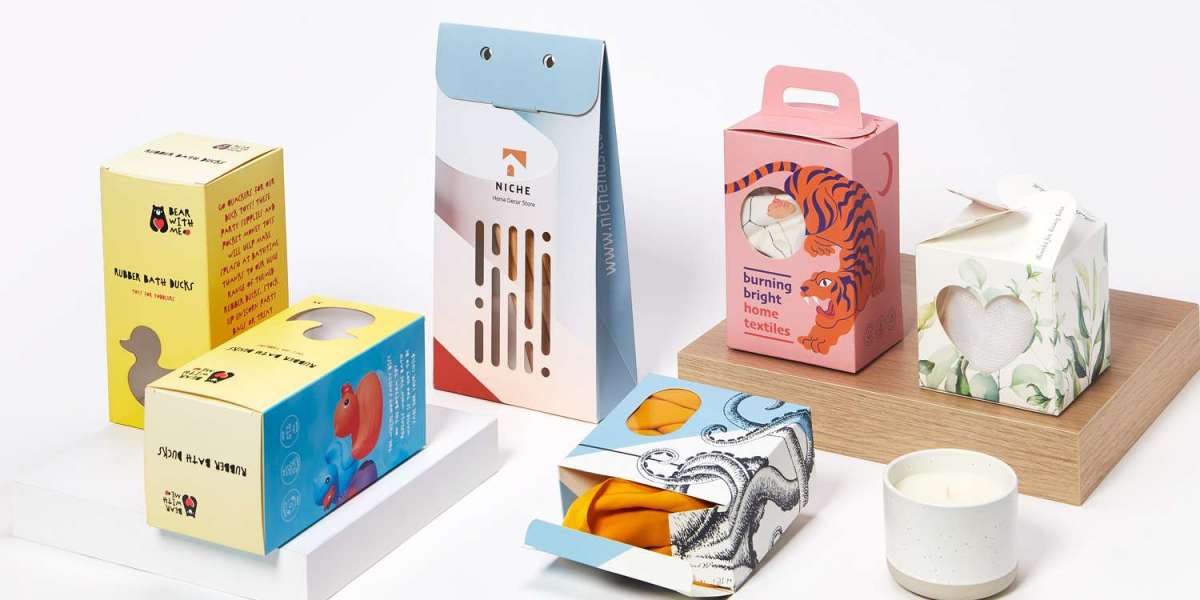

Custom rigid boxes create a premium look because they combine structure, material quality, and finish in a way that feels deliberate. The thicker board gives the box weight. The clean edges make it look refined. The outer wrap, print, and surface treatment shape the first impression before the product is even seen. That is why rigid packaging is common for perfume, jewelry, cosmetics, watches, corporate gifts, and other products that need stronger shelf presence.
The effect is not only visual. A rigid box also changes how people judge the product inside. When the packaging feels solid and well made, the item often seems more valuable. That matters for brands that want to present a higher price point, build trust, or make a simple product feel more considered.
Why rigid boxes feel more premium
Rigid boxes, also called setup boxes, use a thick chipboard core instead of thin folding paperboard. That core gives the box a firm shape that does not collapse easily. The result is a box with better structure, cleaner corners, and a more substantial feel in the hand.
Weight plays a role too. People notice packaging weight almost immediately. A light carton can feel ordinary, while a rigid box tends to feel more deliberate. That physical difference affects perception fast. It tells the customer that the brand paid attention to the details.
The shape matters as well. Rigid boxes hold their form, so the printed design stays neat. Logos sit more cleanly on the surface. Panels look straighter. This makes the whole package look controlled, which is one of the main reasons it reads as premium.
Materials that shape the first impression
The outer material has a big impact on how the box looks and feels. Most custom rigid boxes use wrapped paper, specialty paper, or textured stock over the chipboard core. Each option creates a different effect.
Smooth coated paper works well for sharp graphics and clean brand colors. Textured paper can add a softer, more tactile feel. Linen finishes, soft-touch paper, and uncoated specialty wraps often suit luxury products because they feel more refined and less commercial.
Inside the box, inserts also matter. Custom foam inserts, molded pulp, cardboard dividers, or velvet trays help the product sit properly and stay in place. They also make the opening experience feel more organized. A product that rests neatly inside a fitted insert looks more valuable than one that shifts around in an empty box.
Finishes that add a luxury feel
Surface finish does a lot of the work in premium custom packaging. A matte lamination gives the box a smooth, restrained look. Soft-touch coating adds a velvety feel that many customers associate with higher-end products. Gloss lamination creates shine, but it works best when used with care. Too much gloss can make a design feel busy instead of polished.
Foil stamping is another strong choice. Gold, silver, copper, and black foil can highlight a logo or key design detail without covering the whole box. Embossing and debossing add depth by lifting or pressing the design into the material. Spot UV can create contrast by adding shine to selected areas, usually on top of a matte base.
The strongest designs usually avoid using every effect at once. One or two finishes are often enough. A clean box with a well-placed logo, a subtle texture, and one accent detail can look more expensive than a crowded design with too many special effects.
Structure and details matter
The box style itself changes how premium it feels. Two-piece lid and base boxes are common for gift packaging because they open slowly and create a sense of reveal. Magnetic closure boxes feel secure and neat. Drawer boxes add a smooth sliding action that works well for accessories and gift sets. Shoulder neck boxes offer a more layered presentation and are often used for luxury items.
Small details can make a bigger difference than people expect. Tight corners, precise wrapping, even spacing, and accurate alignment all add to the final look. If the print is off-center or the wrap is loose, the box loses its impact fast.
This is why production quality matters as much as design. A simple layout with good construction often looks better than an elaborate box with weak finishing. For premium packaging, precision always counts.
How rigid boxes support brand perception
Custom rigid boxes do more than protect a product. They help shape how customers read the brand. A clean, well-built box suggests consistency. It tells buyers that the company pays attention to presentation and product care.
This is important in retail and e-commerce. In a store, the packaging helps the product stand out on the shelf. Online, the box becomes part of the unboxing experience. Customers often share that experience with photos or videos, especially when the packaging feels personal and well planned.
Branding should stay clear and restrained. A logo in the right place, a balanced color palette, and a simple layout usually work better than heavy graphics. The box should match the product category too. A perfume box needs a different tone from a tech accessory box or a jewelry box. Consistency between product and packaging makes the whole offer feel more credible.
Where custom rigid boxes work best
Rigid boxes suit products that need strong presentation and extra protection. Common uses include:
- Perfume and fragrance sets
- Jewelry and watches
- Skincare and cosmetics
- Luxury candles
- Premium chocolates and gift items
- Small electronics and accessories
- Corporate gifts and event packaging
These products often carry higher value, either actual or perceived, so the packaging has to support that positioning. A rigid box helps the customer feel that the item inside belongs in a more considered category.
Choosing the right design
A premium look does not always mean adding more decoration. It usually means making better design choices.
- Keep the layout simple and clear
- Match the finish to the product type
- Use inserts to hold the item properly
- Choose colors that fit the brand
- Test a sample before full production
These choices help the box look polished without feeling overdone. They also make the packaging easier to use and more consistent across a product line.
Frequently asked questions
What makes a rigid box different from a folding carton?
A rigid box uses a thick chipboard core, so it holds its shape and feels sturdier. A folding carton uses thinner paperboard and is made to fold flat. That difference affects both protection and appearance.
Which finishes make a box look more premium?
Matte lamination, soft-touch coating, foil stamping, embossing, and debossing are some of the most common finishes for premium packaging. The right choice depends on the product, brand style, and how much visual detail you want on the box.
Are rigid boxes good for shipping?
Rigid boxes work well for presentation, but they usually need outer shipping protection. Brands often place them inside corrugated mailers or shipping cartons so the box stays clean during transit.
Custom rigid boxes work because they balance structure, material, and presentation. They make products feel more careful and more complete before the customer even opens the lid. For brands that want stronger shelf appeal or a better unboxing moment, the box itself becomes part of the product experience.