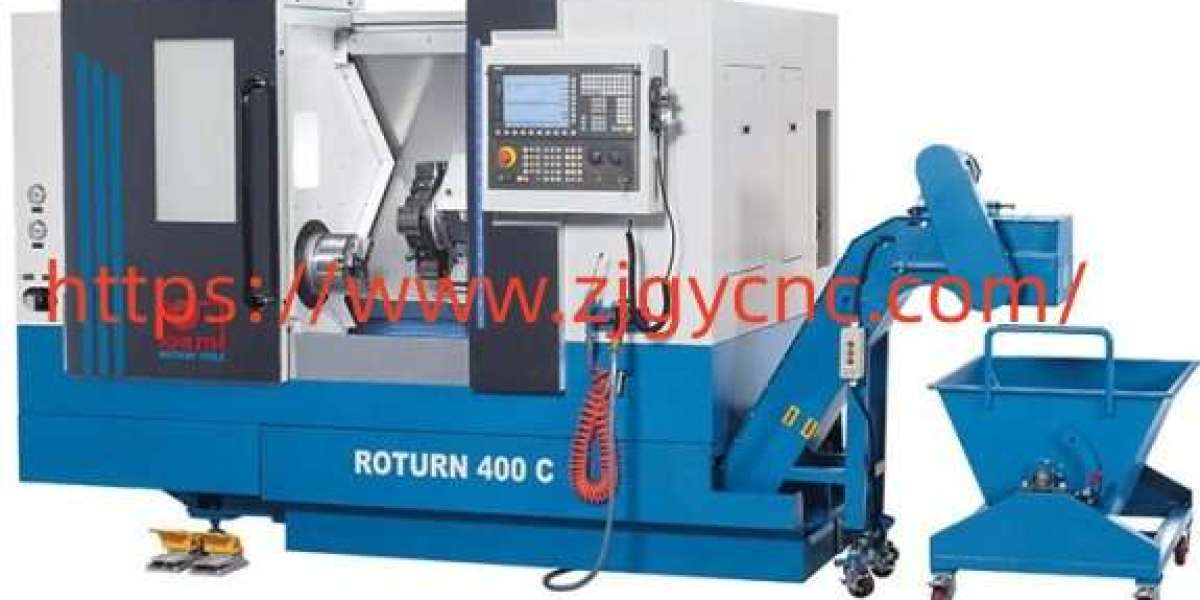

Compact CNC Lathe equipment is designed around the needs of workshops that have limited floor area but still require controlled turning operations. By combining automated movement with a relatively small machine footprint, this type of equipment can support production, repair work, prototypes, and short runs without requiring the layout associated with larger industrial machinery. Its suitability depends on workpiece size, material, tooling, production frequency, and available workspace.
Why Does Workshop Space Matter?
Floor area is an important consideration for smaller manufacturers. Every machine needs room not only for installation, but also for loading materials, checking finished parts, changing tools, cleaning the work area, and carrying out routine maintenance.
A smaller machine body can make it easier to organize these activities within an existing workshop. Instead of redesigning an entire production area, owners can plan the equipment around current benches, storage areas, inspection stations, and material routes.
This can be especially useful for independent machining businesses, repair facilities, prototype developers, training spaces, and small manufacturers working with limited premises.
What Work Can Be Performed?
The basic process involves securing a workpiece, rotating it around its central axis, and moving a cutting tool according to programmed instructions. Several common operations can be arranged within one production cycle.
Facing can prepare an end surface, while turning can reduce an outside diameter. Boring can refine an existing opening, and drilling can create a new hole. Grooving and threading can add functional features required by the component design.
Because these operations can be programmed, operators can create repeatable machining sequences for recurring orders while still adjusting the process when a new component is introduced.
How Does It Help With Small Batch Work?
Small workshops rarely receive identical orders every day. One project may involve several custom pieces, followed by a repair order or a short run of replacement components.
This changing workload requires practical setup procedures. Operators may need to switch tools, modify programs, change workholding arrangements, and inspect parts at different stages.
A programmable turning system can make these transitions easier to organize. Once a suitable process has been prepared, the same sequence can be used again when the corresponding component returns to production.
This approach can be useful for businesses that value flexibility rather than dedicating an entire production line to one product.
Which Components Are Suitable?
Small workshops commonly produce shafts, pins, bushings, sleeves, spacers, fittings, threaded components, and other rotational parts. These items may appear in machinery, automation systems, repair projects, agricultural equipment, and general fabrication.
The appropriate machine size should always be determined by the actual workpieces. Manufacturers need to consider component diameter, length, material, cutting requirements, tooling arrangements, and inspection methods before choosing equipment.
A smaller footprint does not mean every application will be suitable. Matching the working envelope with the intended component range remains an important part of equipment planning.
What About Operator Workflow?
Equipment selection should also consider the people using the machine. Operators need convenient access for loading, unloading, setup, tool inspection, measurement, cleaning, and routine checks.
A sensible workshop arrangement places frequently used materials and measuring tools within practical reach. Finished components should also have a clear route toward inspection or packing areas.
When these details are considered together, the machine becomes part of a complete workflow rather than an isolated piece of equipment.
Can It Support Workshop Growth?
A small manufacturing business may begin with prototypes or occasional orders before moving toward regular batch production. Equipment should therefore be considered according to both current work and realistic future requirements.
Programmable turning equipment can provide a path toward more organized production without immediately requiring a large industrial setup. As order patterns change, owners can review tooling, programming methods, workholding, and supporting equipment according to actual demand.
This approach can help businesses make purchasing decisions based on practical production needs rather than simply choosing equipment with unnecessary capacity.
How Can Zjgycnc Support Small Workshop Applications?
Zjgycnc provides machining equipment for manufacturers and workshops handling different turning requirements. When evaluating a suitable solution, buyers can consider available workspace, component dimensions, production volume, tooling needs, operator workflow, and maintenance arrangements.
For businesses planning a new machining area or upgrading an existing workshop, reviewing the available product range can be part of the initial equipment selection process. Product options are available at https://www.zjgycnc.com/product/ providing a convenient starting point for evaluating solutions according to individual production plans.