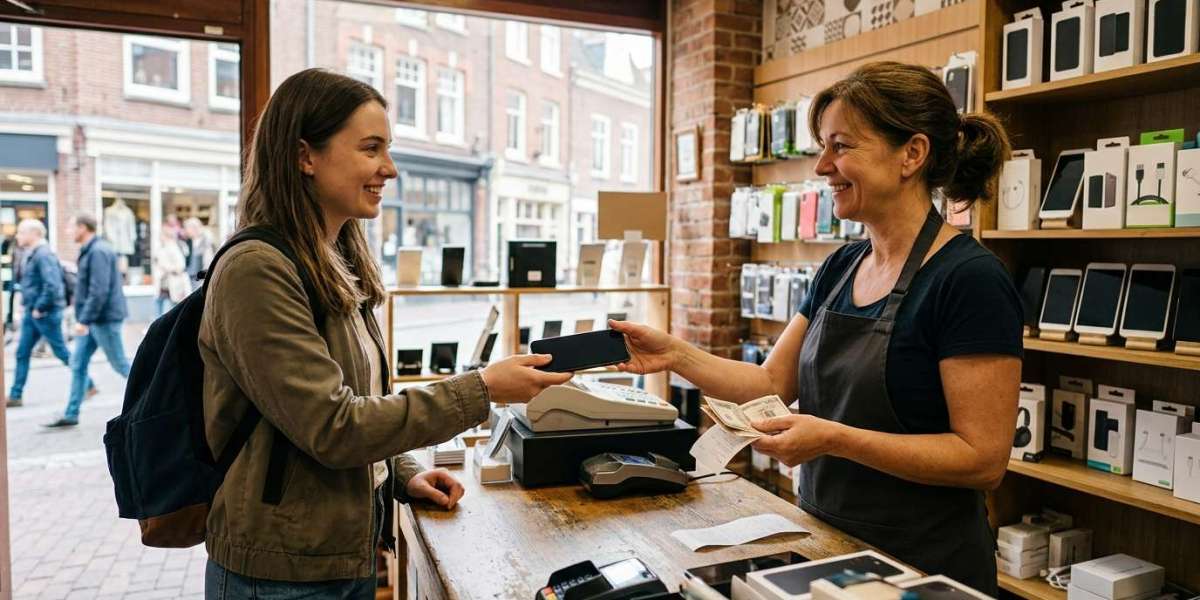

An old smartphone can be worth more than you might expect. Maybe you upgraded to a newer model, switched carriers, or simply stopped using a device that once went everywhere with you. Whatever the reason, the idea to sell phone for cash can seem like an easy way to get some value back from something sitting unused.
Still, getting cash for a phone is not simply a matter of finding someone willing to buy it. The phone's model, condition, storage, battery, carrier status, and current demand can all influence its value. Taking time to understand these factors can help you approach the selling process with realistic expectations.
Start by Identifying the Exact Phone
Before thinking about price, make sure you know exactly what you are selling.
Smartphone families often include several versions that look similar but have different specifications. Storage capacity is one example. A phone with 128GB may have a different resale value from the same model with 256GB.
Check your phone's settings for details such as the model name, model number, storage capacity, and software information. If you still have the original box or paperwork, those items may also help confirm the device specifications.
Knowing the exact model makes it much easier to research comparable phones and understand what buyers are currently looking for.
Condition Has a Major Impact on Value
Two identical phones can have very different values because of their condition.
Take a close look at the screen, frame, back panel, camera lenses, and charging port. Small scratches may be considered normal wear, while a cracked display, bent frame, or damaged camera can have a much greater effect on value.
Physical appearance is only part of the picture. Test the phone's major functions as well.
Check whether:
- The device turns on normally
- The touchscreen responds correctly
- The battery charges
- The cameras work
- Speakers and microphones function properly
- Wi-Fi and Bluetooth connect
- Buttons work
- Biometric features function when applicable
Be honest about any problems. Trying to hide damage may create complications later, especially if the buyer evaluates the phone after receiving it.
Battery Health Can Matter
Battery performance is easy to overlook when estimating the value of an older phone.
As smartphones age, batteries naturally lose capacity. A phone that once lasted all day may eventually need charging several times throughout the day.
If your device provides a battery-health reading, check it before selling. A strong battery can make a used phone more attractive, while significantly reduced battery capacity may affect the amount a buyer is willing to offer.
However, replacing the battery is not always worthwhile. Before spending money on repairs, compare the expected increase in selling value with the cost of the repair. Sometimes selling the phone in its current condition is the more sensible choice.
Check Whether the Phone Is Locked
Carrier status is another factor to understand.
An unlocked phone can generally work with compatible networks from multiple carriers. This can make it useful to more potential buyers. A carrier-locked device may have limitations depending on the buyer's intended use.
Before selling, determine whether your phone is unlocked or connected to a particular carrier. If you are unsure, your carrier may be able to provide information about the device's status.
You should also make sure that there are no outstanding obligations or restrictions that could prevent the phone from being transferred or activated by another person.
Research Before You Decide What Your Phone Is Worth
One of the most common mistakes people make when trying to sell phone for cash is choosing a price based on a quick guess.
Instead, research comparable devices. Look for phones with the same model, storage capacity, condition, and carrier status.
When comparing prices, remember the difference between an asking price and an actual selling price. A phone listed for $300 does not necessarily mean it will sell for $300.
You can explore several selling methods, including private marketplaces, trade-in programs, local buyers, and companies that specialize in used electronics. Comparing these options can help you understand the trade-offs between convenience, speed, and potential selling value.
Decide Whether Repairs Are Worth It
A damaged phone does not necessarily have to be thrown away.
Cracked screens, worn batteries, damaged charging ports, and other problems can sometimes be repaired. But the important question is whether the repair makes financial sense.
For example, spending $150 repairing an older phone that might only increase in value by $75 would probably not be a practical decision.
On the other hand, a relatively minor repair could potentially make sense for a newer, high-demand device.
Before repairing anything, research the phone's likely value in its current condition and compare it with the expected value after repair.
Protect Your Personal Information
Getting cash for an old phone is useful, but protecting your personal information is even more important.
Smartphones can contain years of personal data, including photographs, messages, contacts, emails, documents, saved passwords, and financial information.
Before selling your phone, create a complete backup of anything you want to keep. Make sure important photos, contacts, files, and other data have successfully transferred to your preferred backup location.
Next, sign out of your accounts and remove the device from services that could interfere with the next owner's activation. Review tracking and activation-lock settings as well.
If you use a physical SIM card, remove it. For eSIM devices, follow the appropriate carrier and device instructions.
After confirming that your information is safely backed up, perform a factory reset. This removes your personal data from the device and returns it to a setup state for its next owner.
Simply deleting individual photos or applications is not an adequate substitute for properly preparing the phone.
Clean Your Phone Before Selling
A little cleaning can make an old device look considerably better.
Use a soft cloth to remove fingerprints, dust, and surface marks. Pay attention to the screen and exterior, while being careful around the charging port, speakers, and microphones.
Avoid excessive moisture or harsh cleaning chemicals.
If you still have the original box, charger, or compatible accessories, gather them together. Accessories may not always add significant value, but having everything organized can make the selling process easier.
Compare Different Ways to Get Cash
There is no single best way for everyone to sell a smartphone.
A private sale may allow you to negotiate directly with another person, but it can require more time and communication. You may also need to arrange a meeting or deal with potential buyers who change their minds.
Local buyers can provide convenience, particularly if you prefer an in-person transaction.
Online buyers and specialized used-electronics companies can offer another route. These services may have structured quote and evaluation processes that make it easier to understand what happens after you submit your device details.
Prime Mobile is one company that provides options for people interested in selling used electronics. Even when considering a particular buyer, it is still a good idea to understand the terms, review the selling process, and compare alternatives before making a final choice.
Be Careful With Local Cash Transactions
If you decide to sell directly to someone in your area, think about personal safety as well as price.
Choose a public meeting location and avoid sharing unnecessary personal information. Be cautious if someone pressures you to complete the transaction immediately or suggests an unusual payment arrangement.
If you are expecting cash, verify the amount before handing over the phone. If another payment method is being used, make sure the payment has actually cleared before considering the transaction complete.
A good deal is not worth compromising your safety.
What About Damaged Phones?
Not every phone needs to be in perfect condition to have value.
Some buyers accept devices with cracked screens, cosmetic damage, worn batteries, or other functional problems. The amount offered will generally depend on the type and severity of the damage, the phone's model, and whether the device can still be repaired or reused.
If your phone is damaged, describe the problem accurately rather than assuming it has no value.
For severely damaged or obsolete devices, recycling may be a better option. Responsible recycling helps keep electronics and their components out of ordinary household waste.
When Selling for Cash Makes Sense
Selling an unused phone can make sense when you no longer need it, especially if the device still has demand in the secondhand market.
However, consider your alternatives first. An older phone might be useful as a backup device, a media player, a navigation device, or a spare phone for emergencies. You could also pass it along to a family member or donate it.
The right choice depends on the phone's condition, your needs, and the value you can realistically receive.
Final Thoughts
The decision to sell phone for cash is easier when you approach it with a little preparation.
Start by identifying the exact device, checking its condition and battery health, confirming its carrier status, and researching comparable prices. Then protect your personal information, clean the phone, and compare different selling methods.
Most importantly, don't focus only on getting the highest possible price. Consider convenience, safety, payment reliability, and the amount of time involved.
An old smartphone may no longer fit into your daily life, but that does not mean it has no value. With the right preparation and a clear understanding of your options, you can make a more informed decision about what to do with it next.