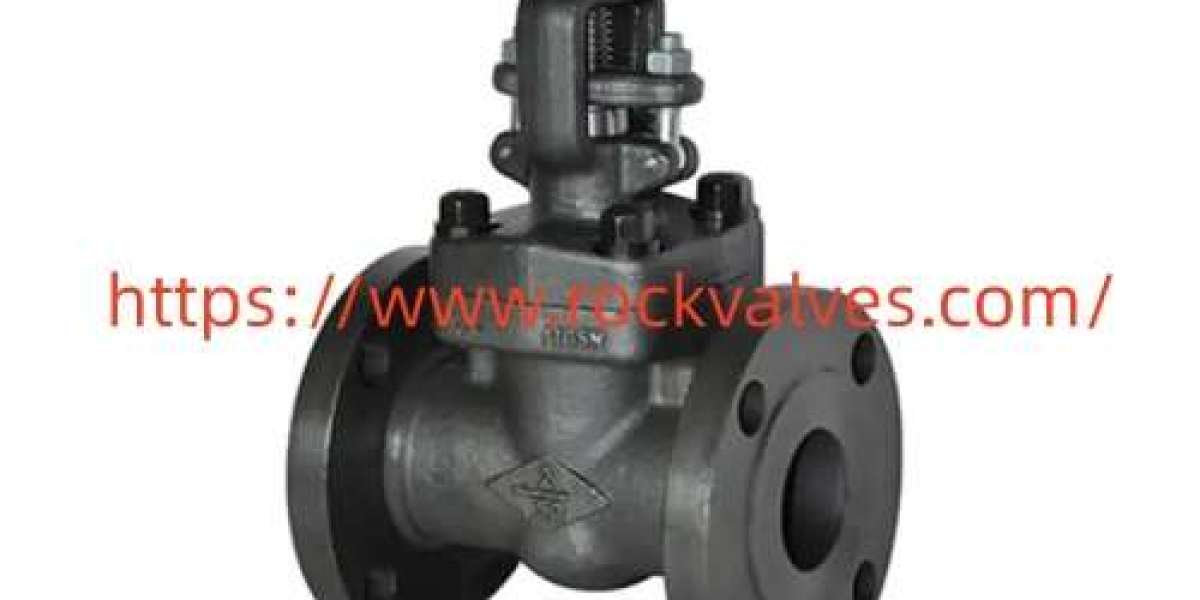

Globe Valve for Chemical Process applications center on precise flow regulation rather than simple isolation. These products suit tasks that require gradual adjustment of media rates in reaction vessels where small changes influence yield and purity. Operators position the units on reagent feed lines so that dosing remains steady across batch or continuous cycles. The linear plug movement creates a predictable relationship between stem position and flow coefficient which supports automated control loops.
In heat transfer circuits the same items balance cooling or heating medium delivery to maintain stable temperatures around reactors and condensers. Sudden shifts in flow can disturb thermal profiles so the progressive seating action helps avoid shocks. Distillation systems place the assemblies on side draw and reflux lines where composition control depends on accurate volume management. Level control in intermediate tanks also benefits from the ability to modulate without full open or closed extremes.
Neutralization stations and blending skids use the products when pH or concentration must stay within narrow bands. Aggressive media such as acids or alkalis demand compatible body and trim materials so that internal surfaces resist attack over extended periods. High differential pressure locations may require multi stage trims or angle body styles to limit cavitation and noise. Packing systems with bellows options further limit external leakage of toxic or volatile streams.
Selection begins with confirmation of media properties temperature range and maximum pressure drop. Body materials often include stainless grades or higher alloys when chlorides or strong acids are present. Soft or hard seating surfaces are chosen according to leakage class and temperature limits. Actuation can range from handwheels to pneumatic or electric drives depending on the need for remote set point changes. Face to face dimensions and end connections must align with existing pipework to simplify installation.
Proper orientation during mounting keeps the stem vertical where possible and allows free drainage of the body cavity. Periodic inspection of packing glands and stem threads maintains smooth operation. Rockvalves supplies the assemblies with material certificates and dimensional records that match project data sheets. Experience from plant operations has refined plug contours and guiding arrangements that reduce wear under frequent modulation.
When a plant layout calls for reliable modulation across multiple control points the products from Rockvalves offer a practical match. Technical drawings and performance curves remain ready for review at https://www.rockvalves.com/product/ so project teams can confirm suitability for each duty.