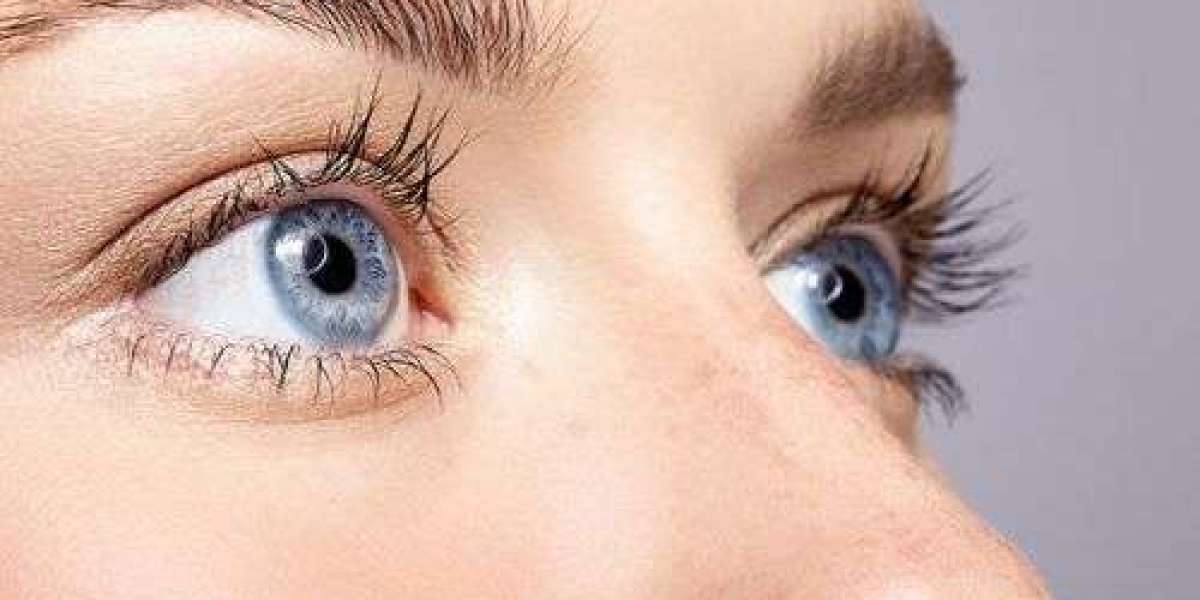

The appearance of the eyes is influenced by much more than the amount of skin around the upper eyelids. Eye shape, eyelid crease position, brow structure, skin characteristics, and the natural relationship between the upper and lower eyelids all contribute to the overall appearance of the face. Because these features vary significantly from person to person, an upper eyelid procedure needs to be planned around the individual's anatomy rather than following a standard template.
Upper Blepharoplasty in London is a procedure designed to address concerns involving the upper eyelid while taking the patient's natural facial characteristics into consideration. At Bodyvie Clinic, the consultation process can help establish what is appropriate for each individual and how the treatment plan should reflect their existing eye shape and facial proportions.
Understanding how individual eye shapes are assessed can help patients approach a consultation with realistic expectations and a clearer idea of what personalised eyelid surgery involves.
Why Individual Eye Shape Matters
No two sets of eyes are exactly alike. Even when two people appear to have similar concerns, the underlying eyelid anatomy may be quite different.
Some people have a clearly defined upper eyelid crease, while others have a less visible or lower crease. The amount of visible eyelid skin can also vary, as can the relationship between the eyelid and eyebrow.
These differences are important when planning upper eyelid surgery because the objective is not simply to remove a predetermined amount of tissue. Instead, the treatment should account for the patient's existing features and the appearance they want to achieve.
A personalised assessment can therefore consider:
- The natural eye shape
- Upper eyelid skin
- Position of the eyelid crease
- Brow position
- Facial proportions
- Symmetry between the two eyes
- The amount of visible upper eyelid
- The patient's aesthetic preferences
This approach allows the procedure to be considered as part of the wider facial structure rather than as an isolated treatment.
Common Eye Shapes and Their Characteristics
Eye shapes can be described in several ways, although real-world anatomy is often more complex than simple categories suggest. A person may have characteristics associated with more than one eye shape.
Almond-Shaped Eyes
Almond-shaped eyes generally have a longer horizontal appearance with gently tapered inner and outer corners. The upper eyelid may have a visible crease, but the amount of exposed eyelid can vary.
When considering Upper Eyelid Surgery In London, the existing crease and natural contours can be assessed so that the treatment plan works with the patient's facial structure.
Hooded Eyes
Hooded eyes have additional skin or soft tissue around the upper eyelid that can partially cover the crease. The extent of hooding differs considerably between individuals.
For someone with hooded eyelids, assessment may focus on how much skin contributes to the appearance and how the brow and eyelid interact. This helps determine an appropriate approach rather than assuming that the same treatment is suitable for everyone with hooded eyes.
Deep-Set Eyes
Deep-set eyes sit further within the surrounding orbital structure, creating a naturally defined relationship between the eyes, brow and upper eyelid.
In these cases, careful assessment of the surrounding anatomy is particularly important. The objective is to understand how the upper eyelid fits within the overall facial framework before considering any surgical adjustment.
Monolid or Less-Defined Crease
Some individuals naturally have little or no visible upper eyelid crease. The appearance can vary according to genetics, age, facial structure and other anatomical characteristics.
Treatment planning in these situations requires an understanding of the patient's natural eyelid anatomy and their personal preferences. The aim is to develop an approach that is appropriate for their features rather than applying assumptions based on a conventional eyelid shape.
How the Consultation Assesses Eye Shape
A consultation is an important part of determining whether upper eyelid surgery is appropriate and how it should be planned.
During an assessment at a Blepharoplasty Clinic in London, the patient's eyes can be examined from different perspectives. This may include looking at the eyelids directly, assessing the brow and considering the overall balance of the face.
The surgeon may assess the eyelid while the patient is relaxed and while looking in different directions. This provides a more complete understanding of the natural movement and positioning of the eyelids.
The discussion can also cover what the patient notices about their upper eyelids and what they would like to change. Two people with similar-looking eyelids may have completely different preferences, making communication an important part of personalised treatment planning.
Considering the Upper Eyelid Crease
The position and definition of the upper eyelid crease are significant aspects of eye appearance.
Some patients have a prominent crease, while others have a subtler fold. The crease can also differ slightly between the two eyes.
When planning upper eyelid surgery, the existing crease may be considered alongside the amount of skin and the overall shape of the eyelid. The intention is to maintain harmony with the patient's natural features.
This is one reason why simply comparing photographs of other patients is not always an accurate way to predict an individual's result. Their underlying anatomy may be entirely different.
Looking at the Relationship Between the Eyelids and Brows
The eyebrows have a strong influence on how the upper eyelids appear.
A lower or higher brow position can change the amount of visible upper eyelid skin. Similarly, the shape and position of the brow can affect the perceived balance of the eyes.
For this reason, an assessment for Upper Blepharoplasty in London can consider the brow and upper eyelid together. Looking at these features as part of the same facial area can provide a more complete understanding of the patient's appearance.
This also helps distinguish between concerns primarily related to upper eyelid skin and concerns where brow position may contribute to the overall appearance.
Understanding Differences Between the Two Eyes
Perfect facial symmetry is uncommon. Many people naturally have subtle differences between their left and right eyes.
One eyelid may have a slightly different crease position, while the amount of visible skin or brow height may vary between sides.
These differences should be recognised during consultation. Rather than treating both sides as completely identical, an individualised assessment can take natural asymmetry into account when developing a treatment plan.
The purpose is not necessarily to make the eyes mathematically identical. Instead, the surgeon can consider how the eyes relate to each other and to the rest of the face.
Skin and Tissue Characteristics
Individual eyelid anatomy is also influenced by the quality and distribution of skin and soft tissue.
Patients may have different amounts of upper eyelid skin, and these characteristics can change over time. Ageing can also alter the appearance of the upper eyelid and its relationship with the eyebrow.
A personalised assessment considers these factors before deciding what treatment approach may be suitable.
This is particularly relevant because upper blepharoplasty is not simply about the quantity of skin. The surgeon needs to understand the overall structure of the eyelid and how any planned changes could affect its appearance.
Personal Preferences Are Part of the Planning Process
Anatomical assessment is only one part of personalised treatment planning. The patient's preferences also matter.
Some individuals may want a subtle change that maintains their existing appearance. Others may be more interested in creating a clearer upper eyelid contour.
During consultation, patients can discuss the features they like about their eyes as well as the areas they would prefer to change. This conversation gives the surgeon an opportunity to understand the desired direction of treatment.
Clear communication can help establish realistic expectations and ensure that the proposed approach is suited to the patient's individual characteristics.
Why Standardised Treatment Is Not Ideal for Every Eye Shape
A standardised approach may overlook important differences between patients.
For example, removing the same amount of upper eyelid skin from two people does not necessarily produce the same visual effect because their eyelid creases, brow positions, facial proportions and tissue characteristics may differ.
Personalised planning therefore focuses on the individual rather than applying a fixed formula.
For patients researching Upper Eyelid Surgery In London, this is an important consideration when comparing treatment providers. The consultation should provide an opportunity to discuss anatomy, expectations and the proposed treatment approach in detail.
Choosing a London Clinic for Personalised Assessment
When considering upper blepharoplasty, patients may wish to look for a clinic where consultation and treatment planning are approached individually.
A consultation at a Blepharoplasty Clinic in London can provide an opportunity to discuss the patient's eye shape, facial proportions and aesthetic objectives before deciding on treatment.
Bodyvie Clinic provides a setting where patients can explore their concerns and discuss whether upper eyelid surgery is appropriate for their individual circumstances.
Rather than focusing solely on the procedure itself, patients can use the consultation to understand how their own anatomy influences the treatment plan.
What Patients Can Discuss During Consultation
Preparing a few questions before an appointment can make the consultation more productive.
Patients may wish to discuss:
- How their natural eye shape influences treatment planning
- The position of their upper eyelid crease
- The relationship between their brows and eyelids
- Differences between the left and right eyes
- How much upper eyelid skin is contributing to their concerns
- Their preferred degree of change
- What type of result is realistic for their anatomy
- How the proposed treatment will fit with their overall facial appearance
These discussions can help patients develop a clearer understanding of the procedure before making a decision.
Conclusion
Individual eye shape plays an important role in planning upper eyelid surgery. Features such as the eyelid crease, brow position, amount of visible eyelid skin, facial proportions and natural differences between the eyes can all influence how treatment is considered.
Upper Blepharoplasty in London should therefore be approached as an individualised procedure rather than a one-size-fits-all treatment. A detailed consultation allows the patient's anatomy and preferences to be considered together, helping establish an appropriate treatment plan.
For anyone considering Upper Eyelid Surgery In London, understanding how their own eye shape influences treatment can make the consultation process more informative and help them approach their decision with realistic expectations.
FAQs
What is upper blepharoplasty?
Upper blepharoplasty is an eyelid surgery procedure focused on the upper eyelid area. Treatment planning can be tailored according to the individual's eyelid anatomy, facial proportions and aesthetic preferences.
Why is eye shape important for upper blepharoplasty?
Eye shape affects the appearance of the eyelid, crease and surrounding facial structures. Considering these features allows the treatment approach to be tailored to the individual rather than applying the same plan to every patient.
Does upper eyelid surgery suit every eye shape?
Upper eyelid surgery can be considered for people with different eye shapes, but the appropriate approach varies according to individual anatomy. A consultation is needed to determine whether the procedure is suitable and how it should be planned.
Can the eyelid crease affect treatment planning?
Yes. The position and definition of the natural eyelid crease can influence how the upper eyelid is assessed and how treatment is planned.
Are both eyes assessed separately?
The eyes are assessed individually as well as in relation to each other. Natural differences in crease position, eyelid skin and brow height can be considered when developing a personalised treatment plan.
Does brow position matter during upper blepharoplasty assessment?
Yes. The brow and upper eyelid are closely related, so brow position can be considered when assessing the overall appearance of the eye area.
How do I know what approach is suitable for my eye shape?
A consultation with an appropriately qualified practitioner is the best way to understand which approach may be suitable. The assessment can consider your individual anatomy, preferences and overall facial proportions.
Where can I learn more about upper blepharoplasty in London?
Patients considering treatment can discuss their individual concerns and options with the team at Bodyvie Clinic and arrange a consultation to explore whether upper eyelid surgery is appropriate for them.