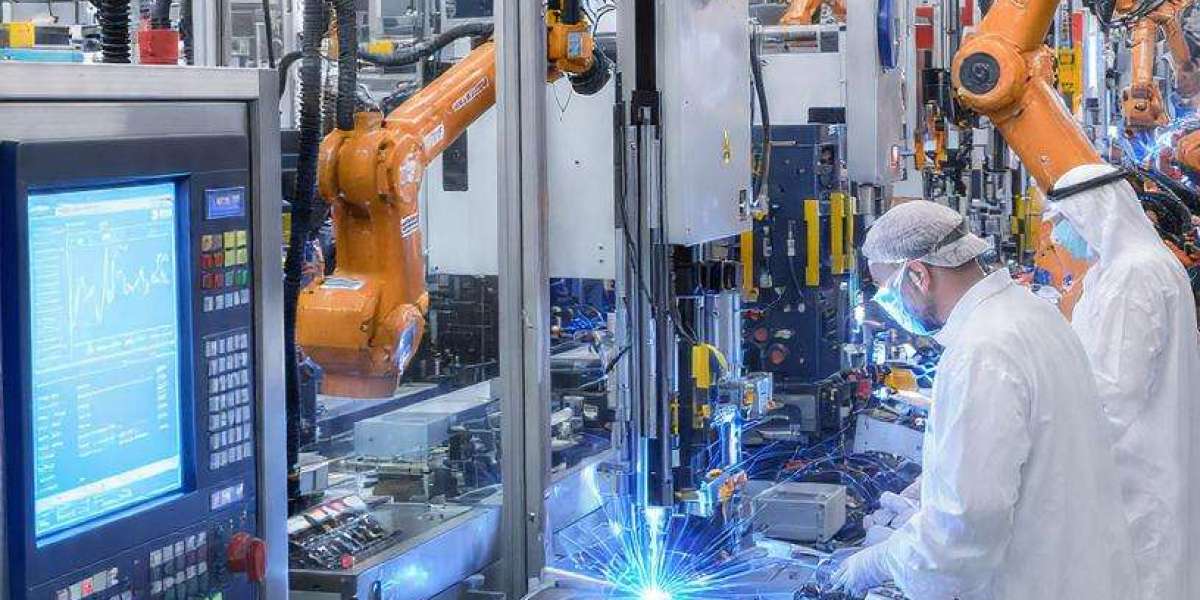

A decade ago, fabricating a structural component often meant rough welding and a fair amount of manual grinding to get things square. Advanced fabrication engineering has changed that expectation entirely, combining computer-aided design, precise cutting equipment, and tighter quality control to produce parts that fit correctly the first time. For engineers and procurement teams sourcing structural or mechanical components, understanding what this modern approach actually involves helps in evaluating whether a supplier can really deliver on its claims.
What Separates Advanced Fabrication Engineering from Traditional Fabrication
Traditional fabrication relied heavily on manual layout, cutting, and welding, with accuracy depending largely on an individual welder's skill and a fair amount of trial and error. This modern engineering approach brings in CAD modeling, computer-controlled cutting methods like laser and plasma cutting, and structured welding procedures that reduce the variability traditional methods struggled with. This shift matters because it means a part designed on a screen translates far more accurately into a finished component, with less rework and fewer surprises during final assembly. It also allows for better documentation throughout the process, since a fabrication shop working from precise digital files can track exactly what was cut, welded, and inspected at every stage, which becomes important when a client needs traceability for regulatory or quality purposes.
Core Techniques Behind Modern Structural and Mechanical Fabrication
A few core techniques define what most people mean when they talk about modern structural fabrication today. Computer-controlled cutting, whether laser, plasma, or waterjet, allows a shop to cut complex shapes from sheet metal with far tighter accuracy than manual cutting ever achieved, and it does so repeatedly across dozens or hundreds of identical parts. Robotic and semi-automated welding has also become more common for high-volume or safety-critical assemblies, since it produces more consistent weld quality than manual welding alone, particularly on long, straight seams where operator fatigue can otherwise introduce defects. Machined finishing often complements these fabrication steps too, since a fabricated frame or housing frequently needs precise mounting surfaces or bolt holes that hold tighter tolerances than cutting and welding alone can achieve. Combining these processes under one roof, rather than shipping a part between multiple specialized vendors, tends to shorten lead times and reduce the chances of a tolerance mismatch between fabrication and machining stages.
Where Precision Machining Fits into the Fabrication Process
Fabrication and machining are often treated as separate disciplines, but in practice, most complex industrial parts need both. A fabricated bracket or enclosure might get its overall shape from cutting and welding, but any surface that needs to seal against another component, or any hole that needs to align precisely with a mating part, usually requires a machining pass afterward. A follow-up machining pass is what corrects for the small dimensional shifts that welding heat can introduce, since even a well-executed weld can warp a part slightly as it cools. A shop that handles both fabrication and machining internally can plan for this from the start, building in extra material where a final machining pass will clean up a surface, rather than discovering after the fact that a welded assembly no longer meets its dimensional requirements. This combined capability is particularly valuable for oil and gas and industrial equipment clients, where a mounting flange or a structural bracket often has to meet both a shape specification and a tight tolerance on a specific mating surface.
Choosing a Fabrication Partner for Complex Industrial Projects
A few practical factors are worth checking before committing to a fabrication partner for a complex project:
Whether the shop handles both fabrication and precision cnc machining in-house, which reduces handoff delays and tolerance mismatches between stages
The range of materials the shop regularly works with, since carbon steel, stainless steel, and aluminum all require different welding and cutting approaches
Quality certifications and documented welding procedures, particularly for structural or pressure-bearing components
Experience with similar project scale, since a shop used to producing large industrial structures may not be the best fit for small precision assemblies, and vice versa
Asking to see examples of completed projects in a similar category is usually more informative than reviewing a general capabilities list, since it shows how a shop actually performs under real project constraints rather than what it claims to be capable of on paper. It also helps to ask how a shop handles design reviews before cutting begins, since a partner who flags a joint that will be difficult to weld or a tolerance that will be costly to hold can save a client from an expensive reorder later in the project.
Conclusion
Advanced fabrication engines have moved well beyond manual cutting and welding, bringing in digital design, automated cutting methods, and integrated precision machining to produce parts that meet tighter tolerances with far less rework. For teams sourcing structural or mechanical components, working with a shop that combines fabrication and machining capability under one roof tends to shorten timelines and reduce the risk of dimensional surprises during final assembly. If your next project involves a complex bracket, frame, or enclosure that needs to meet both a shape and a tolerance requirement, it is worth discussing the project with a fabrication partner early rather than after a design is fully locked in.
FAQs
1. What industries rely most on advanced fabrication engines?
Oil and gas, construction, industrial equipment, and marine sectors rely heavily on advanced fabrication for structural components, enclosures, and equipment frames that need to meet both dimensional and safety requirements.
2. Why does welding sometimes require a machining pass afterward?
Welding heat can cause slight warping or dimensional shift as a part cools, so a machining pass is often needed to bring critical surfaces or mounting holes back to the required tolerance.
3. Is it better to source fabrication and machining from the same shop?
In most cases yes, since handling both processes under one roof reduces the handoff delays and communication gaps that can occur when a part travels between separate fabrication and machining vendors.
4. What cutting methods are considered part of modern fabrication processes?
Laser cutting, plasma cutting, and waterjet cutting are the most common computer-controlled methods, each suited to different material types, thicknesses, and levels of cutting precision.
5. How does precision machining improve the accuracy of fabricated parts?
Precision cnc machining corrects for small dimensional shifts introduced during cutting and welding, ensuring that critical surfaces, holes, and mating features meet exact tolerance requirements after fabrication is complete.