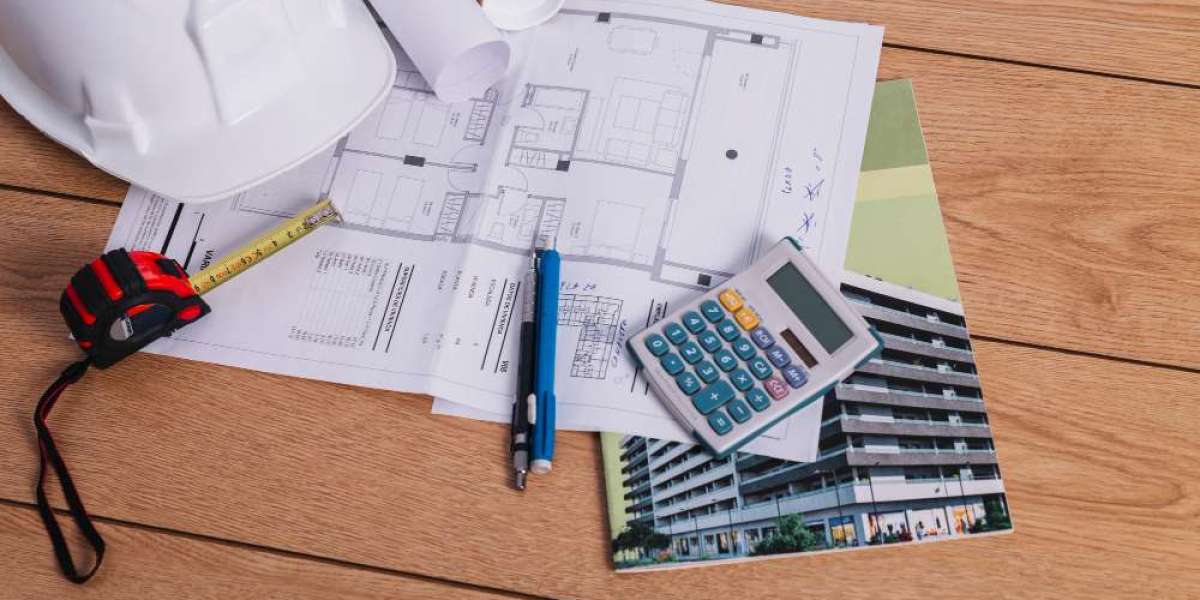

Construction projects require careful financial planning from the earliest design stage through completion. Before a contractor submits a bid or an owner begins construction, it is important to understand the potential costs involved. Professional Construction Estimating Services help contractors, subcontractors, developers, builders, and property owners prepare detailed cost estimates and make informed project decisions.
Accurate estimating can help identify material quantities, labor requirements, equipment costs, subcontractor expenses, and other project costs. For contractors operating in New York City, professional Construction Estimating Services NYC can also support the preparation of competitive bids in a complex and highly competitive construction market.
What Are Construction Estimating Services?
Construction estimating services involve analyzing project drawings, specifications, scopes of work, and other construction documents to determine the expected cost of a project.
A professional estimator reviews the available information and develops a detailed breakdown of quantities and costs. Depending on the project requirements, an estimate may include:
Material quantities and pricing
Labor costs
Equipment costs
Subcontractor pricing
General conditions
Waste allowances
Overhead
Profit
Other project-specific expenses
The purpose of construction estimating is to provide a clear financial picture before construction work begins.
Why Are Accurate Construction Estimates Important?
An accurate estimate is an important part of construction planning. Contractors use estimates to prepare bids, while owners and developers can use them to evaluate project budgets.
Better Budget Planning
A detailed estimate helps project stakeholders understand how much money may be required for construction. This information can be used during budgeting and financial planning.
Competitive Bidding
Contractors often compete with other companies for construction projects. A carefully prepared estimate can help contractors develop bids based on the expected cost of labor, materials, equipment, and other expenses.
Reduced Risk of Cost Errors
Missing quantities or incorrectly calculated costs can affect project profitability. Detailed estimating provides an opportunity to review the scope and identify potential cost issues before a bid is submitted.
Improved Project Preparation
Estimating can provide information that helps contractors plan labor, materials, subcontractors, and equipment requirements.
Construction Estimating Services NYC
New York City construction projects can involve complex scopes, tight schedules, multiple trades, and challenging job-site conditions. Contractors working in NYC may need detailed estimates to compete effectively and manage project costs.
Construction Estimating Services can support a wide range of construction projects, including residential, commercial, industrial, renovation, and new construction work.
Depending on the project, estimating may cover individual trades or the complete construction scope.
Types of Construction Estimates
Different types of estimates are used at different stages of a construction project.
Preliminary Estimates
A preliminary estimate provides an early indication of potential construction costs. It can be useful when a project is still in the planning or conceptual stage.
Conceptual Estimates
Conceptual estimates are generally developed when limited project information is available. They can help owners and developers evaluate potential project costs before detailed design work is complete.
Detailed Estimates
Detailed estimates are prepared using more complete project documentation. They can include detailed quantity takeoffs, labor costs, material costs, and other project expenses.
Bid Estimates
Bid estimates are prepared by contractors and subcontractors when responding to construction opportunities. They help establish the proposed price for completing the specified scope.
Quantity Takeoffs
Quantity takeoffs determine the amount of materials and work required for a project. They can be prepared for individual trades or multiple construction divisions.
Construction Quantity Takeoff Services
Quantity takeoffs are an important component of professional estimating. An estimator reviews project drawings and calculates the required quantities for the specified scope.
Depending on the project, takeoffs can include:
Concrete quantities
Reinforcing steel
Masonry
Lumber
Structural steel
Drywall
Roofing
Flooring
Doors and windows
Paint and finishes
Electrical materials
Plumbing materials
HVAC components
Sitework materials
Accurate quantity takeoffs provide a foundation for developing a detailed construction estimate.
Trade-Specific Construction Estimating
Construction projects involve numerous specialized trades. Contractors and subcontractors may require estimates for specific scopes of work.
Common trade estimating services include:
Concrete Estimating
Concrete estimates can include foundations, slabs, footings, walls, columns, and other concrete components.
Masonry Estimating
Masonry estimates may cover concrete blocks, bricks, mortar, reinforcing materials, and related labor.
Framing Estimating
Framing estimates can include lumber, sheathing, structural components, fasteners, and associated labor.
Drywall Estimating
Drywall estimates may include gypsum board, framing, insulation, finishing materials, and installation labor.
Roofing Estimating
Roofing estimates can cover roofing materials, underlayment, insulation, flashing, accessories, and labor.
Electrical Estimating
Electrical estimates may include wiring, fixtures, panels, devices, equipment, and installation costs.
Plumbing Estimating
Plumbing estimates can include piping, fixtures, fittings, equipment, and labor.
HVAC Estimating
HVAC estimates may cover equipment, ductwork, piping, controls, insulation, and installation.
How the Construction Estimating Process Works
A professional estimating process generally involves several stages.
1. Review Construction Documents
The estimator reviews architectural drawings, structural plans, MEP drawings, specifications, addenda, and other available documents.
2. Analyze the Scope of Work
The project scope is reviewed to determine what work and materials are included in the estimate.
3. Complete Quantity Takeoffs
The estimator calculates the required quantities for materials and construction activities.
4. Apply Pricing
Labor, material, equipment, and subcontractor costs are applied to the calculated quantities.
5. Review the Estimate
The estimate is checked for missing scope, quantity errors, pricing issues, and inconsistencies.
6. Prepare the Final Estimate
The final estimate is organized into a clear format that can be used for budgeting, bidding, and project planning.
Benefits of Outsourcing Construction Estimating
Many contractors choose to outsource estimating because maintaining an in-house estimating department can require additional time and resources.
Outsourcing construction estimating may provide:
Access to experienced estimating support
Faster preparation of bids
Reduced workload for contractors
Detailed quantity takeoffs
Organized cost breakdowns
Support during busy bidding periods
Greater flexibility for multiple projects
This can be particularly useful for small and medium-sized construction companies that need professional estimating assistance without maintaining a large permanent estimating team.
Construction Estimating for Contractors
Contractors need accurate cost information before submitting bids. A detailed estimate allows them to review the expected cost of completing the project and develop a bid based on the scope.
Estimating can also help contractors compare supplier quotations and subcontractor proposals. When project documents are revised, estimates can be updated to reflect changes in quantities or scope.
Construction Estimating for Developers and Property Owners
Developers and property owners can also benefit from professional estimating services.
Before committing to construction, an owner may need to understand whether the proposed project fits within the available budget. A construction estimate can provide useful information for evaluating design options, planning expenditures, and managing project finances.
As the project develops, estimates can also be updated when design changes or additional scope is introduced.
Technology and Modern Construction Estimating
Construction estimating has become increasingly digital. Estimators can use electronic drawings, estimating software, spreadsheets, digital takeoff tools, and other technologies to organize project information.
Digital estimating can make it easier to:
Measure quantities
Organize takeoff information
Update pricing
Track revisions
Compare costs
Prepare bid documents
Maintain organized project records
Technology can improve the estimating workflow, but careful document review and construction knowledge remain important for producing useful estimates.
How to Choose a Construction Estimating Company
Choosing the right estimating provider is an important decision. Contractors and project owners should consider the estimator's experience, attention to detail, communication, and familiarity with the type of construction involved.
Before selecting a service, consider:
Project experience: Does the estimator understand your type of project?
Trade coverage: Can the company estimate the trades you need?
Turnaround time: Can estimates be completed according to your bidding schedule?
Estimate format: Are quantities and costs presented clearly?
Communication: Can questions and revisions be handled efficiently?
Document review: Does the estimator carefully review drawings and specifications?
Providing complete project documentation can also help the estimating team prepare a more comprehensive estimate.
Why Choose Construction Estimating Services NYC?
For contractors working in New York City, professional estimating support can help manage the demands of competitive bidding and detailed project planning.
Construction Estimating Services NYC can be used for residential construction, commercial buildings, renovations, tenant improvements, and other construction projects.
Whether you need a quantity takeoff for one trade or a comprehensive estimate for an entire project, professional estimating support can help organize the financial details of the work.
Frequently Asked Questions
What are Construction Estimating Services?
Construction Estimating Services involve calculating the expected costs of a construction project, including materials, labor, equipment, subcontractors, and other applicable expenses.
Why do contractors need construction estimates?
Contractors use construction estimates to understand project costs, prepare bids, plan resources, and evaluate potential profitability.
What are Construction Estimating Services NYC?
Construction Estimating Services NYC are professional estimating services focused on construction projects in New York City and the surrounding market.
What is a construction quantity takeoff?
A quantity takeoff identifies the quantities of materials and work required to complete a particular construction scope.
Can estimating services be used for residential projects?
Yes. Construction estimating services can be used for residential projects such as new homes, additions, renovations, and remodeling projects.
Can subcontractors use estimating services?
Yes. Subcontractors can use trade-specific estimating services to calculate quantities and costs for their specific scope of work.
What documents are needed for an estimate?
Depending on the project, estimators may use architectural drawings, structural drawings, MEP plans, specifications, schedules, addenda, and other project documents.
Conclusion
Professional Construction Estimating Services provide valuable cost information for contractors, subcontractors, developers, builders, and property owners. From quantity takeoffs and material pricing to labor and subcontractor costs, a detailed estimate can support better project planning and bidding.
For construction professionals working in New York City, Construction Estimating Services NYC can provide specialized estimating support for a wide range of residential and commercial projects.
Accurate estimating starts with complete project documentation, careful quantity takeoffs, appropriate pricing, and a thorough review of the project scope. By incorporating professional estimating into the construction planning process, contractors and project owners can approach their projects with better cost visibility and organized financial information.